
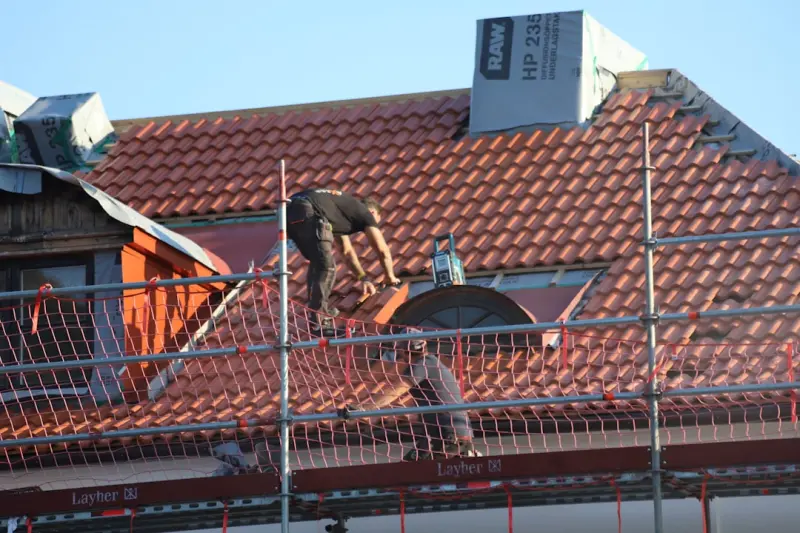
Smart Roofing: Turning the Overhead Surface into a Data‑Driven Asset
When most facility managers think about building performance, the roof is often the silent, invisible layer that only gets attention when it leaks. That mindset is changing fast. Today’s roofs are evolving from passive shields into active, intelligent platforms that drive energy savings, extend asset life, and even improve occupant health. In this deep dive, I’ll walk you through the emerging technologies, design philosophies, and operational models that are turning rooftops into the next frontier of smart building strategy.
The Rise of the “Living Roof” – Not Just Green, But Connected
Green roofs have been around long enough to be considered a staple of sustainable design, but they’re now getting a tech makeover. By embedding moisture sensors, temperature probes, and low‑power wireless nodes directly into the growing medium, a green roof can report its health in real time. Facility teams receive alerts when a section is drying out, when a plant disease threatens, or when the substrate’s weight approaches structural limits.
These data streams do more than protect the garden—they feed into broader building management systems (BMS) to optimize HVAC loads. A thriving green roof reduces the heat island effect, which in turn lowers cooling demand. When the roof’s moisture sensors indicate high humidity, the BMS can pre‑emptively adjust ventilation to prevent condensation on interior walls.
Solar‑Integrated Roofing: Beyond Photovoltaic Panels
Solar shingles and building‑integrated photovoltaics (BIPV) are no longer niche experiments. They now blend seamlessly with traditional roofing materials, offering a sleek aesthetic without the visual clutter of rack‑mounted panels. What makes them truly compelling is their integration with roof‑level energy storage and demand‑response platforms.
Imagine a roof that not only generates power but also knows exactly when to store it in on‑site batteries and when to feed it back to the grid, all while maintaining optimal temperature for the roofing membrane. This level of coordination requires a roof‑wide communication protocol that can talk to inverters, battery management systems, and the building’s energy management software.
Nanocoatings and Self‑Healing Membranes: The Future of Durability
Traditional roofing membranes degrade over time due to UV exposure, temperature cycling, and mechanical stress. Recent advances in nanotechnology have produced coatings that reflect a higher percentage of solar radiation, dramatically reducing thermal stress. Some of these nanocoatings also possess self‑healing properties: when a micro‑crack forms, embedded micro‑capsules release a sealant that fills the gap, extending the service life by years.
These innovations not only reduce the frequency of costly roof replacements but also align with the growing demand for low‑maintenance building envelopes. When combined with remote inspection drones equipped with infrared cameras, facility teams can spot a potential failure before it becomes visible to the naked eye.
Predictive Maintenance Powered by IoT
The old “inspect‑once‑a‑year” model is giving way to continuous monitoring. Small, solar‑powered IoT nodes can be installed at critical points—valleys, flashings, and seams—to record vibration, temperature, and moisture. Machine‑learning algorithms analyze these data streams to predict when a seam is likely to fail, allowing teams to schedule maintenance during planned downtimes rather than reacting to an emergency.
One practical example: a commercial office tower equipped with such sensors noticed a gradual increase in temperature at a particular flashing during summer. The predictive model flagged it as a high‑risk area for water intrusion. Maintenance crews replaced the flashing before any leak occurred, saving the building thousands in water damage and tenant disruption.
Roofing as a Service (RaaS): The Subscription Model for Overhead Protection
Just as “Waterproofing as a Service” transformed how owners think about building envelopes, Roofing as a Service is emerging as a compelling business model. Instead of a lump‑sum capital expense, owners pay a recurring fee that covers material, installation, ongoing monitoring, and periodic replacement.
This model aligns incentives: the service provider benefits from keeping the roof in peak condition, while the building owner enjoys predictable budgeting and reduced risk. The subscription often includes a suite of digital services—real‑time performance dashboards, automated warranty claims, and access to a network of certified roof technicians.
Integrating Roof Health with Whole‑Building Strategies
To truly unlock the roof’s potential, its data must be part of the building’s holistic performance strategy. Here’s how you can weave roof insights into broader initiatives:
- Energy Optimization: Use roof temperature data to fine‑tune cooling setpoints, reducing HVAC load during peak sun hours.
- Indoor Air Quality (IAQ): Pair roof moisture sensors with indoor humidity monitors to prevent mold growth—something that facility managers know well.
- Asset Management: Integrate roof inspection data with the building’s asset lifecycle software to forecast replacement timelines and budget accurately.
- Resilience Planning: Leverage real‑time weather feeds and roof load sensors to make informed decisions during extreme events, such as high‑wind storms or heavy snowfall.
Case Study: A Multi‑Tenant Office Complex Turns Its Roof into a Smart Hub
One recent project involved a 20‑story office building located in a temperate climate zone. The owners opted for a hybrid roof system: a base of reflective cool‑roof membrane, a layer of solar shingles, and a peripheral green roof strip. The roof was equipped with a network of IoT sensors feeding data into a cloud‑based BMS.
Key outcomes after 18 months:
- Energy Savings: Cooling electricity use dropped by 12% thanks to the reflective surface and on‑site solar generation.
- Extended Service Life: Predictive alerts prevented three potential flash‑point failures, averting costly water damage.
- Tenant Satisfaction: Indoor temperature stability improved, and occupants reported higher perceived comfort during summer months.
- Financial Predictability: The RaaS agreement bundled installation, monitoring, and maintenance into a single annual fee, simplifying budgeting.
Design Considerations for a Future‑Ready Roof
When planning a smart roof, keep these principles in mind:
- Modularity: Choose roofing components that can be swapped or upgraded without major demolition. Modular systems set a useful precedent for flexibility.
- Weight Management: Green roofs and solar installations add dead load. Verify structural capacity early in the design phase.
- Power Autonomy: Solar‑powered sensors eliminate the need for wiring and reduce maintenance.
- Data Security: Roof sensors often communicate over wireless protocols; ensure encryption and secure authentication to protect building data.
- Lifecycle Planning: Factor in end‑of‑life recycling for roofing materials to align with circular economy goals.
Challenges and How to Overcome Them
Upfront Cost: While the initial outlay can be higher, the ROI becomes evident through energy savings, reduced repair costs, and extended asset life. Financial models like RaaS help smooth the expense.
Skill Gaps: Installing and maintaining smart roofing systems requires a blend of traditional roofing expertise and digital fluency. Partner with vendors that offer training and certification programs.
Integration Complexity: Roof data must talk to existing BMS platforms. Opt for open‑protocol solutions (e.g., BACnet, MQTT) to avoid vendor lock‑in.
Looking Ahead: Roofs as Platforms for Urban Innovation
Beyond energy and durability, rooftops are poised to become hubs for urban services. Think of rooftop‑level micro‑grids that supply power to neighboring structures, or drone landing pads that enable last‑mile delivery in dense city cores. As cities push toward net‑zero targets, the roof will be a critical canvas for integrating renewable generation, stormwater management, and even vertical farming.
In the coming years, expect building codes to evolve, mandating at least a baseline of roof monitoring for new construction. Early adopters will gain a competitive edge, not just in operational cost savings but also in branding as forward‑thinking, resilient, and sustainable enterprises.
Getting Started: A Practical Checklist
- Assess Current Roof Condition: Conduct a thorough inspection and baseline performance audit.
- Define Objectives: Are you targeting energy savings, longevity, or new revenue streams?
- Select Technologies: Choose sensors, coatings, and solar products that align with your goals.
- Engage a Partner: Look for a provider offering integrated services, including installation, monitoring, and maintenance.
- Develop a Data Strategy: Determine how roof data will be collected, stored, and analyzed.
- Pilot and Iterate: Start with a small section of the roof, evaluate performance, and scale up.
By treating the roof as a living, data‑rich component of the building envelope, owners can shift from reactive repairs to proactive stewardship. The payoff is a more resilient, energy‑efficient, and ultimately more valuable property.

David MacKinnon is a dynamic freelance writer known for his captivating storytelling and keen insights into the world of technology. With a passion for exploring the intersection of innovation and everyday life, he crafts engaging narratives that not only inform but also inspire his readers.
Related Posts

Resilient Roofing: Smart Materials, Sensors, and Sustainable Designs
Explore cutting‑edge roofing solutions—from impact‑resistant shingles to smart sensors and gre... Read More
Why Cool Roofs Are the Unsung Heroes of Energy Efficiency
Cool roofs reflect sunlight and emit heat, lowering indoor temperatures and energy use. Learn how th... Read More
Why Your Roof Is the Secret Weapon for Boosting Home Value
A roof isn’t just protection—it’s a powerful value‑adder. Learn the materials, design tricks... Read More
Top Posts
The Hidden Benefits of Bathtub Refinishing: A Homeowner’s Deep Dive
Bathtub refinishing isn’t just a quick fix—it’s a design upgrade, a green choice, and a resale booster. Dive into the why, the how, and the hidden perks o...Read More
Concrete’s Second Act: Green, Resilient, and Ready for Tomorrow
Concrete is undergoing a quiet revolution—low‑carbon cements, recycled aggregates, 3D printing, and self‑healing technologies are reshaping its role in su...Read More

Mastering Gutters: Sustainable Strategies for Home Longevity
A veteran contractor shares practical, sustainable gutter strategies—from material choices to maintenance routines—helping you protect your home, save money...Read More

Sustainable Tiling Strategies: From Selection to Long‑Lasting Installation
Explore sustainable tiling—from material choices and substrate prep to installation hacks—offering a durable, eco‑friendly floor that enhances any home....Read More
0 Comments
Post Comment
You will need to Login or Register to comment on this post!