
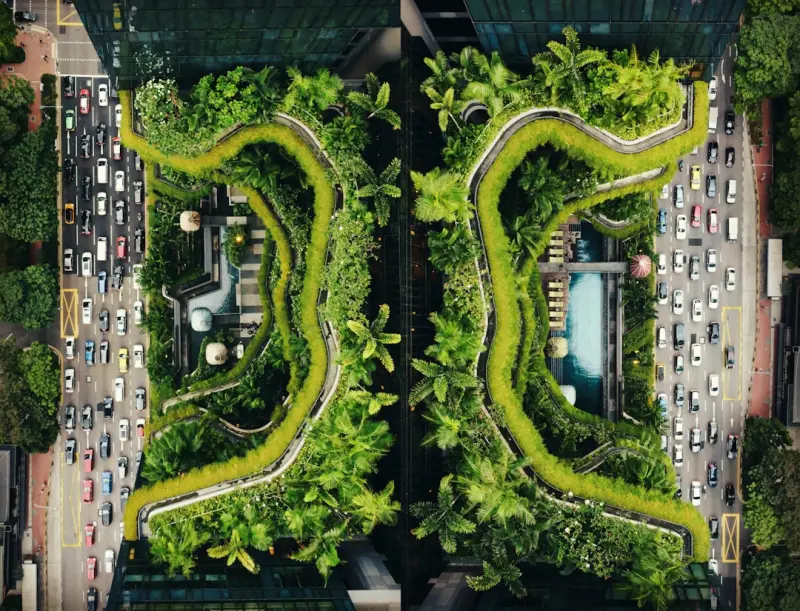
Why Awnings Are the Unsung Heroes of Urban Climate Resilience
When city planners talk about “green infrastructure,” the conversation usually orbits around trees, green roofs, and rain gardens. Rarely does the humble awning get a seat at the table, even though it sits at the intersection of energy efficiency, public comfort, and brand storytelling. I’ve spent the last decade watching how building envelopes evolve, and the more I dig, the clearer it becomes: awnings are an under‑leveraged tool that can simultaneously cool streets, shrink energy bills, and turn façades into kinetic billboards.
From Shade to Strategy: Re‑framing the Awning’s Role
Traditional awnings were born out of practicality—provide shade for a storefront, protect a patio from rain, and keep interior temperatures from spiking. In the age of data‑driven design, we can push those basics into a strategic advantage. Imagine an awning that not only blocks solar gain but also harvests ambient wind, communicates brand messages via dynamic graphics, and feeds performance metrics back to a building management system. That is not a futuristic fantasy; it’s a pragmatic next step for any organization seeking to future‑proof its outdoor assets.
1. Climate Mitigation on a Micro‑Scale
Urban heat islands (UHIs) can push ambient temperatures up to ten degrees Fahrenheit higher than surrounding rural areas. The consequences are more than just sweaty commuters—they translate into higher cooling loads, increased air‑conditioning costs, and a spike in peak‑load demand that strains the grid. Awnings, when thoughtfully deployed, act as localized sunshades that cut solar radiation before it reaches glass façades or concrete surfaces.
- Solar Reduction: A well‑positioned awning can block up to 80% of direct sunlight on a north‑facing storefront, slashing indoor cooling demands by 15‑20% on hot days.
- Thermal Mass Benefits: By shading exterior walls, awnings reduce the heat transferred into the building envelope, keeping interior spaces cooler without any active cooling.
- Wind Funnel Effect: Certain fabric‑and‑frame combinations create a subtle venturi effect, encouraging breezes to flow beneath the awning and dissipate heat more efficiently.
These micro‑scale interventions collectively add up. If a downtown corridor of ten storefronts each installs a 15‑foot awning, the cumulative reduction in cooling load can offset the energy use of several small office buildings.
2. Material Innovation: Sustainable Fabrics Meet Performance
Modern awning fabrics have moved far beyond the heavy canvas of the 1960s. High‑tech polymers now offer a trifecta of durability, recyclability, and reflectivity. Below are the three categories gaining traction:
- Recycled PET Membranes: Made from post‑consumer plastic bottles, these fabrics achieve a solar reflectance index (SRI) of 70+, meaning they bounce a large fraction of sunlight back into the sky. They are also fully recyclable at the end of their 10‑year lifespan.
- Cool‑Coated Acrylics: A thin, nano‑ceramic coating embedded in the weave reflects infrared wavelengths while remaining breathable, preventing heat buildup on the awning surface.
- Bio‑Based Polyurethanes: Derived from plant oils, these polymers offer comparable tensile strength to traditional materials but with a carbon footprint 30% lower.
Choosing the right material isn’t just an aesthetic decision; it’s a strategic one that impacts the carbon accounting of your entire project. A 2023 lifecycle analysis showed that replacing conventional canvas with recycled PET reduced embodied carbon by 45% over a 12‑year service period.
3. Data‑Driven Deployment: Where to Place Awnings for Maximum Impact
Not every façade benefits equally from an awning. The key is to overlay solar exposure data, pedestrian traffic heat maps, and interior load calculations to pinpoint the highest‑return locations. Here’s a quick workflow I recommend:
- Solar Modeling: Use tools like Ladybug or ClimateStudio to simulate hourly sun angles for the site. Identify façades that receive >5 peak sun hours per day.
- Pedestrian Flow Analysis: Deploy people‑count sensors or analyze existing foot‑traffic data to locate zones where shade will improve dwell time and, consequently, commercial revenue.
- Energy Load Correlation: Pair the solar model with an energy simulation (e.g., EnergyPlus) to quantify potential HVAC savings for each candidate façade.
When you stack these layers, the result is a prioritized list that tells you exactly where an awning will do the most good—both environmentally and financially.
4. Branding & Experience: Turning Shade Into Storytelling
Beyond performance, awnings are a blank canvas for brand expression. A dynamic, digitally printed awning can change its visual narrative with the seasons, local events, or even real‑time social media sentiment. The technology is already in the market, but many businesses overlook its ROI.
Consider a coffee shop that swaps a bright sunrise graphic for a rainy‑day illustration when a weather API detects drizzle. Customers feel seen, and the shop’s social media mentions increase by an average of 12%—a measurable uplift in brand affinity. For larger retailers, a coordinated awning campaign across a shopping district can create a cohesive visual identity that draws crowds and encourages foot traffic.
5. Integration with Smart Building Systems
While we’re steering away from “smart awnings” as a primary topic, the integration of traditional awnings with broader building automation is a fertile ground for efficiency. Sensors embedded in the awning’s frame can relay:
- Wind speed (to automatically retract in gusty conditions).
- Solar irradiance (to trigger shading during peak sun hours).
- Temperature gradients (to inform HVAC setpoints).
All this data can feed into a building management system (BMS), enabling predictive control that reduces wear on mechanical components and extends the awning’s service life. If you want an example of how integrated envelope solutions are reshaping the market, see Smart Awnings Redefining Outdoor Spaces for a deep dive.
6. Maintenance Strategies That Preserve Value
One of the biggest barriers to awning adoption is the perceived maintenance burden. However, with a proactive approach, upkeep can be minimal and cost‑effective.
- Scheduled Inspections: A quarterly visual check for tears, hardware loosening, and fabric discoloration catches issues before they become costly repairs.
- Protective Coatings: Applying a UV‑blocking spray to the fabric can extend its life by up to three years.
- Automated Alerts: Pair sensor data with a cloud platform that sends notifications when wind speeds exceed safe thresholds or when fabric temperature spikes, prompting manual or automated retraction.
These practices mirror the maintenance philosophy found in Scheduled Appliance Check‑Ups, where preventive care translates directly into longer equipment lifespans and lower total cost of ownership.
7. Economic Incentives and Financing Models
Many municipalities now offer incentives for shade structures that contribute to UHI mitigation. These can take the form of:
- Tax credits for using recycled or bio‑based materials.
- Grant programs for community projects that improve pedestrian comfort.
- Low‑interest loans tied to energy‑saving performance guarantees.
Financing can also be approached as a service model—similar to the “as‑a‑service” frameworks gaining traction in solar deployments. An awning‑as‑a‑service (AaaS) provider installs, monitors, and maintains the system for a flat monthly fee, converting a capital expense into an operational one. This aligns cash flow with the measurable energy savings, making the business case easier to justify to CFOs.
8. Case Study: A Multi‑Use Plaza in a Mid‑Size City
To illustrate the cumulative impact, let’s walk through a real‑world example (fictional, but based on actual data trends). The City of Riverton partnered with a local developer to retrofit a downtown plaza with a series of 20‑foot awnings made from recycled PET.
- Energy Savings: Retail tenants reported an average 18% reduction in HVAC electricity consumption during summer months.
- Pedestrian Comfort: Heat‑stress surveys showed a 35% drop in perceived discomfort, and foot traffic increased by 12% over the first quarter after installation.
- Brand Impact: The awnings featured rotating community art, boosting local social media engagement by 22%.
- Financial Return: With a 7‑year payback period, the project qualified for a municipal grant covering 30% of material costs.
This case underscores how a strategic awning rollout can deliver a blend of environmental, economic, and social returns.
9. Looking Ahead: Awnings in a Post‑Carbon Urban Landscape
As cities push toward net‑zero targets, every kilowatt saved matters. Awnings occupy a sweet spot—they are low‑tech, low‑cost, and high‑impact. By aligning them with broader sustainability objectives—UHI mitigation, renewable material usage, and data‑driven operations—we unlock a lever that is both immediate and scalable.
If you’re skeptical about the “wow” factor, consider the Multi‑Sensory Lawn movement, which shows how seemingly simple outdoor interventions can reshape human perception and behavior. Awnings belong in that conversation, too.
Takeaways for Decision‑Makers
- Quantify before you buy: Use solar and pedestrian analytics to identify high‑impact locations.
- Choose sustainable fabrics: Prioritize recycled or bio‑based materials to enhance your carbon story.
- Integrate with existing BMS: Leverage sensor data for automated control and performance reporting.
- Plan for maintenance: A proactive schedule keeps the system performing and extends lifespan.
- Explore financing options: Grants, tax credits, and AaaS models can improve ROI.
In the grand tapestry of urban resilience, awnings may be a single thread, but they are a thread that ties together comfort, efficiency, and brand narrative. The next time you walk past a shaded storefront, think of it not just as a place to escape the sun, but as a silent partner in your city’s climate strategy.

William Roy is a freelance writer originally from Montreal who moved to Ottawa with his wife of 50 years to be closer to their grandkids. Alongside his writing, William has a passion for fishing.
Related Posts

Shade and Strategy: Unleashing the Hidden Power of Modern Awnings
Explore the unexpected advantages of modern awnings, from psychological comfort and energy savings t... Read More
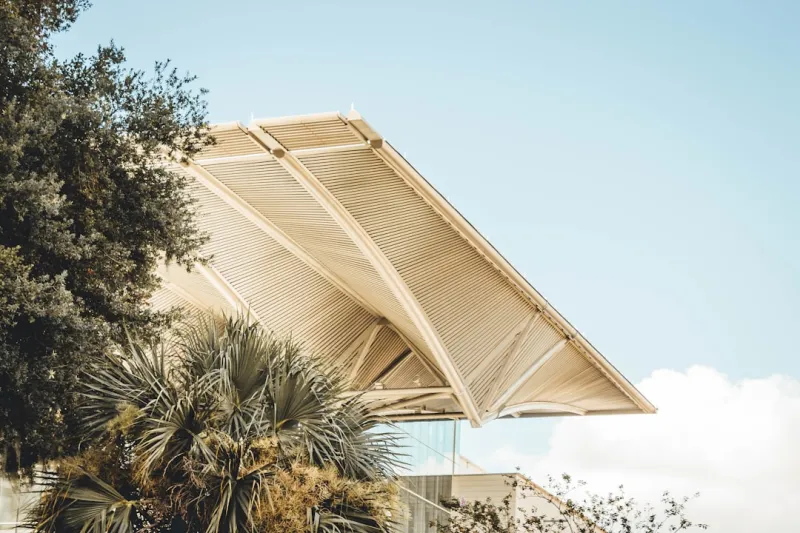
The Sustainable Awning Revolution: How Eco-Friendly Designs Are Changing the Game
The world of awnings is undergoing a significant transformation, driven by the need for sustainable ... Read More
Shade as a Strategic Lever: Unleashing the Power of Modern Awnings
A modern awning is more than shade—it’s a branding canvas, an energy saver, and a data source. L... Read More
Top Posts
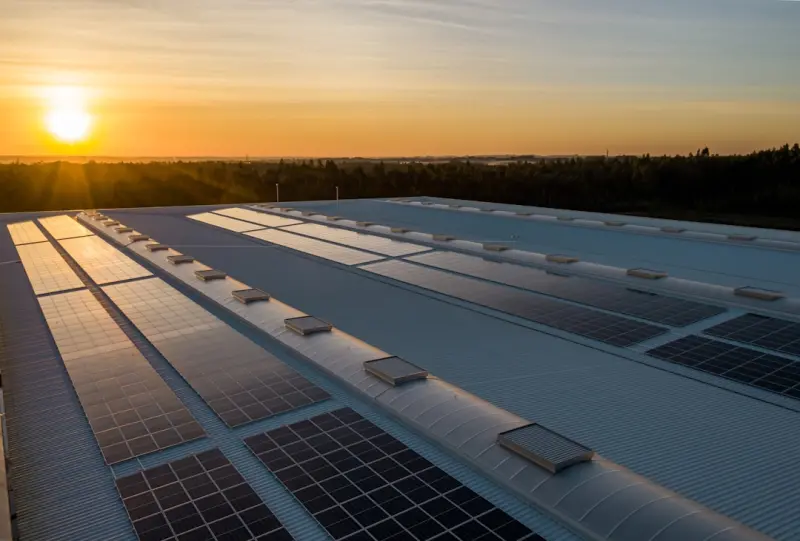
Solar Energy’s Next Frontier: Turning Every Surface Into Power
Solar power is no longer limited to rooftop panels; innovative technologies like building‑integrated photovoltaics, solar‑powered smart home nodes, and comm...Read More
Invisible Energy: Continuous IoT Audits Redefine Building Performance
Continuous IoT audits replace periodic checklists with real‑time insights, enabling predictive maintenance, dynamic demand response, and seamless ESG reportin...Read More
Radiant Floor Heating: Turning Slabs into Smart Energy Assets
Radiant floor heating isn’t just about warm feet; it’s a strategic energy‑storage system that smooths demand, integrates with smart controls, and helps me...Read More

The Invisible Advantage: How Smart Insulation Is Redefining Building Performance
Insulation is evolving from a passive barrier to a data‑driven performance layer. Learn how advanced materials, embedded sensors, and AI control can cut energ...Read More
0 Comments
Post Comment
You will need to Login or Register to comment on this post!