
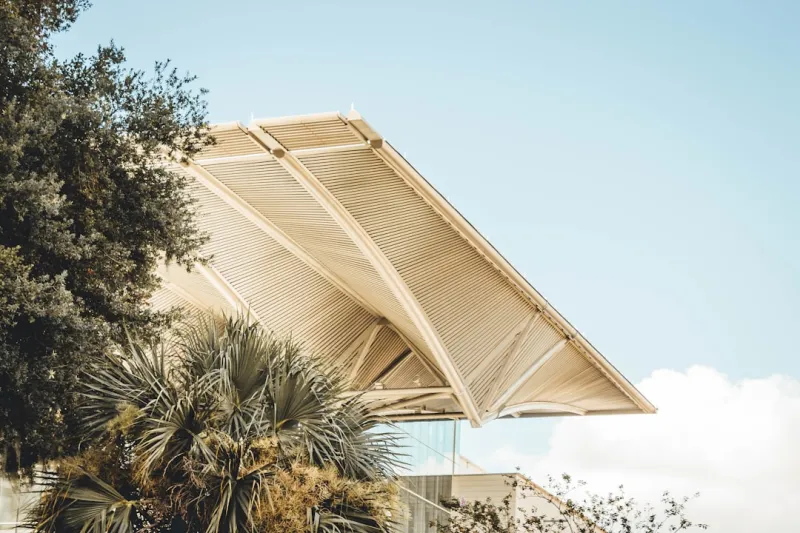
The Sustainable Awning Revolution: How Eco-Friendly Designs Are Changing the Game
As we continue to navigate the complexities of climate change and environmental sustainability, it's becoming increasingly clear that every aspect of our lives must adapt to meet the demands of a greener future. The world of awnings, in particular, is undergoing a significant transformation. No longer just a stylish addition to our homes and businesses, awnings are now being reimagined as sustainable solutions that not only provide shade and protection but also contribute to a more eco-friendly environment. In this article, I'll explore the evolution of awnings, the importance of sustainable designs, and the innovative solutions that are leading the way.
The traditional awning has long been a staple of outdoor living, providing a simple yet effective way to shield us from the elements. However, as our understanding of environmental sustainability has grown, so too has the need for awnings to be designed with eco-friendliness in mind. This shift towards sustainability is reflective of a broader trend in the construction and design industries, where sustainable solutions are becoming increasingly important. By exploring the intersection of awnings and sustainability, we can gain a deeper understanding of the role that these structures play in creating a more environmentally conscious future.
The Environmental Benefits of Sustainable Awnings
One of the primary advantages of sustainable awnings is their ability to reduce energy consumption. By providing shade and reducing the amount of direct sunlight that enters a building, awnings can significantly lower the need for air conditioning and other cooling systems. This not only reduces energy consumption but also helps to minimize the urban heat island effect, a phenomenon where built-up areas absorb and retain heat, leading to increased temperatures. Furthermore, sustainable awnings can also help to reduce stormwater runoff, a major contributor to urban pollution. By incorporating green roofs and other eco-friendly features, awnings can play a vital role in creating more sustainable urban environments.
The benefits of sustainable awnings extend far beyond their environmental advantages. They also offer a range of practical benefits, including increased durability and reduced maintenance costs. By using high-quality, eco-friendly materials, sustainable awnings can withstand the elements and provide years of reliable service. Additionally, sustainable awnings can also enhance the aesthetic appeal of a building, providing a stylish and modern design that complements the surrounding architecture.
The Evolution of Awning Design: Trends and Innovations
As the demand for sustainable awnings continues to grow, so too is the innovation in awning design. Modern awnings are no longer just simple fabric or metal structures; they are now being designed with cutting-edge technology and eco-friendly materials. From solar-powered awnings that generate electricity to retractable awnings that adjust to changing weather conditions, the possibilities for sustainable awning design are endless. Moreover, the integration of smart materials and energy-efficient systems is enabling awnings to become more efficient and effective than ever before.
The evolution of awning design is closely tied to the broader trends in sustainable construction and design. As we continue to push the boundaries of what is possible with sustainable materials and technologies, we are seeing a new generation of awnings that are not only eco-friendly but also highly functional and aesthetically pleasing. Whether it's a residential or commercial property, sustainable awnings are playing an increasingly important role in creating more environmentally conscious buildings.
The Role of Sustainable Awnings in Urban Planning
As cities continue to grow and urban populations swell, the importance of sustainable urban planning has never been more pressing. Awnings, in particular, are playing a vital role in creating more livable and sustainable cities. By providing shade, reducing stormwater runoff, and enhancing the aesthetic appeal of urban environments, sustainable awnings are helping to create more vibrant and eco-friendly public spaces. Moreover, the incorporation of green infrastructure and urban forestry initiatives is enabling cities to become more resilient and adaptable in the face of climate change.
The impact of sustainable awnings on urban planning cannot be overstated. By providing a range of environmental, practical, and aesthetic benefits, sustainable awnings are helping to create more sustainable and livable cities. Whether it's a public park, a commercial district, or a residential neighborhood, sustainable awnings are playing a vital role in shaping the urban environments of the future.
The Future of Awnings: Trends to Watch
As we look to the future, it's clear that sustainable awnings will continue to play a vital role in creating more eco-friendly environments. Some of the key trends to watch in the world of awnings include the increased use of recycled materials, energy-harvesting technologies, and smart materials that can adapt to changing environmental conditions. Moreover, the integration of building information modeling (BIM) and computational design will enable architects and designers to create more complex and sustainable awning systems that are tailored to specific environmental conditions.
The future of awnings is exciting and full of possibilities. As we continue to push the boundaries of what is possible with sustainable materials and technologies, we are seeing a new generation of awnings that are not only eco-friendly but also highly functional and aesthetically pleasing. Whether it's a residential or commercial property, sustainable awnings are playing an increasingly important role in creating more environmentally conscious buildings.
Conclusion
In conclusion, the world of awnings is undergoing a significant transformation, driven by the need for sustainable and eco-friendly solutions. As we've explored in this article, sustainable awnings offer a range of environmental, practical, and aesthetic benefits that make them an attractive option for homeowners, businesses, and urban planners. By embracing sustainable awning designs and technologies, we can create more livable, sustainable, and environmentally conscious environments that benefit both people and the planet.
The sustainable awning revolution is just beginning, and it's an exciting time to be a part of it. As we continue to innovate and push the boundaries of what is possible with sustainable materials and technologies, we are seeing a new generation of awnings that are not only eco-friendly but also highly functional and aesthetically pleasing. Whether it's a residential or commercial property, sustainable awnings are playing an increasingly important role in creating more environmentally conscious buildings.

David MacKinnon is a dynamic freelance writer known for his captivating storytelling and keen insights into the world of technology. With a passion for exploring the intersection of innovation and everyday life, he crafts engaging narratives that not only inform but also inspire his readers.
Related Posts
Awning Innovation: Turning Shade into Strategy for Modern Businesses
A modern awning does more than block the sun; it becomes a branding tool, energy saver, and data sou... Read More
How Awnings Shape Customer Mood and Bottom Line
A well‑designed awning does more than shade a storefront—it influences shopper psychology, reinf... Read More
Shade‑Smart Awnings: Cutting Energy Bills and Boosting Home Sustainability
Learn how to turn a simple awning into a powerful energy‑saving tool, from material choices to sma... Read More
Top Posts

The Hidden Value of Scheduled Appliance Check‑Ups
Regular appliance check‑ups prevent costly breakdowns, improve safety, and extend device lifespan. Learn a simple 12‑month routine and how to choose the rig...Read More
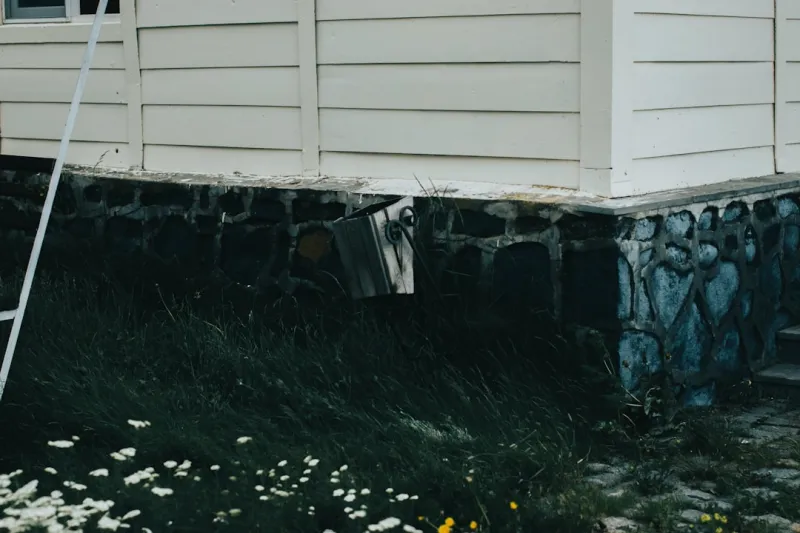
How to Spot and Fix Foundation Issues Before They Cost a Fortune
Discover practical signs of foundation trouble, sustainable repair options, and preventive steps to safeguard your home’s stability and value....Read More
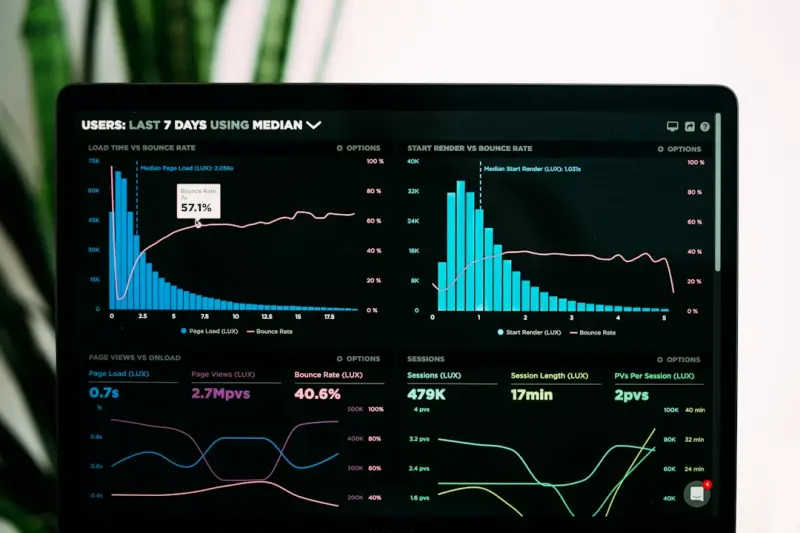
Permit Playbook: Leveraging Real‑Time Data to Accelerate Construction Approvals
Construction permits can be a hidden bottleneck, but with a data‑centric approach, integrated design tools, and strong relationships with officials, contracto...Read More
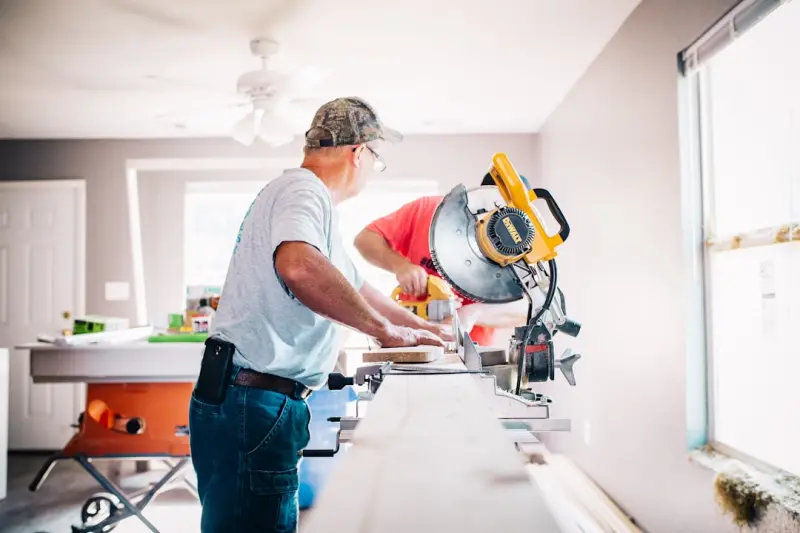
Green Handyman Practices: Sustainable Fixes for Modern Homes
A handyman’s role is evolving beyond quick fixes to include sustainable practices that reduce waste, use reclaimed materials, and leverage smart tools—benef...Read More
0 Comments
Post Comment
You will need to Login or Register to comment on this post!