

When I first pulled a garden fork into the soft, dew‑kissed earth behind my childhood home, I wasn’t just planting grass—I was laying the groundwork for a sensory sanctuary. Over the years, my relationship with the lawn has evolved from “keep it green” to “let the lawn become a living, breathing extension of my well‑being.” In this post, I’ll share how you can transform a conventional yard into a multi‑sensory masterpiece that feeds the eyes, ears, nose, touch, and even the gut.
Why a Sensory Lawn?
Traditional lawn care often feels like a checklist: mow, fertilize, water, repeat. While that regimen keeps the turf looking pristine, it neglects the deeper, holistic benefits a thoughtfully designed lawn can offer. A sensory lawn invites you to:
- See a tapestry of textures and colors that shift with the seasons.
- Hear the rustle of grasses and the gentle hum of pollinators.
- Smell aromatic herbs and flowering clovers that mask the harsh chemicals of conventional fertilizers.
- Touch varied ground surfaces—from cool, dense fescue to soft, feathery sedge.
- Taste (if you’re brave enough) the occasional bite of edible greens that sprout between the blades.
Each sense engages a different part of the brain, fostering mindfulness, reducing stress, and even boosting creativity. Think of your lawn as an outdoor meditation cushion—one that you can walk across, lounge on, and explore with curiosity.
Choosing the Right Plant Palette
Most lawns are dominated by a single species of turfgrass, but a sensory lawn thrives on diversity. Here’s a starter list that balances visual appeal, fragrance, and texture:
- Fine fescue – Soft, shade‑tolerant, perfect for barefoot strolls.
- Native prairie grasses – Tall, wispy stems that sway dramatically in the wind, creating a natural soundtrack.
- Clover (Trifolium repens) – Adds a sweet scent when crushed, and its yellow blooms attract bees.
- Lavender (Lavandula angustifolia) – Releases a calming aroma when the sun warms its leaves.
- Chamomile (Matricaria chamomilla) – Tiny white flowers that turn the lawn into a gentle nightlight for pollinators.
- Edible greens (arugula, kale) – Interspersed in low‑traffic zones, they provide a fresh snack and a burst of color.
Mixing these species creates a patchwork that looks alive year‑round. For a seamless transition, plant in clusters of three to five varieties, allowing each to support the others in terms of moisture retention and soil health.
Soil: The Unsung Hero
A thriving sensory lawn starts beneath the surface. Instead of relying on synthetic fertilizers, invest in building healthy soil. Begin with a simple soil test—your local cooperative extension can help you interpret the results. Aim for a pH between 6.0 and 7.0, and focus on increasing organic matter.
Incorporate compost, leaf mold, and even recycled wood chips from nearby construction projects. These amendments improve water retention, reduce compaction, and provide a slow‑release nutrient source that feeds both grass and the beneficial microbes that make a lawn resilient.
Water Management for a Whisper‑Quiet Lawn
One of the most rewarding aspects of a sensory lawn is the gentle, rhythmic sound of water moving through the soil and evaporating from the blades. To achieve this, adopt a “deep and infrequent” watering schedule. Early morning irrigation encourages roots to grow deeper, while minimizing evaporation losses.
Consider installing a smart irrigation controller that references local weather forecasts. While weather‑smart home envelopes are often discussed in the context of building skins, the same principles apply to your yard: let the environment guide your watering, not the calendar.
Soundscapes: Let the Lawn Sing
Grass isn’t just a visual element; it’s an acoustic one. Tall grasses, especially native prairie species, sway and rustle with the slightest breeze, creating a natural white noise that drowns out traffic and neighborhood chatter. Add a few strategically placed wind chimes made from reclaimed metal or bamboo for an extra melodic layer.
For an immersive experience, plant a border of ornamental grasses like Panicum virgatum or Miscanthus sinensis. Their feathery plumes amplify wind sounds, turning a simple gust into a soothing symphony.
Fragrance: A Breath of Fresh Air
Fragrance is perhaps the most immediate way a lawn can influence mood. While many homeowners associate scent with flowering beds, you can weave aroma directly into the turf. Here are a few low‑maintenance, aromatic options:
- Sweet Alyssum – Tiny white flowers that release a honey‑like scent, especially in the evening.
- Thyme – Drought‑tolerant and aromatic, it releases a subtle herbaceous note when trodden.
- Rosemary – Its woody, piney fragrance is both invigorating and insect‑repelling.
Mix these into the lawn’s lower‑traffic zones so you can pause, inhale, and feel an instant mood lift. The scent of rosemary, for instance, has been linked in studies to improved concentration—a handy perk for those who work from home.
Touch: From Cool Greens to Warm Stones
Walking barefoot on a well‑maintained lawn is a grounding experience, but you can expand the tactile palette by integrating other textures. Lay a pathway of smooth river stones or reclaimed brick pavers that lead through the grass. In summer, the stones retain heat, offering a pleasant contrast to cool blades, while in winter they remain relatively warm, encouraging year‑round use.
Another tactile delight is a low‑lying herb garden of mint and lemongrass. When you brush against them, the leaves release a gentle, refreshing coolness—perfect after a hot afternoon.
Edible Elements: A Tasty Twist
Don’t shy away from incorporating edible plants into the lawn. Interspersed between the grasses, you can sow a thin row of microgreens or radish. These fast‑growing greens add visual interest and provide a quick snack for the whole family.
For a more structured approach, create a “lawn salad” zone—a dedicated 10‑by‑10‑foot patch where kale, spinach, and arugula thrive alongside clover. Harvesting these leaves encourages you to step onto the lawn more often, deepening your connection with the space.
Seasonal Adaptation: Let the Lawn Evolve
A sensory lawn should never feel static. Embrace the changing seasons by rotating plant selections and adjusting maintenance routines:
- Spring: Focus on soil aeration and sowing fast‑growing clover to establish nitrogen fixation early.
- Summer: Increase watering depth, prune tall grasses, and introduce drought‑tolerant herbs.
- Fall: Overseed with cool‑season grasses, add a blanket of shredded leaves for mulch, and plant autumn‑blooming asters for color.
- Winter: Let hardy grasses go dormant, allowing snow to act as an insulating blanket. Use the quiet months to plan next year’s sensory additions.
By aligning your lawn’s lifecycle with nature’s rhythms, you’ll reduce inputs and enhance resilience—an approach that dovetails nicely with the principles of predictive property maintenance, where data informs proactive care.
Maintenance: Minimalist but Mindful
The goal isn’t to eliminate maintenance but to make it purposeful. Adopt these mindful habits:
- Monthly Walk‑Throughs – Walk barefoot, listening, smelling, and feeling. Note any dead patches or invasive weeds.
- Quarterly Soil Refresh – Top‑dress with a thin layer of compost, encouraging microbial activity.
- Bi‑annual Aeration – Use a plug aerator to improve root penetration and water infiltration.
- Annual Review – Assess which sensory elements resonated most and plan new additions for the upcoming year.
Each task becomes an opportunity to reconnect with the space rather than a chore to check off a list.
Bringing It All Together: A Sample Design Blueprint
Below is a simple layout you can adapt to a 40‑by‑60‑foot yard. Feel free to scale up or down based on your property.
|---------------------------|
| 1. Entry Path (stone)     |
|---------------------------|
| 2. Sensory Zone A:        |
|    - Fine fescue base     |
|    - Lavender border      |
|    - Tall grasses (Panicum)|
|---------------------------|
| 3. Edible Lawn Patch      |
|    - Clover + kale mix    |
|    - Microgreens strip   |
|---------------------------|
| 4. Relaxation Corner:     |
|    - Soft sedge area      |
|    - Wind chimes          |
|    - Low‑lying thyme      |
|---------------------------|
| 5. Border Walk (herbs)    |
|    - Rosemary, mint      |
|---------------------------|
| 6. Exit Path (reclaimed wood)|
|---------------------------|
Each zone serves a distinct sensory purpose while contributing to the overall health of the lawn. The layout also encourages movement, ensuring you engage multiple senses throughout the day.
Final Thoughts: Your Lawn as a Living Wellness Tool
When you treat your lawn as a multi‑sensory environment, you unlock benefits that go far beyond curb appeal. You’ll notice better focus during work‑from‑home days, deeper relaxation during evening unwinds, and a stronger sense of stewardship toward the planet. Most importantly, you’ll rediscover the simple joy of stepping onto grass and feeling, hearing, and smelling the world in its most natural state.
So the next time you reach for the mower, pause and ask yourself: “Am I trimming a carpet, or am I curating a sensory experience?” The answer will shape not only the health of your lawn but the health of you.

When it comes to the world of blogging and writing, Rose DesRochers is a name that stands out. Her passion for creating quality content and connecting with her audience has made her a trusted voice in the industry. Aside from her skills as a writer and blogger, Rose is also known for her compassionate nature.
Related Posts

Cultivating a High‑Impact Lawn: Science, Tech, and Business Benefits
A modern lawn is more than just grass—it’s a data‑rich, eco‑friendly platform that boosts pr... Read More

The Importance of Sustainable Lawn Care Practices
Sustainable lawn care practices are essential for promoting a healthy and resilient lawn while prote... Read More

The Importance of Sustainable Lawn Care Practices
As homeowners, we often overlook the importance of sustainable lawn care practices. Learn how to cre... Read More
Top Posts

Kinetic Facades: Dynamic Architecture for Climate Adaptation and User Engagement
Kinetic façades turn static building skins into responsive systems that adapt to sunlight, wind, and occupancy, delivering energy savings, occupant comfort, an...Read More
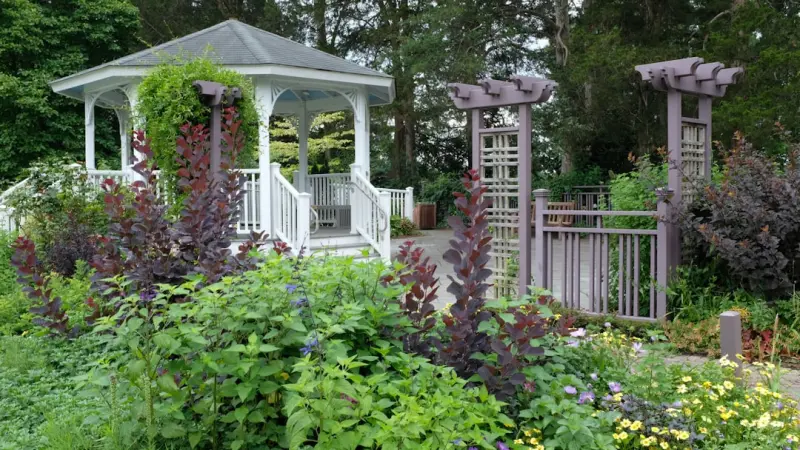
Transform Your Gazebo into a Year‑Round Wellness Retreat
Turn your garden gazebo into a cozy, all‑season sanctuary. Learn design tricks, modular additions, and sustainable upgrades that make outdoor living comfortab...Read More

Mastering Modern Drywall: From Sustainable Boards to Acoustic Perfection
Learn how to choose eco‑friendly drywall, integrate acoustic solutions, and future‑proof walls with smart wiring—all from a seasoned pro’s perspective....Read More

Why Intelligent Gutters Are the Unsung Heroes of Building Performance
This post reveals how smart gutter technology transforms ordinary rainwater channels into proactive building assets, delivering cost savings, risk reduction, an...Read More
0 Comments
Post Comment
You will need to Login or Register to comment on this post!