

Why Awnings Deserve a Seat at the Design Table
When most homeowners think about upgrading their curb appeal, the first images that spring to mind are fresh paint, sleek doors, or a manicured lawn, yet the humble awning often sits in the shadows of those grand gestures. What many don’t realize is that a well‑chosen awning can act as a silent ambassador, announcing the personality of a home before a single footstep crosses the threshold. In my years of swapping tools, consulting on remodels, and watching neighborhoods evolve, I’ve seen a simple fabric canopy transform a drab façade into an inviting handshake that welcomes visitors and sets the tone for what lies inside.
The Psychology of Shade: How Awnings Influence Mood
Shade isn’t just a practical response to the sun; it’s a subtle cue that our brains interpret as comfort, safety, and even status, triggering a cascade of dopamine that makes us linger longer on a porch or patio. Researchers have shown that people who sit under a cool, filtered canopy report lower stress levels than those exposed to direct sunlight, a fact that savvy designers can leverage to create outdoor sanctuaries without the expense of a full‑scale pergola. By selecting colors and textures that resonate with the surrounding architecture, an awning can become a visual lullaby, coaxing passersby to pause, breathe, and perhaps imagine themselves inside.
Energy Savings That Pay for Themselves
Beyond the intangible benefits, awnings deliver concrete reductions in cooling costs, often shaving 10‑15 % off a home’s air‑conditioning bill during the hottest months. The principle is simple: a reflective or insulated canopy blocks solar gain before it reaches windows and walls, allowing indoor temperatures to stay comfortably lower without the need for cranking up the thermostat. Modern motorized models even sync with smart home systems to retract at night, preserving nighttime cooling while deploying at sunrise, turning a seasonal accessory into a year‑round energy ally. For households wrestling with rising utility rates, the return on investment can be realized in just a handful of seasons.
Awnings as Brand Ambassadors for Small Businesses
For a boutique coffee shop or a neighborhood boutique, an awning does more than provide shade—it becomes a billboard that moves with the wind, catching eyes without the clutter of printed signs. By customizing the fabric with logo embossing, signature hues, or even a subtle pattern that echoes the brand’s aesthetic, owners can reinforce brand recognition every time a customer steps onto the sidewalk. The tactile quality of a high‑grade awning also conveys a sense of craftsmanship, suggesting that the business behind it cares about details, durability, and the comfort of its patrons. In a market saturated with static signage, a dynamic awning can be the quiet differentiator that nudges a casual passerby into a loyal regular.
Material Innovation: From Classic Canvas to High‑Tech Fabrics
The evolution of awning materials mirrors the broader shift in construction toward sustainability and performance, moving beyond the traditional canvas that once required yearly re‑tensioning and heavy maintenance. Today’s market offers UV‑inhibiting acrylics, breathable polyester blends, and even solar‑integrated membranes that generate a trickle of electricity while shading your deck. These fabrics not only resist fading and mildew but also maintain structural integrity under wind loads that would have shredded older models. By investing in a premium material, you future‑proof your outdoor space, ensuring the awning remains a functional and attractive element for decades rather than a seasonal afterthought.
Debunking Maintenance Myths: What Really Keeps an Awning Healthy
One persistent myth is that awnings demand constant, expensive upkeep; in reality, a few simple habits can keep most systems humming for years. Regularly brushing off dust, clearing leaves from the track, and performing a quick visual inspection for loose hardware are often enough to prevent the majority of wear‑and‑tear issues. Lubricating the motor and checking the tension of the fabric every spring can stave off premature failure, while a seasonal sealant on the frame guards against rust in coastal climates. By treating the awning like any other outdoor fixture—clean, inspect, and lubricate—you avoid costly service calls and extend the lifespan well beyond the manufacturer’s warranty.
Seamless Integration with Outdoor Living Spaces
When I first helped a client transform their back patio into a gathering hub, the missing piece wasn’t a new grill or extra seating—it was shade that could be adjusted to the sun’s path, allowing the space to stay usable from sunrise coffee to sunset cocktails. By pairing an awning with a strategically placed pergola, you create layers of shelter that can be opened or closed depending on the weather, a concept explored in depth in Creating a Year‑Round Outdoor Living Room. The result is a versatile platform that encourages spontaneous get‑togethers, supports evening dining, and protects delicate furniture from UV damage, all while maintaining an open‑air feel that feels both modern and timeless.
Designing for Climate Variability Without Over‑Engineering
Living in regions where weather swings between scorching heat and sudden storms demands an awning that can adapt without becoming a structural liability. Selecting a wind‑rated frame and a fabric with water‑repellent treatment ensures resilience against gusts and rain, while a retractable mechanism allows the canopy to be stowed before a tempest arrives. For those interested in the broader context of outdoor resilience, the strategies discussed in How to Build a Climate‑Resilient Landscape provide valuable insights on integrating shade structures with planting schemes that further mitigate temperature extremes and erosion.
DIY vs. Professional Installation: Weighing the Real Costs
While the DIY spirit is commendable, attempting to install a motorized awning without the proper tools and knowledge can lead to misaligned tracks, unsafe mounting, and voided warranties that end up costing far more than a professional service. A qualified installer brings expertise in load calculations, proper anchoring into structural members, and seamless integration with existing electrical systems, ensuring the awning operates smoothly for years. Conversely, a well‑executed DIY project can be rewarding and economical, provided you follow manufacturer guidelines, use the correct hardware, and allocate enough time for careful alignment. Ultimately, the decision hinges on your confidence level, the complexity of the chosen system, and the value you place on peace of mind.
Looking Ahead: Awnings as Part of a Holistic Outdoor Strategy
In an age where outdoor spaces double as extensions of our work, play, and wellness routines, an awning should be viewed as a keystone element rather than an afterthought. By blending thoughtful design, material science, and strategic placement, you create a multifunctional platform that supports energy efficiency, brand storytelling, and personal comfort in equal measure. As you plan your next renovation or upgrade, consider asking yourself not just “Do I need shade?” but “How can my awning elevate the entire experience of my exterior environment?” The answers will shape a space that feels both inviting and intelligently designed, a true testament to the power of overlooked details.

Paul Gray is a dynamic blogger based in Brampton, where he shares his life with his amazing wife, Sarah. Known for his engaging writing style and relatable insights, Paul has carved out a niche in the blogging world that resonates with readers from all walks of life. When he's not crafting captivating posts, you can find him savoring a cold beer or indulging in the latest blockbuster movie. With a friendly demeanor and a passion for storytelling, Paul brings a unique perspective to his work, making him not just a blogger, but a voice for those who appreciate the simple joys of life.
Related Posts
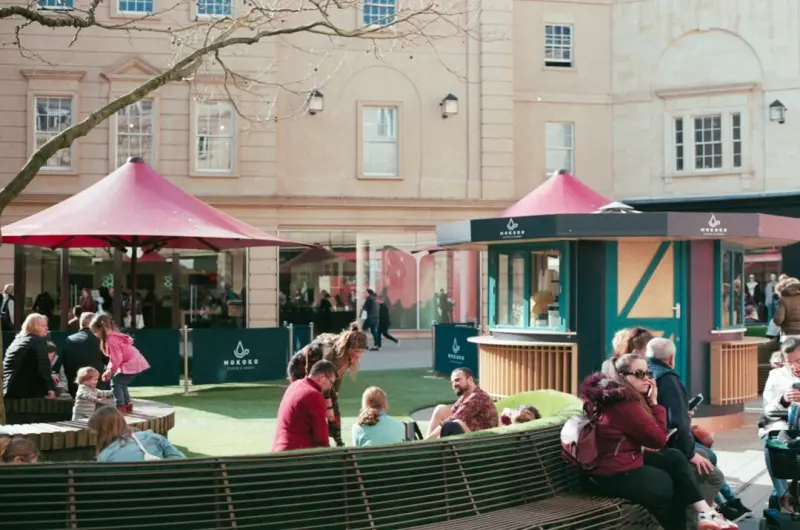
Awnings as Strategic Assets: Redefining Outdoor Workspaces
A fresh look at awnings reveals their potential to transform outdoor spaces into productive, brandâ€... Read More
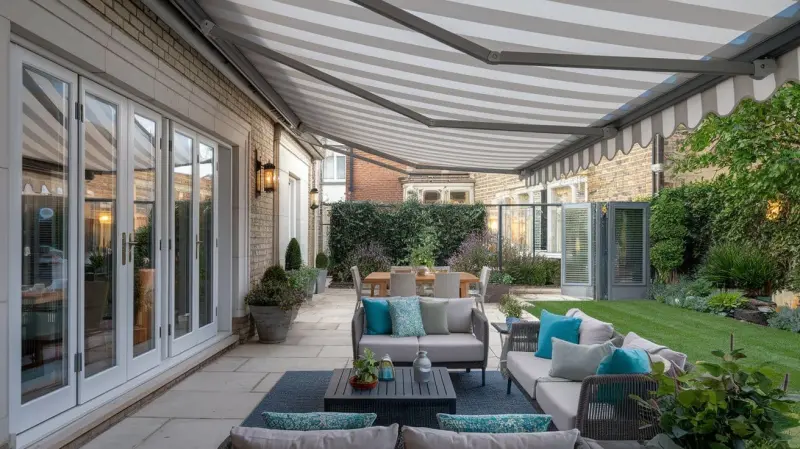
Smart Sustainable Awnings for Outdoor Living
Explore the evolution of awnings into smart, sustainable outdoor skins that generate energy, adapt t... Read More

Breathing New Life into Your Outdoor Space: The Transformative Power of Awnings
Awnings can transform your outdoor space into a haven of comfort and style. Learn about the benefits... Read More
Top Posts
Why Insulated Garage Doors Are the Unsung Heroes of Energy Efficiency
Insulated garage doors act as a thermal barrier, reducing energy loss, enhancing security, and boosting curb appeal. Learn how the right door can save money, im...Read More
Beyond the Seal: Smart Waterproofing for Resilient Buildings
Waterproofing is evolving from a passive barrier into an active, data‑driven system. Learn how sensors, self‑healing materials, and energy‑harvesting tech...Read More

Renovation Checklist: A Practical Playbook for Stress‑Free Home Transformations
Discover a comprehensive renovation checklist that guides you from vision to final walk‑through, including budgeting tips, permit strategies, material selecti...Read More
The Rise of Sustainable General Contracting: A New Era for Builders and Homeowners
Sustainable general contracting is on the rise, driven by growing concerns about climate change, energy efficiency, and environmental sustainability. Learn how ...Read More
0 Comments
Post Comment
You will need to Login or Register to comment on this post!