
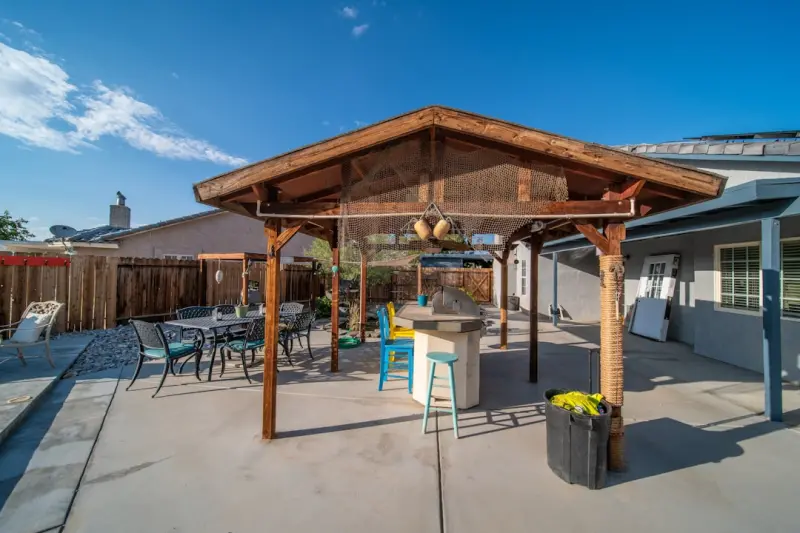
Why a Backyard Shed or Gazebo Deserves a Spot on Your Vision Board
When the world feels a little too fast, I often find myself gravitating toward the quiet corners of my own property. A modest shed tucked behind the garden, or a breezy gazebo perched under a canopy of trees, becomes more than just a structure—it turns into a personal sanctuary, a workshop, a gathering place, and sometimes even a quiet office. In this post I’m sharing the mindset that transforms these humble outbuildings from “just another building” into an extension of who you are and what you love.
1. Re‑imagining Purpose: From Storage to Storytelling
Most people start a shed because they need somewhere to stash tools or lawn equipment. I began with the same practical need, but I quickly realized that the space could also host a hobby, a small library, or a meditation nook. The key is to ask yourself:
- What activity makes my heart beat a little faster?
- Which part of my day could benefit from a change of scenery?
- How can I design the interior to reflect that purpose?
Once you answer these questions, the shed or gazebo stops feeling like a storage unit and starts feeling like a canvas.
2. Material Choices That Echo Your Values
Choosing the right material goes beyond durability; it speaks to your relationship with the environment. Reclaimed timber, for instance, not only brings character but also reduces waste. I recently explored a project where the walls were constructed from salvaged barn wood, each board telling its own story. If you’re curious about turning discarded material into a centerpiece, check out upcycled wood projects for inspiration.
For those who love a sleek, low‑maintenance look, metal siding with a powder‑coat finish can resist rust while providing a modern aesthetic. And if you’re drawn to the timeless feel of stone, a stone veneer can add a tactile element that ages beautifully.
3. Designing for Flexibility
One of the most rewarding aspects of a shed or gazebo is its ability to evolve with you. Here are three adaptable design ideas:
- Modular shelving: Install track‑mounted shelves that can be repositioned as your inventory changes.
- Fold‑away furniture: Choose pieces that can be stored against the wall when not in use, freeing up floor space for yoga or crafts.
- Multi‑zone lighting: Use adjustable LED strips or pendant lights to shift the mood from bright worklight to soft evening glow.
When you design for change, you avoid the dreaded “outgrown the space” feeling.
4. The Healing Power of Light and Air
Gazebos, with their open‑air design, naturally invite daylight and breezes. Positioning a gazebo near a south‑facing wall maximizes sun exposure in the colder months, while a north‑facing orientation offers cool shade during hot days. I love adding a simple lattice roof that filters light, creating dappled patterns that calm the mind.
If you prefer an enclosed shed, consider adding skylights or clerestory windows. Natural light reduces reliance on artificial fixtures and can improve mood—something I’ve personally experienced during long writing sessions.
5. Infusing Technology Without Overcomplicating
While the charm of a shed or gazebo lies in its simplicity, a touch of modern convenience can enhance usability. A discreetly installed solar panel can power LED lighting, a small charger, or even a low‑power fan. For those who enjoy a bit of connectivity, a weather‑proof Wi‑Fi extender ensures you stay online without sacrificing the outdoor feel.
To dive deeper into the possibilities of integrating thoughtful tech, you might explore traditional joinery techniques that blend craftsmanship with contemporary needs.
6. Creating a Community Hub
When the space is inviting, neighbors and friends will want to use it too. I’ve hosted weekend pottery circles in my gazebo, and my sister’s kids love a tiny reading nook in the back of my shed. By opening the door—literally—you foster a sense of belonging that extends beyond your property.
Think about adding a communal board where people can leave notes, share recipes, or post upcoming events. A simple chalkboard or magnetic board can become the heartbeat of the space.
7. Sustainable Practices for Long‑Term Joy
Building an outbuilding is an opportunity to embed sustainability from the ground up:
- Rainwater harvesting: Install a gutter system that channels water into a barrel for garden irrigation.
- Passive ventilation: Use operable windows or vents to regulate temperature without electricity.
- Low‑impact foundations: Consider a pier or deck system that minimizes soil disturbance.
These choices not only reduce your ecological footprint but also deepen the connection you feel to the space.
8. Personal Touches That Make It Yours
Finally, personalize the interior and exterior to reflect your personality:
- Hang a gallery of favorite photos or artwork on the walls.
- Incorporate a small herb garden in a corner, letting fresh scents mingle with the outdoors.
- Choose a color palette that resonates—soft neutrals for calm, bold hues for creative energy.
These details turn a functional structure into a place that feels truly yours.
9. Step‑by‑Step Blueprint to Get Started
Ready to bring your vision to life? Here’s a practical roadmap:
- Define purpose: Write down 3–5 activities you want the space to support.
- Set a budget: Include materials, tools, and a modest contingency.
- Choose location: Consider sunlight, wind, and proximity to utilities.
- Select materials: Prioritize durability, aesthetics, and sustainability.
- Draft a layout: Sketch floor plans, noting where doors, windows, and shelves will go.
- Gather tools: Basic carpentry tools are enough—see traditional joinery techniques for low‑tech options.
- Build foundation: Follow local codes; a simple gravel pad often suffices.
- Construct walls and roof: Work in stages, checking for level and plumb.
- Finish interiors: Paint, install lighting, and add storage solutions.
- Personalize: Add décor, tech, and plants to make it inviting.
Take it one step at a time, and remember that imperfection can add charm.
10. The Long‑Term Benefits You Might Not Expect
Beyond the obvious joy of having a dedicated space, there are subtle advantages that reveal themselves over months and years:
- Increased focus: A distinct environment signals to the brain that it’s time for a specific activity, boosting productivity.
- Reduced clutter at home: Items have a designated spot, freeing up living spaces.
- Improved mental health: A quiet, personal retreat can lower stress and improve mood.
- Enhanced property value: Thoughtfully designed outbuildings add curb appeal and functional square footage.
These outcomes reinforce why investing time and care into a shed or gazebo pays dividends far beyond the initial build.
Conclusion: Your Backyard, Your Canvas
Whether you envision a quiet writing retreat, a bustling workshop, or a communal gathering spot, a shed or gazebo offers a flexible, affordable platform for creativity, wellness, and connection. By choosing sustainable materials, integrating modest technology, and allowing the space to evolve, you create more than an outbuilding—you craft a living, breathing part of your home that grows with you.
If you’re ready to start, grab a sketchpad, set a modest budget, and let the process unfold. The most rewarding projects often begin with a simple, honest desire for a place that feels entirely yours.

Kelly Reynolds is a dynamic freelance writer hailing from the picturesque landscapes of Alberta. A master of the written word, she juggles her passion for storytelling with the exhilarating chaos of being a mother to five spirited children. With an impressive portfolio that spans various genres, Kelly captivates readers through her engaging blog posts and thought-provoking articles.
Related Posts
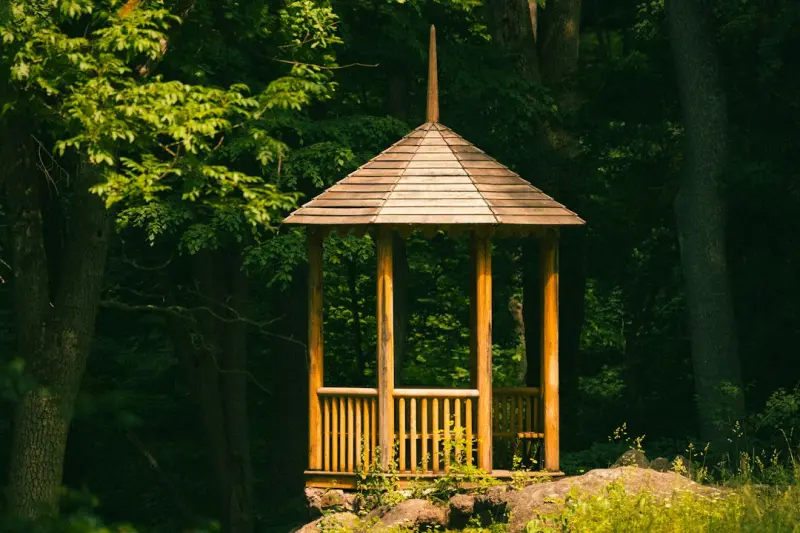
Backyard Powerhouses: How Sheds & Gazebos Reinvent Corporate Flexibility
Sheds and gazebos are evolving from simple storage or leisure structures into strategic micro‑offi... Read More
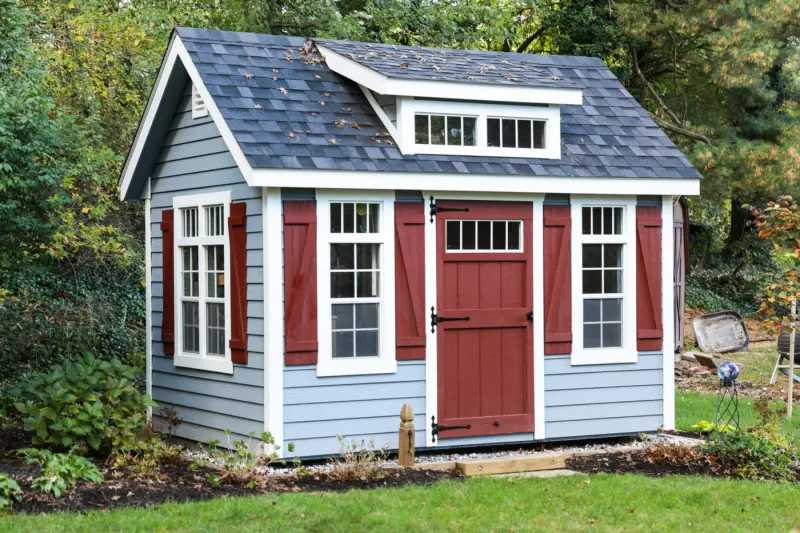
From Storage Shed to Creative Studio: A Seasonal Transformation Guide
Learn to turn a modest garden shed into a versatile, eco‑friendly studio. From layout and lighting... Read More
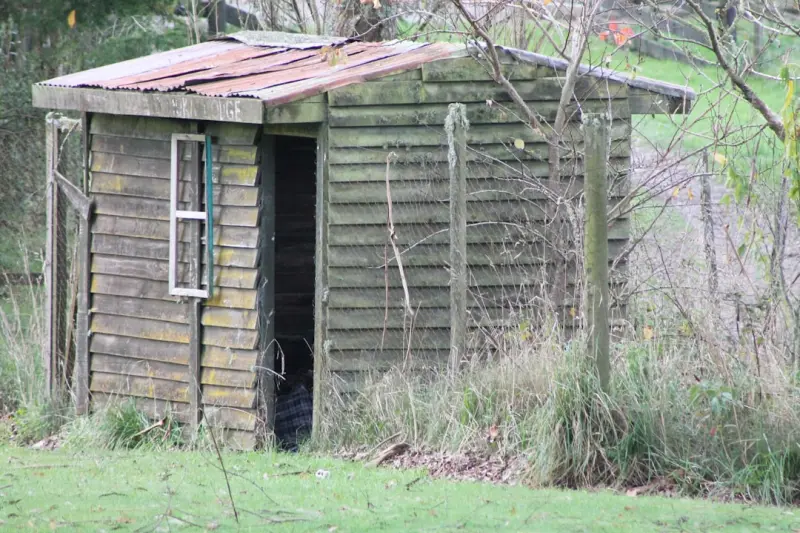
Unlocking the Hidden Potential of Sheds & Gazebos: A Hands‑On Guide
A practical, hands‑on guide to choosing, building, and maintaining versatile sheds and gazebos tha... Read More
Top Posts

Nature‑Inspired Window Treatments: Elevating Light, Comfort, and Sustainability
Explore fresh strategies for window treatments that blend nature, technology, and sustainability, boosting occupant wellbeing while reducing energy use....Read More

Smart Surfaces: Merging Tech and Design in Modern Countertops
Discover the rise of smart countertops—materials that blend durability, sustainability, and embedded tech—offering a seamless, future‑ready kitchen experi...Read More

The Hidden Value of Scheduled Appliance Check‑Ups
Regular appliance check‑ups prevent costly breakdowns, improve safety, and extend device lifespan. Learn a simple 12‑month routine and how to choose the rig...Read More

Designing a Sustainable Smart Sanctuary: Trends That Transform Your Home
Explore how eco‑friendly materials, smart window treatments, and multifunctional furniture combine to create a sustainable, tech‑forward sanctuary in any ho...Read More
0 Comments
Post Comment
You will need to Login or Register to comment on this post!