
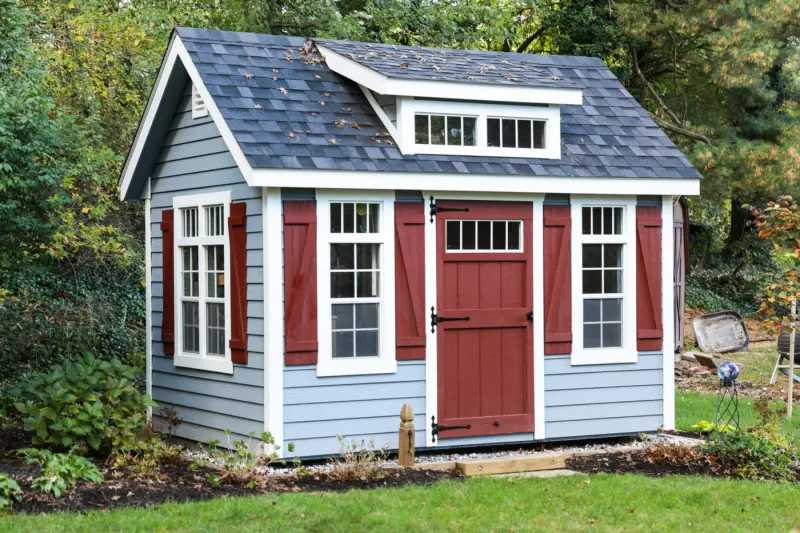
Why a Simple Shed Can Become Your Year‑Round Creative Sanctuary
When I first stared at the weathered wooden shed at the edge of my garden, I saw more than a storage box for rakes and holiday lights—I saw a blank canvas begging for light, inspiration, and purpose. Transforming a modest outbuilding into a personal studio isn’t about luxury; it’s about reclaiming a piece of the property that can breathe life into a hobby, a side‑business, or a quiet place to write without the household buzz. The intimacy of four walls that are yours alone, coupled with the gentle rustle of leaves and distant birdsong, creates a sensory backdrop that fuels imagination in ways a home office rarely can. Moreover, the cost of repurposing an existing structure is a fraction of building a new annex, allowing you to allocate budget toward high‑quality tools, sustainable finishes, or that perfect vintage easel you’ve been eyeing. As a longtime advocate for making the most of every square foot, I’ve learned that a shed’s modest footprint can be amplified into a sanctuary that evolves with the seasons, offering both shelter and a stage for your creative pursuits.
Assessing Size, Location, and Orientation for Maximum Inspiration
The first step in the metamorphosis is a pragmatic walk‑through to gauge the shed’s dimensions, sunlight exposure, and proximity to utilities, because these factors dictate how comfortable and functional the space will become throughout the year. Measure the interior length, width, and headroom with a tape measure and note any obstructions like low beams or uneven floors that could limit the placement of a workbench or easel; a clear layout plan ensures you won’t waste precious square footage on awkward corners. Next, consider orientation: a south‑facing shed captures abundant daylight in the winter, while a west‑facing unit basks in golden evening light—perfect for painting or photography sessions that rely on natural hues. If your shed sits near a garden path, you’ll enjoy convenient access for breaks, but you’ll also need to think about privacy screens or trellises to shield the space from passersby. By mapping these elements early, you lay the groundwork for a studio that feels intentional rather than improvised, turning a simple outbuilding into a thoughtfully curated environment.
Choosing Sustainable Materials That Speak to the Soul of Your Space
Eco‑consciousness is at the heart of my design philosophy, so I gravitated toward reclaimed timber, reclaimed barn boards, and low‑VOC finishes when renovating my shed, ensuring the transformation honors both the environment and the structure’s original character. Reclaimed wood not only adds a weathered texture that tells a story, but it also reduces the demand for virgin lumber, supporting responsible forestry practices. For the walls, I selected a breathable, natural plaster that regulates humidity and keeps the interior comfortable during hot summers and chilly winters, a technique inspired by the same principles found in Smart Tree Care practices that prioritize ecosystem health. When it came to flooring, a sustainably sourced bamboo deck was laid over the old concrete slab, offering a warm, resilient surface that cushions standing hours. Each material choice was guided by durability, aesthetic harmony, and a commitment to low environmental impact, turning the studio into a space that feels both grounded and forward‑thinking.
Lighting the Way: Electrical Upgrades and Daylight Harvesting
While natural light is a prized commodity, a reliable electrical system is essential for evenings, cloudy days, and the precision tasks that demand consistent illumination, so I consulted a licensed electrician to upgrade the wiring to meet current safety codes and to install a discreet conduit that runs beneath the shed’s floorboards. LED panels with adjustable color temperature now line the ceiling, allowing you to mimic sunrise hues for early‑morning work or cooler blues for focus‑intensive tasks; these fixtures consume a fraction of the power of traditional bulbs, aligning with the studio’s sustainable ethos. To further capitalize on daylight, I installed a solar‑powered skylight equipped with an automated shade that reduces glare while preserving heat during winter months, a subtle nod to the principles of daylight harvesting discussed in many modern building designs. The combination of ambient natural light, controllable LED sources, and a safe, modern electrical framework ensures that the studio remains a bright, inviting haven regardless of the hour or weather outside.
Crafting an Interior Layout That Fuels Productivity and Comfort
Designing the interior was an exercise in balancing function with the gentle flow of creative energy, so I began by positioning the main work surface—an expansive, reclaimed‑wood table—directly opposite the largest window to capture both view and ventilation, encouraging a dialogue between the indoor project and the outdoor landscape. Adjacent to the table, I mounted modular shelving units that can be reconfigured as the needs of a painter, writer, or craftsperson evolve, providing space for jars of brushes, stacks of paper, or a vintage typewriter without cluttering the floor. Acoustic comfort is often overlooked in small studios, yet a few strategically placed hemp acoustic panels on the ceiling and walls absorb excess reverberation, creating a calm environment ideal for concentration and conversation. Finally, a compact, insulated closet houses heating and cooling equipment, ensuring the studio remains temperate year‑round; this hidden utility compartment keeps the aesthetic clean while delivering comfort.
Blending Gazebo Elegance with Shed Structure for Seasonal Flexibility
To soften the shed’s rectangular silhouette and invite an outdoor vibe, I added a pergola‑style canopy that echoes the airy charm of a gazebo, using cedar beams that gracefully curve over the roofline and support climbing vines that provide seasonal shade and fragrance. This hybrid approach not only elevates the visual appeal but also creates a semi‑open transitional zone where fresh air can mingle with the studio’s interior during warm months, encouraging moments of outdoor sketching or meditative breathing breaks. The canopy’s open slats are fitted with removable fabric panels that can be drawn closed in cooler weather, transforming the space into a fully enclosed studio while still preserving the sense of openness that a gazebo traditionally offers. By merging the shelter of a shed with the elegance of a gazebo, the structure becomes a versatile retreat that adapts to both work and leisure, reflecting a design language that celebrates fluidity between indoor and outdoor living.
Personal Narrative: How My Shed Studio Rekindled My Creative Spark
Since the day I opened the newly painted doors of my transformed shed, I’ve found myself reaching for the easel at sunrise, the notebook at twilight, and the sewing machine at midday, each activity flowing naturally within the space’s gentle rhythm. The isolation from household noise allowed me to hear the subtle creak of the wooden floorboards, a reminder that I’m in a place built for purpose, not distraction, and that sound became a metronome for my creative process. Over the months, the studio has hosted impromptu workshops with friends, quiet meditation sessions, and even a weekend market stall where I displayed hand‑crafted ceramics, each event reinforcing the shed’s role as a hub of community and personal fulfillment. The seasonal changes—flowers climbing the pergola in spring, warm breezes in summer, amber leaves drifting in autumn, and a cozy, insulated nook in winter—have each inspired new palettes, textures, and stories, proving that a modest outbuilding, when thoughtfully reimagined, can become the beating heart of artistic expression.
Maintenance Strategies to Keep Your Studio Fresh and Future‑Ready
Preserving the studio’s integrity requires a routine of gentle upkeep that respects both the structure and the natural materials chosen during the renovation, so I schedule quarterly inspections to check for moisture intrusion, especially around the foundation and the pergola’s junction points, addressing any signs of water pooling with a simple French drain or sealant. The reclaimed wood surfaces benefit from a light oil treatment twice a year, which restores luster and protects against wear while maintaining the tactile warmth that inspired the design. For the LED lighting system, I replace filters and clean the lenses regularly to ensure optimal brightness and energy efficiency; the solar skylight’s panels also deserve a soft brush cleaning to maximize sunlight capture. Finally, I keep the interior organized by rotating storage solutions from the Home Command Center guide, using labeled bins and transparent boxes that make it easy to locate tools, supplies, and finished pieces without disrupting the studio’s serene atmosphere. This disciplined yet mindful maintenance routine guarantees that the shed remains a vibrant, inspiring space for years to come.

When it comes to the world of blogging and writing, Rose DesRochers is a name that stands out. Her passion for creating quality content and connecting with her audience has made her a trusted voice in the industry. Aside from her skills as a writer and blogger, Rose is also known for her compassionate nature.
Related Posts
Transform Your Gazebo into a Year‑Round Wellness Retreat
Turn your garden gazebo into a cozy, all‑season sanctuary. Learn design tricks, modular additions,... Read More
Backyard Sheds & Gazebos: From Storage to Lifestyle Hubs
Explore practical upgrades, sustainable materials, and smart tech that turn ordinary backyard sheds ... Read More
Backyard Powerhouses: How Sheds & Gazebos Reinvent Corporate Flexibility
Sheds and gazebos are evolving from simple storage or leisure structures into strategic micro‑offi... Read More
Top Posts
Turning Decks into Intelligent Outdoor Interfaces
Discover how to transform a traditional deck into an intelligent platform that monitors conditions, generates power, and integrates with building systems for pr...Read More
Turning Your Garage into a Future‑Ready Hub: Smart Design, Sustainability, and Flexibility
A modern garage can do far more than shelter a car. Learn how to construct a future‑ready garage that integrates EV charging, climate‑controlled work zones,...Read More

The Rise of Sustainable General Contracting: A New Era for Homeowners
Learn about the rise of sustainable general contracting and its benefits for homeowners. Explore eco-friendly practices and trends in the construction industry ...Read More

When Gutters Go Smart: Turning Rainfall into a Resilient Asset
A deep dive into how intelligent gutter systems can boost resilience, cut costs, and add sustainability value—complete with design tips, sensor tech, and real...Read More
0 Comments
Post Comment
You will need to Login or Register to comment on this post!