
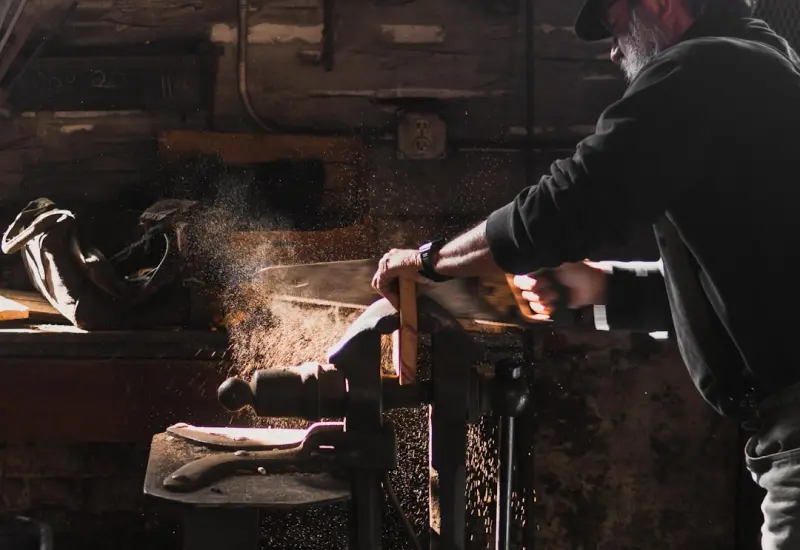
There’s a quiet thrill that comes from watching a fresh board transform under the bite of a plane or the kiss of a chisel. In an age where everything seems to be digitized and instant, the tactile, deliberate rhythm of traditional woodworking offers a counter‑balance that feels both rebellious and restorative. This post dives deep into the resurgence of hand‑tool mastery, why makers are gravitating back to time‑tested joinery, and how you can embed these practices into a modern workshop without sacrificing efficiency.
The Allure of Hand‑Tool Mastery
When you pick up a hand plane, you’re not just holding a tool; you’re holding a lineage of craft that stretches back centuries. The sound of the blade sliding over wood, the feel of the grain yielding, and the visual feedback of each shaving tell a story you simply can’t get from a CNC router. This sensory feedback loop does more than produce a smooth surface—it builds a relationship between maker and material.
Many contemporary woodworkers report a heightened sense of focus and mindfulness when they work solely with hand tools. The slower pace forces you to plan each cut, anticipate grain direction, and respect the natural characteristics of the timber. It’s a meditative practice that sharpens observation skills and deepens appreciation for the wood’s inherent beauty.
Why Traditional Joinery Is Making a Comeback
Mortise‑and‑tenon, dovetail, and finger‑joint techniques have long been the backbone of durable furniture. Yet, for a generation raised on screws and metal fasteners, these joints can feel like a foreign language. The resurgence is driven by three key motivations:
- Durability: Properly executed wooden joints can outperform metal hardware in strength and longevity.
- Aesthetic Integrity: Visible joinery adds visual intrigue, turning functional connections into design statements.
- Environmental Consciousness: Reducing reliance on metal fasteners cuts down on mining and processing impacts.
By re‑learning these joints, makers not only craft pieces that last for generations but also embed a narrative of craftsmanship into every project.
Building a Modern Workshop Centered on Hand Tools
Transitioning from a power‑tool‑dominant space to one that honors hand tools doesn’t mean you must abandon all machinery. Instead, consider a hybrid approach that leverages the best of both worlds. Here are practical steps to redesign your workshop:
- Dedicated Hand‑Tool Zones: Allocate a quiet corner with sturdy workbenches, good lighting, and easy access to sharpening stations. This separation helps you mentally switch into a slower, more deliberate workflow.
- Tool Selection: Start with a versatile set—hand plane, block plane, shoulder plane, dovetail saw, marking gauge, chisels, and a spokeshave. Quality matters; a well‑balanced tool will improve both speed and accuracy.
- Sharpening Infrastructure: Invest in a reliable sharpening stone system or a guided sharpening tool. A sharp blade is the single most important factor in achieving clean cuts with minimal effort.
- Reference Materials: Keep a small library of classic joinery manuals and modern hand‑tool guides. Knowledge is as essential as the tools themselves.
- Integration with Digital Planning: Use CAD or simple sketching software to map out joinery layouts before you begin. This blends precision planning with the tactile execution of hand tools.
Learning the Language of Grain
The grain is the wood’s fingerprint. Understanding its direction, figure, and quirks is essential for successful hand‑tool work. Here are some guidelines to develop that intuition:
- Run a finger along the surface; feel the subtle ridges that indicate the grain’s path.
- Observe the color variation; darker streaks often signal denser growth rings.
- Use a hand scraper lightly to test how the wood reacts; resistant areas may indicate knots or compressed fibers.
When you respect the grain, you reduce tear‑out, achieve cleaner joints, and minimize waste—key advantages that even high‑tech manufacturing respects.
From Prototype to Production: Scaling Hand‑Tool Techniques
One common concern is whether hand‑tool methods can support larger projects or limited‑run production. The answer lies in thoughtful workflow design. Begin with a prototype crafted entirely by hand to perfect the joint geometry and finish. Once the design is locked, you can create jigs and templates that replicate critical steps, ensuring consistency across multiple pieces while still retaining the hand‑crafted essence.
For example, a dovetail jig can guide a dovetail saw’s angle, dramatically reducing the learning curve for apprentices while preserving the visual authenticity of a hand‑cut joint. This approach mirrors how some manufacturers blend bespoke craftsmanship with repeatable processes.
Case Study: Reviving a 19th‑Century Dresser
Recently, I took on a restoration project involving a late‑1800s dresser that had been heavily repaired with metal brackets. The goal was to honor its original construction while modernizing its functionality.
First, I stripped away the metal and carefully examined the remaining joinery. Using a combination of a marking gauge, a shoulder plane, and a set of chisels, I recreated the original mortise‑and‑tenon connections, reinforcing them with wooden dowels where needed. The result was a piece that not only looked authentic but also performed better than its metal‑reinforced predecessor.
Throughout the project, I consulted resources like exploring the evolution of woodworking tools to understand how modern innovations can support traditional methods without diluting their character.
Integrating Sustainable Practices Without the Buzzwords
While many articles focus on high‑tech sustainability metrics, there’s a subtle, profound sustainability embedded in hand‑tool woodworking:
- Extended tool life—sharp, well‑maintained tools can last decades, reducing waste.
- Reduced energy consumption—hand tools draw no electricity, lowering a workshop’s carbon footprint.
- Minimal material waste—because each cut is deliberate, you’re less likely to discard large sections of wood.
By emphasizing these practical aspects, you can market your pieces as responsibly crafted without leaning on overused terminology.
Teaching the Next Generation
One of the most rewarding aspects of hand‑tool mastery is passing the knowledge forward. Workshops, community classes, and mentorship programs can nurture new talent. Here’s a simple framework for an introductory class:
- Tool Introduction—demonstrate each tool’s purpose and safety considerations.
- Basic Sharpening—guide students through the process of achieving a keen edge.
- Simple Joint—have participants create a basic lap joint, reinforcing the connection between planning and execution.
- Finishing Techniques—showcase oil, wax, and shellac finishes that highlight wood grain.
Such a curriculum not only builds skill but also fosters a community of makers who value the tactile experience of woodworking.
Balancing Tradition with Modern Demands
It’s easy to romanticize the past, but a successful workshop must also meet client expectations for timeliness and consistency. Leveraging digital tools for project management can provide that balance. For instance, employing a structured workflow system—similar to those discussed in effective project planning guides—helps you track each stage from design to delivery, ensuring hand‑crafted pieces arrive on schedule.
By blending meticulous hand work with transparent, data‑driven project tracking, you create a compelling value proposition: timeless craftsmanship backed by modern reliability.
Final Thoughts: The Future Is Hand‑Crafted
The resurgence of hand‑tool mastery isn’t just a nostalgic trend; it’s a response to a growing desire for authenticity, durability, and mindful creation. As more consumers and businesses seek products with genuine stories, the skills of mortise‑and‑tenon, dovetail, and plane work become powerful differentiators.
Whether you’re a seasoned woodworker looking to deepen your practice, a newcomer eager to learn, or a business owner aiming to diversify your offerings, embracing traditional hand‑tool techniques can unlock new avenues for creativity, sustainability, and market appeal. The wood is waiting—pick up that plane and start listening.

Kelly Reynolds is a dynamic freelance writer hailing from the picturesque landscapes of Alberta. A master of the written word, she juggles her passion for storytelling with the exhilarating chaos of being a mother to five spirited children. With an impressive portfolio that spans various genres, Kelly captivates readers through her engaging blog posts and thought-provoking articles.
Related Posts
Sustainable Woodworking: How to Make Your Home Additions Eco-Friendly
Learn how to make your home additions eco-friendly with sustainable woodworking practices that reduc... Read More
Building Calm: How Mindful Woodworking Transforms Workspaces
Explore the transformative power of mindful woodworking, a practice that blends tactile craftsmanshi... Read More
Woodworking Meets Tech: Crafting Smart, Sustainable Pieces
A deep dive into how woodworkers are blending CNC, cloud design, and embedded sensors to create smar... Read More
Top Posts

Data‑Driven Lawn Care: Turning Your Yard Into a High‑Performance Asset
Learn to modernize lawn care with sensors, smart controllers, and data‑driven strategies, turning your backyard into a high‑performance, low‑maintenance a...Read More
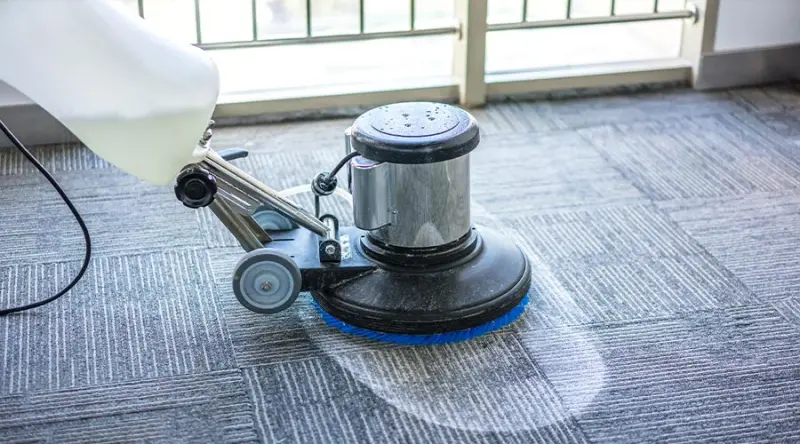
Rethinking Carpet Care: Less Is More
Learn why aggressive carpet cleaning can damage fibers and how low‑moisture extraction, smart tools, and sustainable practices keep your rugs looking fresh lo...Read More

Smart Wallpaper: Sustainable Patterns & Personalization
Wallpaper is evolving from a decorative afterthought into a strategic, tech‑enabled surface that offers personalization, sustainability, and data integration ...Read More

Why Duct Cleaning Is the Unsung Hero of Healthy Buildings
A comprehensive guide explains why duct cleaning is essential for indoor health, energy savings, and overall building performance, offering practical scheduling...Read More
0 Comments
Post Comment
You will need to Login or Register to comment on this post!