

Rethinking the Frame: How Modern Windows & Doors Shape the Future of Buildings
When I first walked onto a construction site fresh out of college, the window was a simple aperture, a piece of glass that let light in and kept the elements out. Fast‑forward a decade, and the same opening has become a high‑tech hub, a health‑focused interface, and a cornerstone of sustainable performance. In today’s market, windows and doors are no longer afterthoughts; they’re strategic assets that can tilt the balance between a building that merely exists and one that truly thrives.
From Passive Openings to Active Systems
Traditional glass panels were designed for static performance—thermal insulation measured by U‑value, structural integrity, and perhaps a decorative grille. Modern solutions, however, integrate dynamic glazing, embedded sensors, and responsive actuators. Imagine a façade that tints on demand, reducing glare while preserving daylight, or a door that signals a security breach before a lock is even tampered with. These capabilities shift windows and doors from passive components to active participants in a building’s operational ecosystem.
Health‑Centric Glazing: More Than Just Light
Biophilic design has taught us that daylight improves mood and productivity, but the story doesn’t stop there. Research shows that certain glass coatings can filter out harmful UV rays while preserving the beneficial portion of the spectrum, protecting interiors from fading and occupants from skin damage. Moreover, low‑emissivity (low‑E) coatings reduce infrared transmission, stabilizing indoor temperatures and curbing HVAC strain.
But the next wave goes deeper: anti‑microbial glass embedded with silver‑based nanocoatings that inhibit bacterial growth on the surface. In high‑traffic zones—hospital corridors, school entrances, office lobbies—such technology can reduce cross‑contamination risk without relying on chemical cleaners.
Acoustic Mastery: Silencing the Urban Jungle
For many of us, the city’s roar is an unavoidable backdrop. Yet, the right window and door assemblies can transform that cacophony into a whisper. Multi‑layered glazing, combined with insulated frames and acoustic seals, can achieve sound transmission class (STC) ratings that rival dedicated acoustic walls. This is especially crucial for mixed‑use developments where residential units sit atop commercial spaces.
When designing for acoustic performance, consider the air cavity depth and the damping material within. A laminated glass pane with a viscoelastic interlayer can dramatically cut down on low‑frequency noise, making a bedroom feel like a sanctuary even when the street below hums with traffic.
Security Reimagined: From Locks to Integrated Defense
Security has evolved from mechanical locks to layered digital defenses. Modern doors can incorporate biometric access, encrypted wireless communication, and real‑time monitoring. Coupled with smart windows that detect forced entry attempts—through vibration sensors or sudden pressure changes—building owners gain a comprehensive security posture without sacrificing aesthetics.
Integrating these systems with building management platforms ensures that any anomaly triggers a coordinated response: doors lock, alarms sound, cameras focus, and administrators receive instant alerts on their mobile devices.
Energy Efficiency: The Real ROI Driver
Energy codes worldwide now mandate tighter envelope performance, and windows often become the weakest link. Advanced glazing technologies—such as triple‑pane units with argon or krypton fills—can achieve U‑values as low as 0.15 W/m²·K. When paired with thermally broken frames made from composite materials, the overall thermal bridge is minimized, delivering measurable savings on heating and cooling bills.
For developers, the financial upside is twofold: lower operating costs translate into higher tenant satisfaction, and many jurisdictions offer incentives for high‑performance façades. Conducting a life‑cycle cost analysis early in the design phase helps quantify these benefits, turning what once seemed a premium expense into a strategic investment.
Supply Chain Transparency: The traceable material sourcing Advantage
One of the most under‑discussed challenges in the industry is the provenance of raw materials. From the aluminum extrusions that form frames to the silica sand used in glass production, hidden supply‑chain risks can affect both cost and compliance. By demanding full traceability—documented through blockchain or certified third‑party audits—builders ensure that each component meets environmental standards and avoids the pitfalls of forced labor or conflict minerals.
Transparent sourcing also opens doors (pun intended) to circular economy models. Reclaimed timber frames, recycled glass cullet, and modular door kits can be re‑purposed at the end of a building’s life, reducing landfill impact and opening up new revenue streams through material resale.
Design Flexibility: The Rise of Modular Door Systems
Modularity isn’t just for interior partitions. Prefabricated door systems now arrive on site as complete units—frame, hardware, glazing, and even integrated lighting—ready to be installed in minutes. This reduces labor hours, eliminates on‑site errors, and ensures consistent quality across multiple units.
Architects are leveraging this flexibility to experiment with non‑standard openings: oversized pivot doors that blur the line between interior and exterior, sliding panels that glide on magnetic levitation tracks, and pivot‑hinge windows that open vertically for rain‑shielded ventilation. The result is a dynamic envelope that responds to both form and function.
Weather‑Ready Solutions: Preparing for a Changing Climate
Extreme weather events are no longer anomalies. Flood‑prone regions demand windows that can withstand hydrostatic pressure, while wildfire‑exposed zones benefit from fire‑rated glass that meets stringent safety standards. In these contexts, proper detailing—such as pressure‑equalized rain screens and sealed perimeter joints—prevents water ingress and maintains structural integrity.
Implementing weather‑ready window strategies doesn’t have to break the budget. Selecting the right combination of glass thickness, frame material, and sealing system can deliver performance comparable to high‑cost custom solutions while keeping project costs in check.
Integrating with Building Automation
The modern building is a network of sensors and actuators, and windows and doors are prime candidates for integration. By linking glazing tint levels to daylight sensors, a façade can automatically reduce solar gain, easing cooling loads. Door usage data can inform occupancy patterns, enabling smarter HVAC zoning that adapts to real‑time demand.
Open standards like BACnet and MQTT facilitate this connectivity, allowing window manufacturers to provide plug‑and‑play modules that speak the same language as existing building management systems. This interoperability future‑proofs investments, ensuring that today’s installations remain relevant as technology evolves.
Case Study: A Boutique Office Turned Showcase
Consider a recent renovation of a 10,000‑square‑foot boutique office in a dense urban district. The client prioritized a sleek aesthetic, employee wellbeing, and a demonstrable commitment to sustainability. The solution combined:
- Triple‑pane low‑E glass with a spectrally selective coating, achieving an overall U‑value of 0.16 W/m²·K.
- Aluminum‑fiberglass composite frames with 75 % recycled content, sourced through a transparent supply chain.
- Electrochromic glazing on the main façade, programmed to dim at 350 lux, reducing glare without sacrificing natural light.
- Biometric access doors integrated with the building’s security platform, providing audit trails and instant lockdown capability.
- Acoustic laminated glass on conference‑room windows, delivering an STC rating of 45, ensuring privacy despite the bustling street outside.
Post‑occupancy monitoring showed a 22 % reduction in HVAC energy use, a 30 % drop in artificial lighting demand during daytime, and a measurable improvement in employee satisfaction scores related to comfort and perceived safety.
Future Horizons: Smart Glass Meets Renewable Energy
The next frontier lies at the intersection of glazing and energy generation. Transparent photovoltaic (TPV) cells are emerging that can be laminated within glass panes, turning windows into power generators while still allowing daylight to pass through. Early pilots report conversion efficiencies around 5‑7 %, enough to offset a portion of a building’s electricity consumption.
When combined with energy‑storage systems and AI‑driven demand response, these “energy‑active” windows could transform façades into micro‑power plants, further decoupling buildings from the grid and supporting broader sustainability goals.
Practical Tips for Decision‑Makers
Choosing the right windows and doors can feel overwhelming. Here’s a concise checklist to keep you on track:
- Define performance priorities. Is energy efficiency your main goal, or do you need acoustic isolation or heightened security?
- Assess climate demands. Select glazing and framing systems tailored to local weather patterns.
- Demand material traceability. Verify certifications and supply‑chain documentation.
- Plan for integration. Ensure compatibility with existing or planned building automation protocols.
- Consider lifecycle cost. Look beyond upfront price; factor in maintenance, energy savings, and potential resale value.
- Engage early with manufacturers. Early collaboration yields custom solutions that avoid costly redesigns later.
By approaching windows and doors as performance‑driven systems rather than decorative afterthoughts, you unlock a suite of benefits that ripple across energy, health, security, and occupant experience.
Conclusion: The Frame as a Strategic Lever
In the evolving narrative of building design, windows and doors have graduated from static openings to dynamic, intelligent envelopes. Their influence touches every facet of performance—from the tangible—energy bills and security—to the intangible—wellbeing and brand perception. Embracing these advances today positions your projects not just for compliance, but for leadership in a market that increasingly rewards holistic, forward‑thinking solutions.

Paul Gray is a dynamic blogger based in Brampton, where he shares his life with his amazing wife, Sarah. Known for his engaging writing style and relatable insights, Paul has carved out a niche in the blogging world that resonates with readers from all walks of life. When he's not crafting captivating posts, you can find him savoring a cold beer or indulging in the latest blockbuster movie. With a friendly demeanor and a passion for storytelling, Paul brings a unique perspective to his work, making him not just a blogger, but a voice for those who appreciate the simple joys of life.
Related Posts
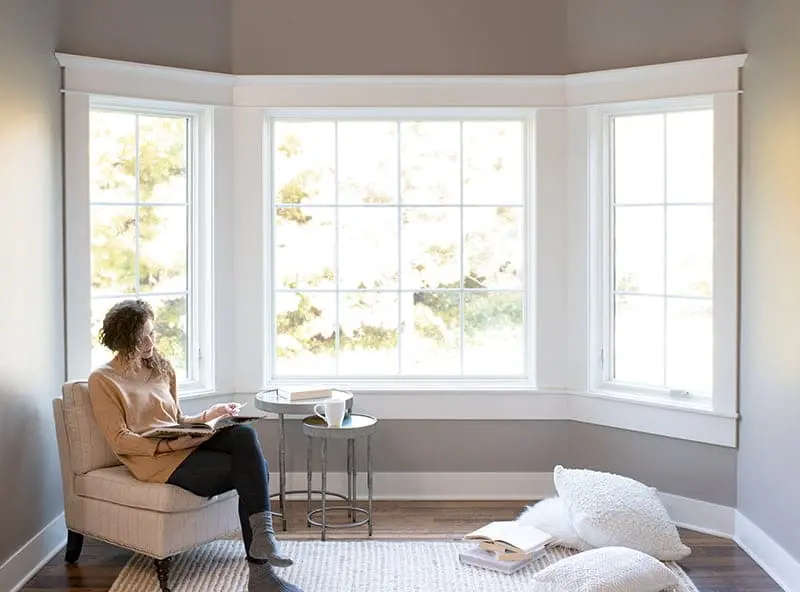
How Windows and Doors Shape Your Home’s Health and Comfort
Explore the hidden ways windows and doors influence indoor air flow, natural light, and health—pra... Read More
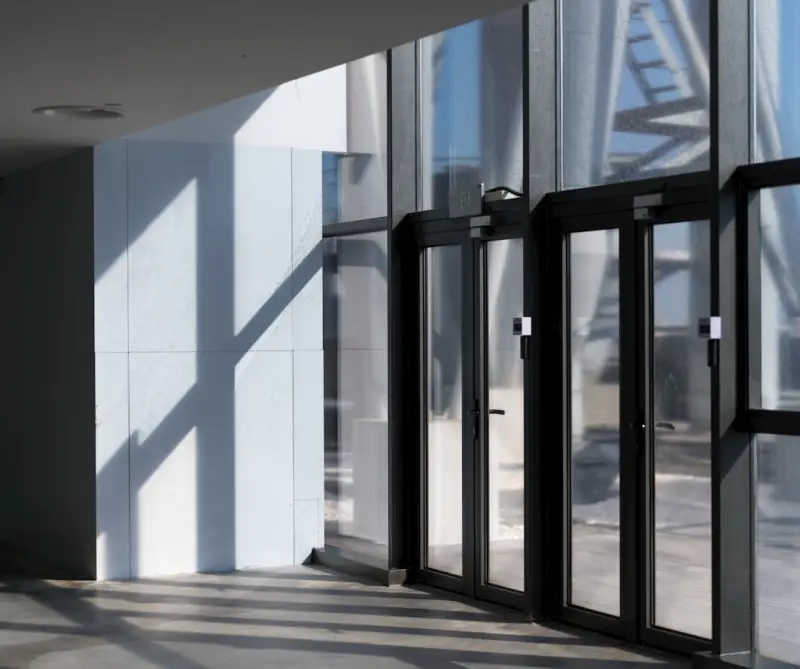
When Entryways Speak: Designing Windows and Doors as Strategic Storytellers
A deep dive into how modern windows and doors—through smart glass, sensor‑enabled panels, and su... Read More
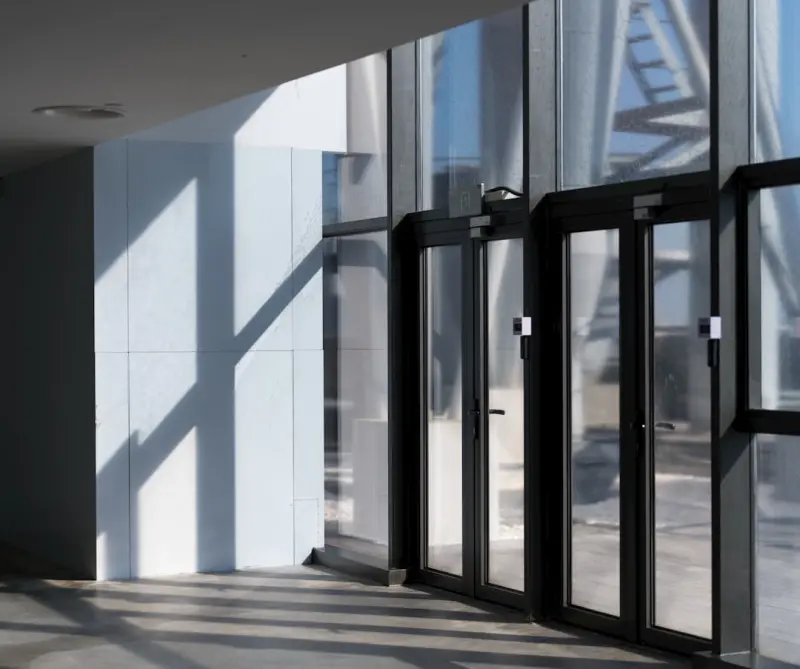
The Rise of Adaptive Door Systems: Blending Security, Sustainability, and Seamless Design
Adaptive doors are evolving from static barriers into intelligent, energy‑saving, and design‑fle... Read More
Top Posts

Designing for Cognitive Wellness: Architecture That Minds the Brain
A deep dive into designing spaces that support mental clarity, emotional balance, and productivity, with practical strategies, a real‑world case study, and a ...Read More

Smart Home Alarm Systems: Security Meets Sustainability
A smart alarm isn’t just a deterrent; it’s a sustainable, integrated system that safeguards your home, reduces energy waste, and adds value to your eco‑fr...Read More

Weathering the Storm: A Comprehensive Guide to Home Weather Proofing
Discover the importance of home weather proofing and learn various methods and techniques to make your home more energy-efficient, sustainable, and secure from ...Read More
The Critical Role of Appliance Repair in Maintaining Home Energy Efficiency
Appliance repair plays a critical role in maintaining home energy efficiency. Learn how to prioritize repairs and reduce energy consumption for a more sustainab...Read More
0 Comments
Post Comment
You will need to Login or Register to comment on this post!