

Why Paint Is the Unsung Hero of Home Transformation
When you walk into a room that feels instantly uplifting, it’s rarely the furniture or the floor covering that does the heavy lifting. More often, it’s a fresh coat of paint, quietly doing its job behind the scenes. As someone who’s spent countless weekends with a paint roller in hand, I’ve learned that paint isn’t just a decorative finish—it’s a strategic tool that can shape mood, protect surfaces, and even boost the resale value of a property. In this deep dive, I’ll walk you through the decisions that turn a simple paint job into a lasting, high‑impact upgrade.
The Science of Color: More Than Aesthetic Appeal
Color is a language. From the calm of muted blues to the energy of vibrant oranges, each hue sends signals to our brain that influence how we feel and behave. When choosing a palette, consider the function of the space:
- Bedrooms: Soft, cool tones such as lavender, sage, or light gray promote relaxation and improve sleep quality.
- Home offices: Subtle greens or warm neutrals stimulate focus while reducing eye strain.
- kitchens: Bright, saturated colors like sunny yellow or citrus orange can inspire appetite and conversation.
- Living rooms: Balanced neutrals paired with an accent wall create a welcoming backdrop for entertaining.
Understanding the psychological impact of color lets you align paint choices with the intended activity of each room. It’s a subtle yet powerful way to engineer comfort without adding extra square footage.
Finish Matters: Decoding Sheen Levels
Most homeowners focus on hue and overlook finish. Yet the sheen—matte, eggshell, satin, semi‑gloss, and high‑gloss—affects durability, cleanability, and light reflection.
- Matte: Offers a velvety, non‑reflective look; perfect for ceilings or low‑traffic walls but can be harder to clean.
- Eggshell: The workhorse finish—soft sheen, good hide, and easy to wipe down; ideal for living areas and bedrooms.
- Satin: Slightly glossier, providing better moisture resistance; great for bathrooms, hallways, and children’s rooms.
- Semi‑gloss: Highly reflective and durable; perfect for trim, doors, and cabinets where scrubbing is common.
- High‑gloss: Offers a showroom finish; best reserved for accent pieces, furniture, or modern industrial aesthetics.
Choosing the right sheen is a balancing act between aesthetics and practicality. A common mistake is applying high‑gloss paint to large wall expanses, which can make a room feel smaller and highlight imperfections.
Eco‑Friendly Paints: Going Green Without Compromise
Today’s paint market is awash with “low‑VOC,” “zero‑VOC,” and “natural” options. Volatile organic compounds (VOCs) can off‑gas after application, affecting indoor air quality. Here’s how to evaluate greener formulas:
- Check certifications: Look for Green Seal, GREENGUARD, or EcoLabel stamps.
- Read the label: True zero‑VOC paints list VOC content as “0 g/L.” Some “low‑VOC” products still hover around 50 g/L.
- Consider the binder: Paints based on water‑based acrylics or plant‑derived polymers tend to be less toxic.
- Evaluate durability: Eco‑paints have improved dramatically; many now rival traditional formulas in coverage and washability.
Investing in low‑VOC paint not only protects your family’s health but also aligns with a broader push toward sustainable home improvement. It’s a win‑win that doesn’t sacrifice performance.
Prepping the Canvas: Surface Preparation Essentials
Even the most expensive paint can look cheap on a poorly prepared surface. A solid prep routine ensures the final coat adheres properly and lasts longer.
- Clean the wall: Dust, grease, and cobwebs are the enemy. Use a mild detergent solution for kitchen walls and a simple vacuum for living spaces.
- Repair imperfections: Fill nail holes, cracks, and dents with a lightweight spackle. Sand smooth once dry.
- Sand glossy surfaces: Lightly scuffing high‑sheen paint creates a “tooth” for the new coat to grip.
- Prime strategically: New drywall, repaired areas, and dark-to-light color changes all need a quality primer. For stains, consider a stain‑blocking primer.
Skipping any of these steps often leads to peeling, uneven color, or a need for a premature touch‑up—costing both time and money.
Tools of the Trade: From Roller to Brush, Choose Wisely
Professional painters swear by the right tool for each job. Here’s a quick cheat sheet:
- Roller nap: ¼‑inch nap works well on smooth drywall, while a ¾‑inch nap handles textured plaster.
- Brush type: Synthetic brushes are ideal for water‑based paints; natural bristles excel with oil‑based formulas.
- Extension pole: Reduces strain when painting ceilings or high walls.
- Paint tray liner: Saves cleanup time—just peel and toss.
Investing in quality tools pays dividends in smoother finishes and less frustration. A cheap brush can leave streaks that force you to redo a section.
Lighting’s Role in Color Perception
Natural light, artificial bulbs, and even window treatments can shift the way a paint color appears. Before committing to a hue, test it in multiple lighting conditions:
- Paint a 12‑inch square on the wall.
- Observe at sunrise, midday, and sunset.
- Turn on ambient, task, and accent lighting.
If a color looks dramatically different under warm incandescent bulbs versus cool LED lights, you may need to adjust your choice or plan for layered lighting solutions.
Cost‑Effective Strategies for a Professional Look
Budget constraints don’t have to mean a DIY disaster. These tactics let you achieve a high‑end finish without a contractor’s price tag:
- Plan for two coats: It’s cheaper to buy a higher‑quality paint and apply two thin coats than to purchase cheap paint and apply three thick layers.
- Use painter’s tape strategically: Crisp edges reduce the need for touch‑ups.
- Paint in moderate humidity: 40‑60% relative humidity speeds drying and reduces lap marks.
- Group similar rooms: Buying paint in bulk for multiple spaces reduces per‑gallon cost.
Even small savings add up when you factor in labor, especially if you’re tackling a full‑house refresh.
Integrating Paint with the Broader Home Ecosystem
Paint doesn’t exist in a vacuum. It interacts with HVAC, insulation, and even smart home devices. A well‑chosen paint can enhance energy efficiency by reflecting or absorbing heat, depending on the climate.
For example, in warmer regions, a light‑reflective, cool‑tone paint on exterior walls reduces heat absorption, easing the load on air‑conditioning. Inside, a matte finish on a home office wall can reduce glare from overhead lighting, improving visual comfort.
Thinking about the predictive property maintenance approach, regular repainting becomes a preventive measure that protects underlying drywall from moisture and mold—extending the life of your walls and saving future repair costs.
Case Study: Turning a Drab Home Office into a Productivity Hub
One of my recent projects involved a cramped home office with stale, flat‑painted walls. The homeowner wanted a boost in focus without a full remodel. Here’s the roadmap we followed:
- Color selection: Chose a soft sage green (a calming, nature‑inspired hue) paired with a crisp white ceiling.
- Finish: Applied an eggshell finish for easy cleaning, anticipating frequent marker use on a whiteboard wall.
- Prep: Sanded existing paint, applied a high‑quality primer to cover previous dark orange accents.
- Lighting upgrade: Added a daylight‑balanced LED desk lamp to complement the green’s subtle energizing effect.
- Final touch: Integrated a sensory interiors approach by adding a soft rug and a small indoor plant, creating a multisensory environment.
The result? The client reported a 30% increase in perceived productivity and a noticeable reduction in eye strain. The space felt fresh, professional, and uniquely personal—proof that paint can be a catalyst for performance.
Seasonal Painting: Timing Your Projects for Maximum Results
While paint can be applied year‑round in most indoor settings, temperature and humidity still affect drying time and finish quality. Ideal indoor conditions hover between 55°F and 85°F with 40‑60% humidity. In colder months, use a space heater to maintain temperature; in humid climates, a dehumidifier helps prevent “wet‑look” finishes.
Plan major color changes in the spring or fall when indoor climate control is most stable. This reduces the risk of paint problems like bubbling, peeling, or excessive drying time.
Future‑Facing Trends: What’s Next for Home Paint?
Even if you’re not chasing the latest fad, it’s useful to be aware of emerging directions:
- Self‑healing paints: Formulations with micro‑capsules that release resin when scratched, extending wall life.
- Thermochromic pigments: Paint that changes hue with temperature—a subtle way to signal energy efficiency.
- Smart paint: Embedded with conductive particles that can turn walls into low‑power Wi‑Fi repeaters (still in prototype stage).
These innovations illustrate how paint is evolving from a static coating into an active component of a smart, resilient home.
Wrap‑Up: Your Paint Plan in Six Simple Steps
To turn the ideas above into action, follow this concise roadmap:
- Define goals: Mood, durability, eco‑friendliness.
- Choose color palettes based on room function and lighting.
- Select appropriate finishes for each surface.
- Invest in proper prep: Clean, repair, prime.
- Pick quality tools and work in optimal environmental conditions.
- Integrate with broader home systems, considering energy, air quality, and future maintenance.
When you treat paint as a strategic element rather than an afterthought, you unlock a cost‑effective, high‑impact way to refresh, protect, and personalize your living space. So, roll up those sleeves, grab that roller, and let the walls speak your story.

William Roy is a freelance writer originally from Montreal who moved to Ottawa with his wife of 50 years to be closer to their grandkids. Alongside his writing, William has a passion for fishing.
Related Posts

Painting with Purpose: How Color Can Transform Your Home’s Mood and Function
Explore how strategic color choices can influence mood, behavior, and health in each room, with prac... Read More

Intelligent Paint: How High‑Tech Coatings Are Changing the Way We Color Our Homes
Modern paint is evolving into a high‑tech platform that improves indoor air quality, reduces energ... Read More

The Hidden Power of Paint: Health, Tech, and Sustainable Upgrades
Explore how modern paint technologies—low‑VOC formulas, AI color selection, scented and smart co... Read More
Top Posts

When the Ground Shifts: Proactive Strategies to Safeguard Your Building’s Core
A deep dive into early warning signs, sensor technology, soil science, and community collaboration that transforms foundation repair from a reactive fix into a ...Read More
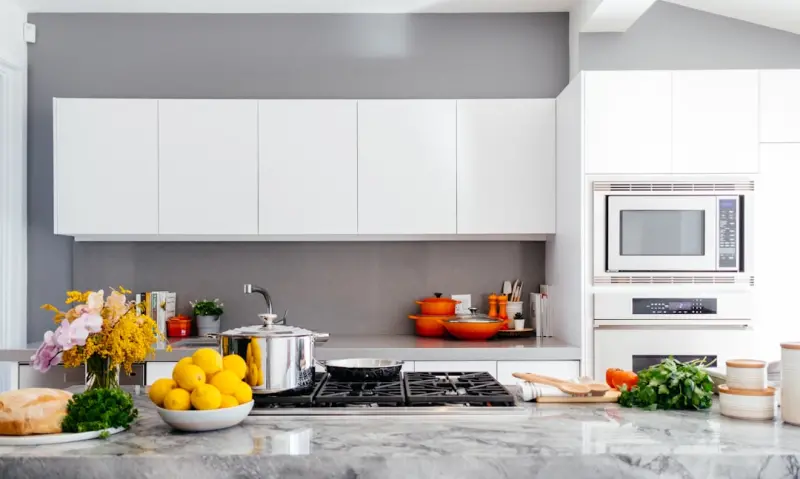
Countertop Trends that Blend Style, Smart Tech, and Sustainability
Explore how recycled quartz, concrete, and smart-integrated countertops are reshaping kitchens with sustainable style, cutting‑edge tech, and lasting value....Read More
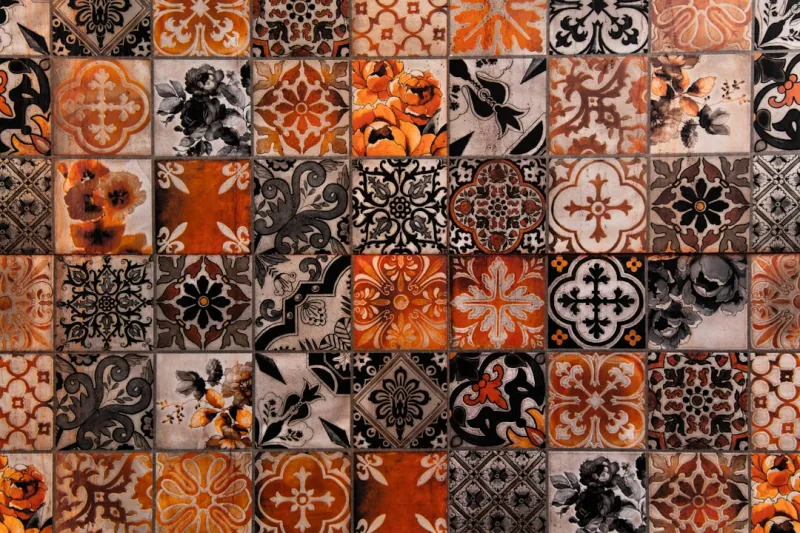
The Green Revolution in Tiling: Sustainable Solutions for a Modern Home
The demand for sustainable tiling solutions is on the rise. Learn about the latest eco-friendly materials and techniques that can reduce the environmental impac...Read More

The Ultimate Guide to Floor Heating Systems: Benefits, Types, and Installation
Floor heating systems provide efficient and comfortable heat for homes. Learn about the different types, benefits, and installation requirements to choose the r...Read More
0 Comments
Post Comment
You will need to Login or Register to comment on this post!