
Why a Sensory Garden Became My Sanctuary
When I first stepped onto my modest suburban lot, the concrete slab and the manicured lawn felt like a mute backdrop to my bustling life, and I realized I needed a space that could speak in color, scent, and sound; thus began my quest to craft a sensory garden that would not only please the eye but also soothe the mind and invigorate the body. I chose this path because I wanted a living room without walls, a place where the rustle of grasses, the subtle perfume of lavender, and the gentle hum of bees could become my daily meditation, turning ordinary chores into moments of mindful delight. Over the months that followed, each planting decision, each stone laid, and each water feature installed felt like a paragraph in a love letter to nature, and the garden quickly evolved from a simple backyard project into a personal refuge that nurtures my creativity and emotional well‑being.
Mapping the Space: From Vision to Blueprint
Instead of diving straight into planting, I first sketched a rough map on graph paper, treating the garden like a canvas where pathways, seating nooks, and planting zones could flow together in harmonious rhythm, ensuring every footstep would reveal a new surprise rather than a repetitive loop. I broke the area into three distinct zones— a quiet meditation corner, a lively edible border, and a playful pollinator meadow—each designed to serve a specific sensory purpose while still feeling interconnected through curving walkways and subtle transitions of texture. By visualizing the garden in layers before breaking ground, I avoided costly redesigns later and set a clear framework that allowed me to balance aesthetics with function, a practice I now recommend to anyone who dreams of turning a plain lot into a thriving outdoor sanctuary.
Soil Story: Building a Living Foundation
The most crucial step, often overlooked by eager homeowners, was to revitalize the soil so it could support a diverse plant palette; I began by performing a simple DIY soil test, discovering a pH that leaned toward acidity and a texture that was overly sandy, which prompted me to amend it with compost, aged manure, and a handful of gypsum to improve structure and nutrient balance. Rather than relying on a single bulk amendment, I layered organic matter in shallow beds, allowing earthworms and beneficial microbes to colonize gradually, which created a living, breathing substrate that would reward even the most delicate herbs and the hardiest perennials. This deliberate investment in soil health paid off handsomely, as the first seedlings sprouted robustly, and the garden’s resilience during the first summer drought proved that a strong foundation truly sets the stage for long‑term success.
Plant Palette: Native Meets Edible
When selecting plants, I intentionally blended native species with edible varieties, striking a balance between ecological responsibility and culinary adventure; native grasses like little bluestem provide year‑round movement and seed for birds, while rosemary, kale, and heirloom tomatoes offer fresh flavors that can be harvested straight from the backyard. I grouped plants according to their water needs, sunlight preferences, and seasonal interest, creating dynamic layers where low‑lying herbs cushion the soil, mid‑height perennials add bursts of color, and taller shrubs frame the garden, ensuring each view remains engaging from every angle. By weaving edible plants into the native tapestry, I not only reduced maintenance and irrigation demands but also turned every stroll through the garden into an invitation to taste the season, reinforcing the idea that beauty and utility can coexist in perfect harmony.
Water Wisdom: Harvesting Rain, Reducing Waste
To honor the garden’s thirst without draining the household budget, I installed a modest rain barrel system connected to a strategically placed downspout, allowing me to capture runoff from the roof and use it to irrigate the thirsty zones during dry spells; this simple setup, coupled with a drip‑irrigation network that delivers water directly to the root zones, dramatically cut my outdoor water use and minimized evaporation losses. I also mulched heavily around plants, using shredded bark and leaf litter to create a protective blanket that conserves moisture, suppresses weeds, and slowly enriches the soil as it breaks down, turning waste into a resource. For those seeking deeper insight into micro‑climate considerations, the micro‑climate mastery guide offers practical tips on positioning beds to capture sun and shelter, ensuring that every droplet counts toward a thriving, drought‑resilient oasis.
Designing for Wildlife: Attracting Pollinators and Birds
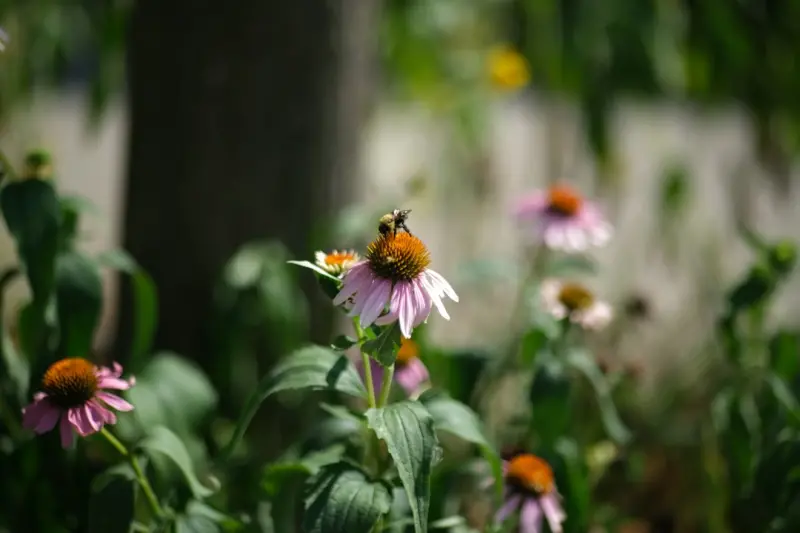
One of my most rewarding goals was to transform the garden into a bustling haven for pollinators, so I planted nectar‑rich blooms such as coneflower, bee balm, and catmint, each chosen for its ability to draw bees, butterflies, and hummingbirds throughout the growing season, creating a living soundtrack of buzzing and fluttering that energizes the space. I added a small, shallow birdbath crafted from reclaimed stone, surrounded by fine gravel that doubles as a perching area, inviting finches and sparrows to sip and socialize, while a few strategically placed nest boxes provide shelter for solitary birds seeking a safe retreat. By integrating these wildlife‑friendly elements, the garden becomes a dynamic ecosystem where every plant, water feature, and structure plays a role in supporting biodiversity, turning a simple yard into a vibrant, self‑sustaining community.
Smart Shade and Structure: Using Light to Sculpt Mood
Understanding that light is as much a design tool as any plant, I incorporated a series of pergolas and raised beds that not only define functional zones but also modulate sunlight, creating cool retreats in the afternoon and bright alcoves for sun‑loving herbs; to enhance this effect without sacrificing style, I referenced shade‑smart awnings for inspiration, opting for retractable fabric panels that can be adjusted seasonally, providing flexible shade while adding a splash of color. For the garden walls that frame the meadow, I turned to modern masonry techniques, laying reclaimed brick in a staggered pattern that not only offers visual interest but also creates thermal mass, radiating gentle warmth after sunset and extending the garden’s usability into cooler evenings. These structural choices, combined with thoughtful placement of lighting and seating, allow the garden to shift moods throughout the day, ensuring each visit feels fresh and purposeful.
Low‑Maintenance Rhythm: Seasonal Care without Burnout
To keep the garden vibrant yet manageable, I established a seasonal calendar that aligns chores with natural growth cycles, designating early spring for soil aeration and mulching, mid‑summer for light pruning and harvesting, and late autumn for leaf removal and compost turning, thereby spreading work into bite‑sized tasks that never feel overwhelming. I also embraced perennial planting wherever possible, selecting varieties that return year after year, reducing the need for replanting and allowing the garden’s structure to mature and deepen its character over time. By combining thoughtful planning, strategic plant choices, and modest infrastructure, the garden has become a source of continual joy rather than a burden, proving that a well‑designed outdoor space can nurture both the land and the lifestyle of its caretaker.

When it comes to the world of blogging and writing, Rose DesRochers is a name that stands out. Her passion for creating quality content and connecting with her audience has made her a trusted voice in the industry. Aside from her skills as a writer and blogger, Rose is also known for her compassionate nature.
Related Posts

The Intersection of Landscaping and Sustainable Home Design
Sustainable landscaping is a critical component of sustainable home design. Learn how to create a be... Read More
Designing a Seasonal Narrative Landscape: Pollinators, Rain Gardens, and Sustainable Hardscapes
Discover a fresh approach to landscaping that treats your garden as a seasonal narrative, integrates... Read More

Creating a Low‑Maintenance Native Landscape That Thrives in Urban Spaces
Learn step‑by‑step how to turn an ordinary city yard into a resilient, low‑maintenance native ... Read More
Top Posts

Seeing the Unseen: How Continuous Energy Inspection Turns Hidden Waste Into Strategic Advantage
Energy inspection is evolving from annual audits to a continuous, technology‑driven process that uncovers hidden waste, boosts ESG scores, and creates measura...Read More

The Hidden Benefits of Duct Cleaning: How a Cleaner HVAC System Can Improve Your Home's Sustainability
Learn how duct cleaning can improve your home's sustainability, indoor air quality, and energy efficiency. Discover the benefits of regular duct cleaning and ho...Read More

The Evolution of Sustainable Flooring: A Greener Future for Your Home
Sustainable flooring is a critical component of a sustainable home. Learn about the evolution of sustainable flooring, eco-friendly options, and benefits for yo...Read More

Design‑Build Fusion: Harnessing Real‑Time 3D Digital Twins to Accelerate Projects
Real‑time 3D digital twins are revolutionizing design‑build by providing instant feedback, risk transparency, and client empowerment, turning speculative de...Read More
0 Comments
Post Comment
You will need to Login or Register to comment on this post!