
The Unseen Enemy Lurking Behind Your Walls
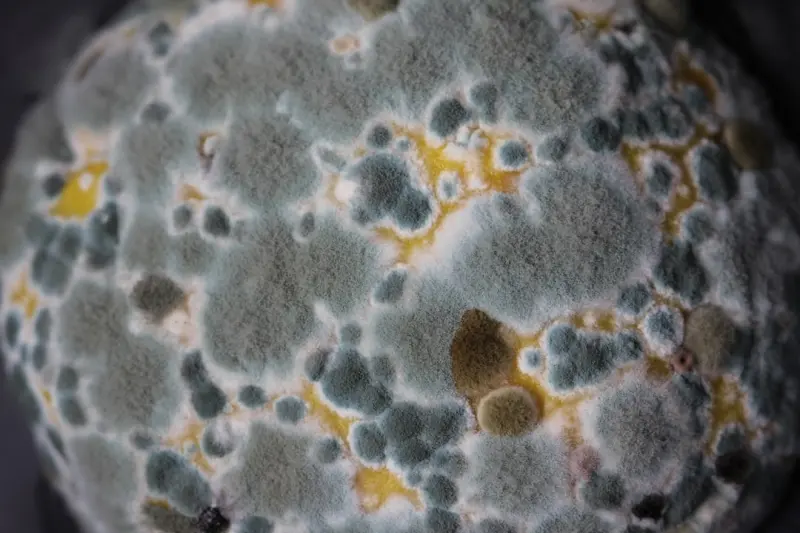
When I first noticed a faint, earthy smell wafting from my basement, I dismissed it as “just a bit of damp”. Within weeks, a patch of black speckles emerged, and I realized I was staring at a mold colony that had been quietly thriving. Mold doesn’t wait for permission—it spreads the moment moisture and nutrients align, turning even the smallest leak into a sprawling problem.
Why Mold Is More Than a Cosmetic Issue
Most homeowners treat mold like an unsightly stain that can be scrubbed away with bleach, but the truth is far more complex. The fungal hyphae infiltrate porous materials, embedding themselves deep within drywall, insulation, and wood. Ignoring the depth of invasion means you’re only masking the surface while the root remains untouched.
Health Hazards That Hide in Plain Sight
My own bout with persistent sinus congestion was a wake‑up call; the culprit was the invisible spores drifting from that basement patch. Studies link prolonged exposure to mold‑derived mycotoxins with respiratory issues, allergic reactions, and even cognitive fog. Protecting your family’s health starts with acknowledging that mold is a living organism, not just a visual nuisance.
Structural Damage That Can Undermine Your Home’s Value
Beyond health, mold feasts on structural components, weakening beams and compromising load‑bearing walls over time. When left unchecked, rot and decay can spread to foundations, leading to costly repairs that far exceed the price of professional remediation. Early detection is the difference between a minor fix and a major renovation nightmare.
The DIY Mirage: When “Do‑It‑Yourself” Becomes a Money Pit
Armed with a bottle of bleach and a scrubbing brush, I attempted a DIY removal, only to discover the mold resurged within days. Home‑store chemicals often lack the potency to kill the resilient spores, and improper handling can release them into the air, worsening exposure. DIY shortcuts frequently end up costing more in repeat treatments and health expenses.
Assessing the Situation: The Role of Professional Testing
Before any remediation, experts perform thorough air‑sampling and surface testing to identify the specific mold species and spore count. This data drives a targeted plan, ensuring that the right biocide and containment strategy are employed. Accurate diagnostics are the foundation of an effective, lasting solution.
Tools of the Trade: Why Professionals Have the Edge
Certified mold technicians bring equipment you won’t find at a hardware aisle—HEPA‑filtered negative‑pressure vacuums, infrared cameras to spot hidden moisture, and antimicrobial foggers that penetrate unseen crevices. These tools not only eradicate the fungus but also prevent cross‑contamination during the removal process. Specialized gear makes the difference between a quick fix and a permanent cure.
Cost‑Benefit Analysis: Investing in Peace of Mind
While a professional job may appear steep upfront, the long‑term savings become evident when you consider avoided health costs, preserved property value, and prevented structural failures. A well‑executed remediation typically restores a home’s marketability and eliminates future surprise expenses. Think of it as an investment in the longevity of both your house and your family’s wellbeing.
Actionable Steps for Homeowners: When to Call the Pros
If you see mold larger than a square foot, detect a persistent musty odor, or notice water stains that don’t dry, it’s time to bring in experts. Begin by sealing the affected area, improving ventilation, and fixing any leaks before remediation. For a deeper dive into moisture‑management strategies, see my guide on permeable paving solutions and learn how proper drainage can keep mold at bay. Additionally, if you’re restoring an older home, consider the lessons from reviving historic plaster—proper surface preparation is key. Ultimately, when in doubt, trust the trained professionals to safeguard your home’s health and structural integrity.

Paul Gray is a dynamic blogger based in Brampton, where he shares his life with his amazing wife, Sarah. Known for his engaging writing style and relatable insights, Paul has carved out a niche in the blogging world that resonates with readers from all walks of life. When he's not crafting captivating posts, you can find him savoring a cold beer or indulging in the latest blockbuster movie. With a friendly demeanor and a passion for storytelling, Paul brings a unique perspective to his work, making him not just a blogger, but a voice for those who appreciate the simple joys of life.
Related Posts

The Hidden Dangers of Mold in Your Home: A Comprehensive Guide
Mold growth is a serious threat to your home's health and integrity. Learn how to prevent and remove... Read More

Predictive Sensors Are Redefining Mold Removal for Smart Buildings
Mold removal is evolving from a reactive, costly chore into a predictive, data‑driven process. Dis... Read More
Mold Removal Reimagined: Turning Data Into Prevention
A data‑first approach to mold removal can slash remediation costs, protect tenant health, and boos... Read More
Top Posts

The Green Home Inspection: A Comprehensive Guide to Sustainable Living
A green home inspection is crucial for identifying areas where your home can be more sustainable. Learn how to create a healthier, more eco-friendly living envi...Read More

Transforming Your Home's Potential: A Comprehensive Guide to Outdoor Renovations
Transform your home's potential with outdoor renovations! Learn how to create a stunning outdoor space that enhances your home's curb appeal and functionality....Read More

When Your Lawn Gets Smarter: How IoT Is Changing Grass Care
A deep dive into the emerging world of smart lawn care, covering sensors, automation, analytics, and practical steps to create a data‑driven, water‑wise, an...Read More

Transforming Your Home with Sustainable and Innovative Additions
Explore the world of sustainable home additions and learn how to create a dream home that meets your needs and exceeds your expectations. From solar energy to s...Read More
0 Comments
Post Comment
You will need to Login or Register to comment on this post!