

When most homeowners think about a paint project, they picture a weekend of taping, a fresh coat, and a visual uplift. What if the can of paint you’re buying could do more than simply change a hue? Imagine a surface that monitors indoor air, adapts its reflective properties to the time of day, and even communicates maintenance needs to your smart home hub. This isn’t a futuristic sci‑fi scenario—it’s the emerging reality of smart paint, and it’s about to rewrite the economics and experience of home interiors.
Why Paint Deserves a Technology Upgrade
Traditional paint excels at covering flaws and providing aesthetic cohesion, but it’s fundamentally passive. As homes become more connected, every building envelope—walls, floors, ceilings—should contribute data, energy efficiency, and health benefits. Paint, covering the largest surface area in a typical residence, is an obvious candidate for transformation. By integrating nano‑scale pigments, thermochromic compounds, and micro‑encapsulated sensors, manufacturers are creating coatings that respond to humidity, VOC levels, and even ultraviolet exposure. The result is a dynamic skin that can signal problems before they manifest, reduce reliance on separate air‑quality devices, and cut energy waste through smarter light reflection.
The Chemistry Behind the Magic
At the heart of smart paint lies a blend of three technological families:
- Nanopigments: Particles measured in billionths of a meter that can change color with temperature or light, offering a subtle visual cue when a room gets too hot or cold.
- Micro‑Sensors: Tiny, low‑power units embedded within the resin that detect moisture, carbon dioxide, and particulate matter, transmitting data over existing Wi‑Fi or Bluetooth Low Energy networks.
- Self‑Healing Polymers: Formulas that can seal micro‑cracks when exposed to sunlight, extending the life of the coating and preserving its performance.
These components are engineered to survive the rigors of daily wear—scrubbing, scuffing, and the occasional splash—while maintaining signal integrity. The key is a balanced matrix that protects the electronics without compromising the paint’s tactile feel.
Real‑World Benefits for the Everyday Homeowner
Smart paint isn’t just a novelty; it offers measurable advantages:
- Health Monitoring: By detecting spikes in indoor pollutants, the coating can trigger an alert on your phone, prompting ventilation or air‑purifier activation.
- Energy Savings: Thermochromic pigments reflect more infrared in hot weather, reducing cooling loads, while absorbing sunlight in winter to assist heating.
- Maintenance Forecasting: Moisture sensors flag early signs of water intrusion, allowing you to address leaks before mold becomes an issue.
- Design Flexibility: Because the color shift is subtle, you can retain a cohesive palette while still gaining functional feedback.
Collectively, these features can lower utility bills, extend the lifespan of interior finishes, and improve occupant wellbeing—all without adding a separate device to your ceiling.
Integrating Smart Paint with Existing Home Systems
The biggest hurdle for homeowners is often integration. Fortunately, smart paint aligns neatly with the same ecosystems that already manage smart thermostats, security cameras, and lighting. For instance, the Predictive HVAC platform can ingest humidity and temperature data from the walls, adjusting airflow pre‑emptively to maintain comfort and efficiency. Similarly, a centralized dashboard can aggregate wall sensor data alongside other building metrics, presenting a holistic view of indoor environmental health.
Cost Considerations—Is It Worth It?
Premium smart paint commands a higher price per gallon—roughly two to three times that of a high‑quality matte finish. However, the ROI calculation should factor in avoided expenses:
- Reduced HVAC runtime due to passive temperature regulation.
- Lowered cleaning and replacement costs thanks to self‑healing capabilities.
- Prevented structural damage from early leak detection.
- Potential insurance premium discounts for homes equipped with proactive monitoring systems.
When spread across the total square footage of an average 2,500‑square‑foot home, the incremental cost may be offset within a few years, especially in regions with extreme climate variations.
Installation Tips from a Paint‑Savvy Contractor
Even the smartest coating requires proper application to unlock its full potential. Here are three lessons I’ve learned after testing prototypes on client homes:
- Surface Preparation is Non‑Negotiable: Residual dust or grease can interfere with the sensor’s signal path. Use a high‑efficiency vacuum and a mild detergent wash, then allow the surface to dry completely.
- Apply a Primer Designed for Nano‑Coatings: Standard primers may contain silica or talc that scatters the embedded sensors. Opt for a low‑VOC, polymer‑based primer that maintains a uniform substrate.
- Mind the Overlap Zones: When painting adjacent walls, stagger the brush strokes so the embedded sensors are not all aligned in a single line—a pattern that can create blind spots for data collection.
Following these steps ensures the coating adheres well, the sensors stay functional, and you achieve the desired visual finish.
Case Study: A Smart‑Paint Retrofit in a Suburban Home
Last summer I was hired to refresh a 3‑bedroom, 2‑bath home plagued by humidity‑related mold in the bathroom and a high utility bill during the summer months. After installing a moisture‑detecting smart paint in the bathroom walls and a thermochromic variant in the living room, the family observed measurable changes within weeks:
- Bathroom humidity alerts prompted a simple window‑opening habit, eliminating mold after two weeks.
- The living‑room walls reflected an extra 5% of solar heat, reducing AC runtime by roughly 7% during peak afternoon periods.
- The homeowners reported a heightened sense of “awareness” about indoor conditions, which influenced daily ventilation choices.
This retrofit illustrates that smart paint can be both a preventive health tool and a modest energy saver, without the need for invasive structural work.
Future Horizons: Paint That Charges Devices
Research labs are already experimenting with photovoltaic pigments that can harvest ambient light to charge low‑power devices, such as sensor nodes or even smartphones placed on a wall. While commercial products are a few years out, the concept hints at a future where your living room could double as a subtle charging station, eliminating the need for extra power strips.
Choosing the Right Product for Your Project
Today’s market offers three primary categories of smart paint:
- Air‑Quality Focused: Emphasizes VOC, CO₂, and particulate sensing. Ideal for families with allergies or indoor smokers.
- Thermal‑Responsive: Prioritizes temperature regulation through heat‑reflective pigments. Best for regions with large temperature swings.
- Hybrid Solutions: Combines both air‑quality and thermal functions, often at a premium price point.
When selecting, assess the climate of your location, the health concerns of occupants, and the existing smart home ecosystem. Most manufacturers provide a compatibility matrix that maps sensor output protocols to popular platforms like Home Assistant, Alexa, or Google Home.
Potential Pitfalls and How to Avoid Them
Smart paint is a breakthrough, but it’s not without challenges:
- Signal Interference: Thick layers of metal studs or heavy insulation can dampen wireless transmission. Consider a supplemental mesh repeater if rooms are far apart.
- Maintenance of Firmware: Some coatings receive over‑the‑air updates to improve sensor accuracy. Ensure your home Wi‑Fi is reliable and that you’ve enabled automatic updates via the companion app.
- Cleaning Restrictions: Harsh chemicals can degrade the micro‑sensors. Stick to mild, pH‑balanced cleaners and avoid abrasive scrubbing pads.
Being aware of these nuances will help you enjoy the benefits without unexpected frustrations.
Embracing a Data‑Enabled Aesthetic
Beyond the functional gains, there’s an aesthetic revolution quietly unfolding. When a wall subtly shifts shade as the sun moves, it creates an ever‑changing backdrop that keeps interior spaces fresh and engaging. This kinetic element aligns with modern design trends that favor flexibility over static décor. By pairing smart paint with minimalist furniture and thoughtful lighting, you can craft a room that feels both alive and intentionally curated.
In short, the era of “paint‑and‑forget” is ending. If you’re looking to future‑proof your home, improve health, and trim energy costs, consider the strategic upgrade to a paint that does more than cover. It’s an investment in the intelligence of your walls—a quiet partner that works in the background, delivering data, comfort, and a splash of futuristic flair.

Tom Ferguson is a Canadian freelance writer with a passion for storytelling, current events, and thoughtful commentary. Drawing on years of writing experience, he shares engaging insights on a wide range of topics, bringing a uniquely Canadian perspective to his work.
Related Posts

Beyond the Brush: Sustainable Painting Strategies for a Healthier Home
A detailed guide to choosing low‑VOC, responsibly sourced paints, mastering eco‑friendly prep an... Read More
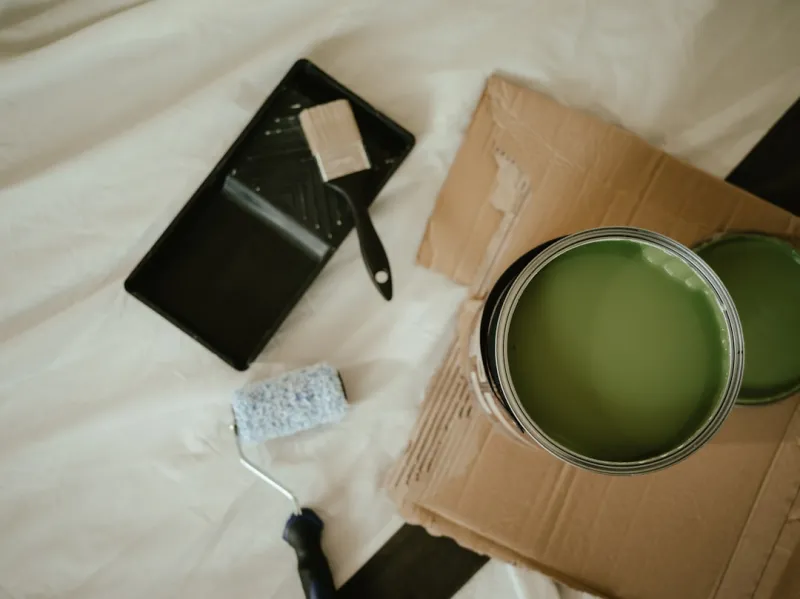
The Power of Paint: How Sustainable Home Painting Can Transform Your Space
Sustainable home painting is a great way to transform your space while reducing your environmental i... Read More

The Transformative Power of Home Painting: A Personal Journey
Explore the psychological, eco‑friendly, and resale advantages of painting your home, with insider... Read More
Top Posts
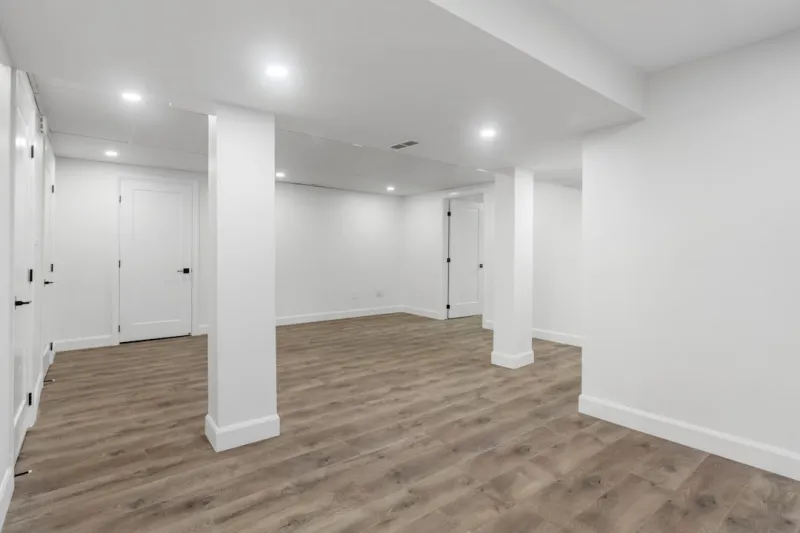
Unearthing Potential: How a Basement Renovation Can Transform Your Home
Your basement is more than just storage; it's untapped potential. Learn from Lifan Chen how a strategic basement renovation can add significant value and create...Read More

Reimagining Home Restoration: Modular, Data‑Driven Solutions for Historic Homes
A deep dive into how modular restoration kits, reclaimed materials, and connected moisture sensors are revolutionizing historic home restoration, delivering fas...Read More

Breathing New Life into Vintage Windows: A Restoration Blueprint
Restoring vintage windows blends heritage preservation with modern performance. This guide walks you through assessment, material selection, step‑by‑step re...Read More

Predictive Permit Intelligence: Turning Data Into Faster Project Starts
A data‑driven approach to construction permits can reveal hidden bottlenecks, reduce idle time, and transform regulatory uncertainty into a strategic advantag...Read More
0 Comments
Post Comment
You will need to Login or Register to comment on this post!