

Why Modern Windows & Doors Are Becoming the Unsung Heroes of Commercial Real Estate
When I first started cutting timber for storefronts, a window was just a pane of glass and a door was a slab of oak. Fast‑forward a couple of decades, and the same elements have turned into data‑rich, energy‑saving, brand‑defining platforms. If you still think of windows and doors as static fixtures, you’re missing out on a strategic asset that can boost occupancy rates, lower operating costs, and even generate new revenue streams.
The Data Goldmine Hidden Behind Every Frame
Every time a sensor‑equipped window opens, closes, or adjusts its tint, it’s sending a tiny burst of information back to the building management system. Over weeks and months that data builds a picture of:
- Peak occupancy times for specific zones
- Solar gain patterns that affect HVAC loads
- Security events—forced entry attempts, door‑hold times, and more
When you aggregate this data with other building systems, you can predict when a conference room will be over‑crowded, or identify a section of façade that consistently lets in excess heat. The insight isn’t just “nice to have”; it’s a lever you can pull to optimize space utilization and cut energy spend.
From Passive Barriers to Active Revenue Channels
Think about a high‑traffic retail corridor. Traditional glass storefronts are beautiful, but they rarely do more than showcase merchandise. Today, dynamic glazing can double as a digital billboard. With programmable electrochromic glass, you can shift from clear to a semi‑transparent state and project branded content directly onto the window surface. Tenants love the added visibility, and landlords can monetize the ad space on a per‑impression basis.
Doors, too, have evolved. Smart access points can integrate with subscription services, allowing you to charge for premium entry times, exclusive lounge access, or even on‑demand climate control. Imagine a coworking space where members can reserve a “temperature‑controlled pod” and the door’s firmware automatically adjusts the surrounding HVAC set‑point when the pod is occupied.
Energy Savings That Pay for Themselves
According to industry benchmarks, high‑performance windows can reduce heating and cooling loads by up to 30 %. When you pair low‑U‑value glazing with automated shading, the building’s HVAC system doesn’t have to work overtime during scorching summer afternoons. The result? Lower utility bills, a smaller carbon footprint, and a stronger ESG narrative that attracts environmentally conscious tenants.
Doors equipped with air‑tight seals and intelligent draught detection cut infiltration losses dramatically. Even a small gap of 1 mm around a commercial entry can waste as much as 5 % of a building’s heating energy over a year. Upgrading to smart, self‑adjusting door sweeps can turn that loss into a net gain.
Security Meets Seamlessness
Gone are the days of bulky deadbolts and endless key chains. Modern access control integrates facial recognition, RFID, and mobile‑based credentials directly into the door frame. The same hardware can also feed real‑time alerts to security teams, flagging tailgating attempts or abnormal usage patterns.
What’s more, these systems can talk to the building’s lighting and HVAC. If a door remains open for longer than a preset threshold, lights dim automatically and the HVAC ramps down, preventing unnecessary energy waste while also signaling a potential security breach.
Design as a Brand Statement
In a world where first impressions are often made through glass, the aesthetic choices you make with windows and doors are as much about branding as they are about function. A sleek, frameless glass façade signals modernity and transparency, while a warm, reclaimed‑wood door can convey heritage and craftsmanship. The key is to align the visual language of your fenestration with the story you want your brand to tell.
For those looking to blend performance with storytelling, consider a quiet comfort design approach. By selecting glazing that filters out harsh UV while preserving natural daylight, you create spaces that feel both inviting and productive—an environment that employees and visitors alike will appreciate.
Maintenance: From Reactive to Predictive
Historically, window and door maintenance was reactive: a seal fails, a pane cracks, and you call a contractor. Today, built‑in sensors can predict failures before they happen. A humidity sensor inside a double‑glazed unit can detect seal degradation, prompting a maintenance ticket before condensation becomes visible.
Integrating these alerts with a smart foundation tech platform ensures that the same predictive engine that watches your building’s footings also monitors the health of your fenestration. The result is a unified maintenance dashboard that reduces downtime and extends the useful life of your assets.
Case Study: Turning a Stagnant Lobby into a Dynamic Experience Hub
A recent retrofit project for a downtown office tower demonstrated the power of rethinking windows and doors. The building’s lobby featured a traditional glass curtain wall that offered abundant daylight but suffered from glare and high cooling loads. The owners partnered with a façade tech firm to install:
- Electrochromic glass that auto‑tints based on solar intensity
- Interactive door panels that display real‑time occupancy stats for nearby conference rooms
- Integrated air‑quality sensors that trigger HVAC adjustments when CO₂ levels rise
Within six months, the lobby’s energy consumption dropped by 22 %, tenant satisfaction scores rose by 15 points, and the building generated an additional $45,000 in ad revenue from the interactive glass displays. The transformation proved that windows and doors are not merely passive components—they’re active contributors to a building’s financial health.
Practical Steps to Future‑Proof Your Fenestration
Ready to turn your windows and doors into strategic assets? Here’s a quick playbook:
- Audit Existing Assets: Catalogue each unit’s age, performance rating, and sensor capabilities.
- Define Business Goals: Are you targeting energy savings, revenue generation, security, or brand enhancement?
- Choose the Right Tech Stack: Look for glazing that offers programmable tint, doors with built‑in access control, and sensors that integrate with your BMS.
- Partner with a Specialist: A façade consultant can help you balance aesthetics, performance, and cost.
- Implement Predictive Maintenance: Connect fenestration sensors to a unified maintenance platform for early‑warning alerts.
- Measure and Iterate: Track KPIs—energy use intensity (EUI), tenant satisfaction, and ad revenue—to gauge ROI.
Remember, the goal isn’t just to replace an old window with a newer one; it’s to embed intelligence into the very envelope of your building.
Looking Ahead: The Next Wave of Intelligent Fenestration
The next frontier lies in context‑aware windows that not only react to sunlight but also learn from occupancy patterns. Imagine a system that anticipates a meeting in a conference room, pre‑cools the space, and adjusts the surrounding glazing to reduce glare—all without a single manual input. As AI and edge computing become more accessible, these capabilities will shift from “nice‑to‑have” to “standard‑issue” in premium commercial properties.
In the meantime, even modest upgrades—like swapping out single‑pane units for double‑glazed, low‑emissivity glass, or retrofitting doors with smart locks—can deliver tangible benefits. The key is to view every window and door as a living component of your building ecosystem, capable of learning, adapting, and driving value.
Final Thoughts
Windows and doors have always been the face of a building, but they’re no longer just the face. They’re data collectors, energy managers, security guardians, and brand ambassadors. By treating them as strategic assets, you can unlock cost savings, new revenue streams, and a competitive edge that resonates with tenants, investors, and the broader market. The next time you walk through a portal, ask yourself: is this just a passage, or is it a platform for growth?

Paul Gray is a dynamic blogger based in Brampton, where he shares his life with his amazing wife, Sarah. Known for his engaging writing style and relatable insights, Paul has carved out a niche in the blogging world that resonates with readers from all walks of life. When he's not crafting captivating posts, you can find him savoring a cold beer or indulging in the latest blockbuster movie. With a friendly demeanor and a passion for storytelling, Paul brings a unique perspective to his work, making him not just a blogger, but a voice for those who appreciate the simple joys of life.
Related Posts
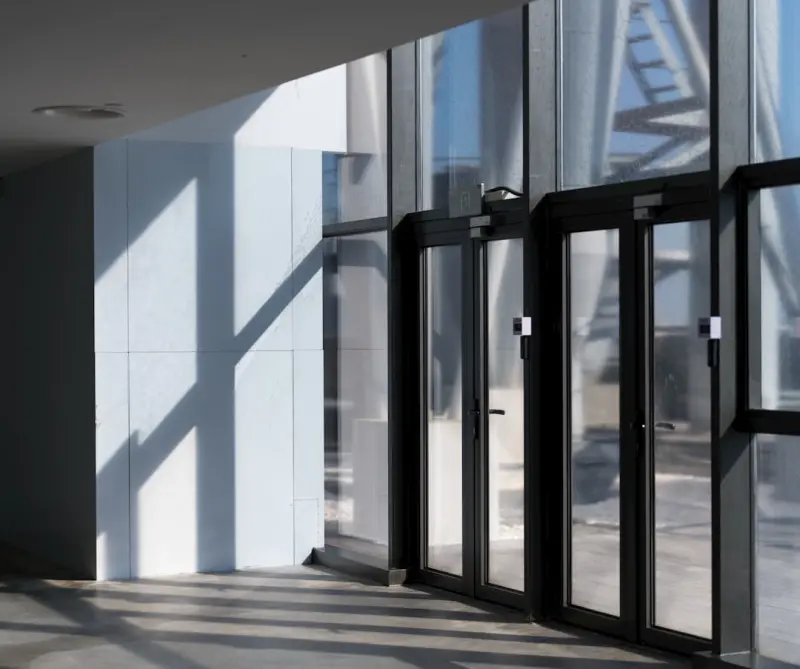
The Rise of Adaptive Door Systems: Blending Security, Sustainability, and Seamless Design
Adaptive doors are evolving from static barriers into intelligent, energy‑saving, and design‑fle... Read More
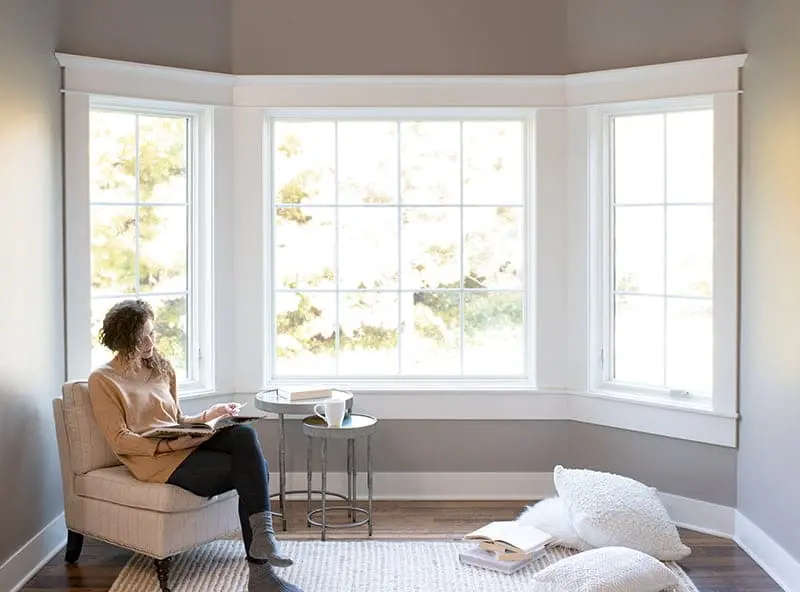
How Windows and Doors Shape Your Home’s Health and Comfort
Explore the hidden ways windows and doors influence indoor air flow, natural light, and health—pra... Read More
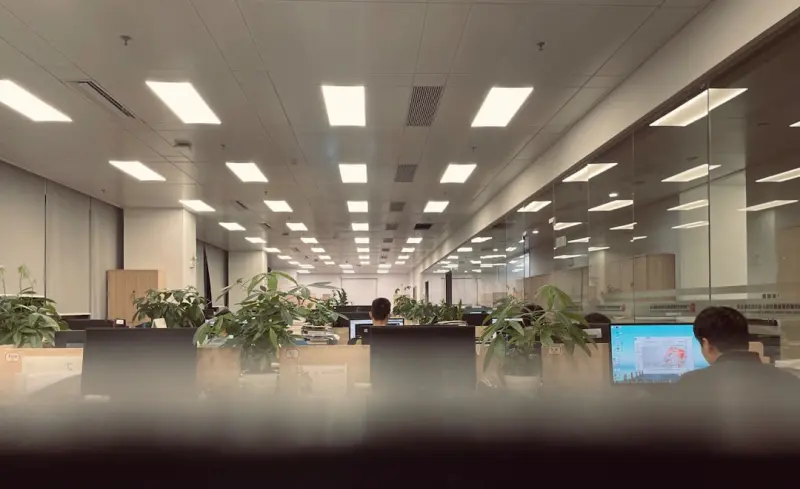
Quiet Zones: Turning Noise‑Heavy Offices into Productivity Hubs with High‑Performance Windows and Doors
A deep dive into how modern acoustic glass, sealed frames, and solid‑core doors can reduce office ... Read More
Top Posts

Turning Red Tape into Green Light: The New Era of Construction Permits
Construction permits are no longer a bureaucratic hurdle but a strategic advantage. This post explores how digital platforms, AI, and BIM integration streamline...Read More
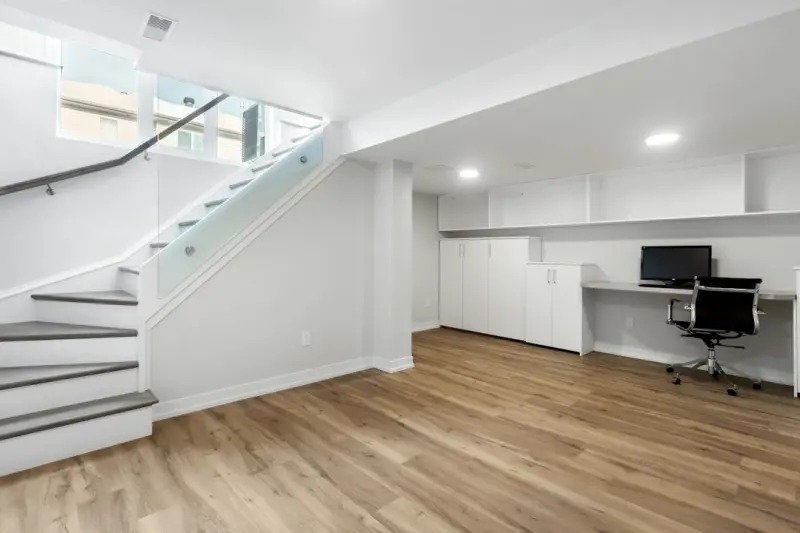
Unlocking Hidden Potential: Transform Your Basement Into a High‑Performance Space
A comprehensive guide to turning neglected basements into flexible, energy‑smart, and income‑generating areas, covering assessment, design, smart tech, mate...Read More

Choosing the Perfect Countertop for a Sustainable, Smart Kitchen
Explore the best sustainable countertop materials, from quartz to reclaimed wood, and learn how smart features and smart maintenance can extend their life while...Read More

Reimagining Your Garage: From Parking Spot to Multi‑Purpose Powerhouse
A garage can be more than a place for cars—it can become a workshop, gym, or organized storage hub. Learn practical strategies for flooring, lighting, power, ...Read More
0 Comments
Post Comment
You will need to Login or Register to comment on this post!