
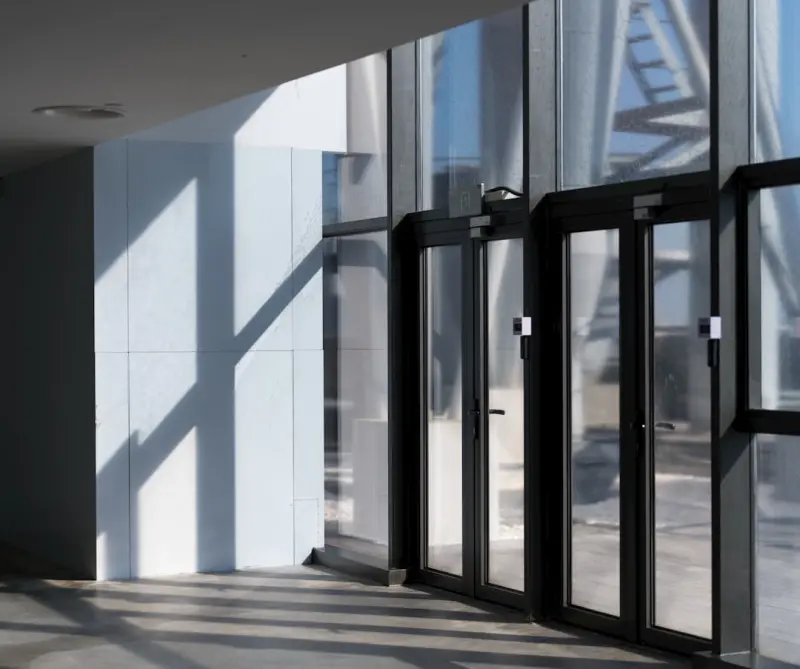
Why Doors Matter More Than Ever
When you think about the first impression a building makes, most of us picture the façade, the lobby lighting, or that perfectly framed view from a floor‑to‑ceiling window. Yet, the humble door often plays the starring role in that first handshake between occupant and space. It’s the literal gateway that decides who gets in, who stays out, and how the environment inside behaves once the door is closed.
In my ten years of consulting on commercial fit‑outs and residential remodels, I’ve watched doors evolve from static, purely functional panels to dynamic, data‑driven assets. The modern door can secure a property, regulate temperature, enhance acoustics, and even communicate with building‑wide management systems. This shift is less about tech gimmicks and more about a holistic approach to performance, sustainability, and user experience.
The Three Pillars of Adaptive Door Systems
What makes a door “adaptive”? In my view, it’s the seamless integration of three core capabilities:
- Security Intelligence – Biometric scanners, AI‑driven video analytics, and cloud‑based access logs that adapt to threat levels in real time.
- Thermal & Acoustic Performance – Materials and seals that respond to weather conditions, reducing HVAC loads while keeping unwanted noise at bay.
- Design Flexibility – Modular panels, pivot mechanisms, and transparent sections that can reconfigure a space on demand, blurring the line between interior and exterior.
When these pillars work together, a door stops being a passive barrier and becomes an active participant in the building’s overall health and productivity.
Security Intelligence: From Keys to Cognition
Remember the first time you tried a key on a deadbolt that just wouldn’t turn? That frustration is a relic of an era when security was a one‑size‑fits‑all affair. Today, adaptive doors employ cognitive security – a blend of hardware and software that learns the habits of occupants.
Take facial recognition that cross‑references with a central employee database, for instance. When a known face approaches, the door unlocks in a split second. If an unfamiliar face lingers, the system can trigger a temporary lockdown or request a secondary verification method. All of this occurs in the cloud, meaning updates roll out without a technician ever stepping foot on site.
For businesses, the payoff is clear: reduced tail‑gate incidents, streamlined visitor management, and a comprehensive audit trail that satisfies compliance standards. For homeowners, it means never having to hide a spare key under a doormat again – an especially comforting thought for families with children or pets.
Thermal & Acoustic Performance: The Quiet Hero of Energy Savings
Doors are often the weakest link in a building’s envelope. A single poorly sealed entry can account for up to 30% of heat loss in winter and a comparable gain in summer. Adaptive doors combat this with dynamic sealing technology. Sensors embedded in the frame detect temperature gradients and automatically adjust compression strips, ensuring a tight seal without sacrificing ease of use.
But it’s not just about temperature. Open‑plan offices and multi‑family residences alike suffer from noise bleed – the hum of a hallway, street traffic, or the clatter of a kitchen. New acoustic panels made from recycled PET fibers can be swapped in as part of a door’s modular skin, providing up to 15 dB of additional sound attenuation. The result? A quieter, more focused environment that boosts productivity and wellbeing.
Design Flexibility: When a Door Becomes a Moving Wall
One of my favorite projects was a boutique hotel that wanted to offer guests a “room‑to‑garden” experience without sacrificing privacy. We installed a series of pivot doors that could swing a full 180°, turning the entire wall into an open patio during daylight hours. By day, the room feels like an extension of the outdoor space; by night, a sleek, insulated barrier restores privacy and thermal control.
This flexibility isn’t limited to hospitality. Retail spaces can use sliding glass doors that transition from a storefront to a private conference area. Residential lofts can swap a solid core panel for a frosted glass insert at the touch of a button, instantly shifting from a bright living area to a more intimate setting.
Materials Matter: The Rise of Sustainable Frames
Historically, aluminum has dominated commercial door frames for its strength and low maintenance. However, traditional aluminum conducts heat, leading to condensation and energy inefficiency. The industry’s answer? Thermal‑break aluminum, which inserts a non‑conductive polymer between the inner and outer skins of the frame. This simple change can cut thermal transfer by up to 60% while preserving the sleek, modern aesthetic designers love.
For eco‑conscious projects, reclaimed wood doors have made a comeback, but with a twist: they’re engineered with hidden steel reinforcements, delivering the warmth of timber without compromising fire safety or durability. Pair that with low‑VOC finishes, and you have a door that scores high on both green building certifications and occupant comfort.
Integrating with Building Management Systems (BMS)
Adaptive doors are not isolated devices; they’re nodes in a larger IoT network. By feeding data to a building’s central management system, doors can:
- Trigger HVAC adjustments when a high‑traffic entry is opened, pre‑conditioning spaces for occupancy.
- Send alerts if a door remains open longer than a predefined threshold, preventing energy waste.
- Coordinate with lighting controls, dimming or brightening zones based on door status.
These integrations create a virtuous cycle: smarter doors lead to smarter buildings, which in turn generate richer data to further refine door performance.
Case Study: Adaptive Doors in a Co‑Working Hub
One of our recent collaborations involved a fast‑growing co‑working brand that needed to accommodate both private offices and open collaboration zones. The solution was a suite of electro‑chromic glass doors that could transition from transparent to opaque with a single command. When a private office needed visual focus, the door turned opaque, reducing visual distraction. When the team wanted to host a community event, the doors cleared, opening the space up instantly.
Because the doors were tied to the hub’s occupancy sensors, the system automatically adjusted the building’s lighting and HVAC setpoints, resulting in a 12% reduction in monthly energy costs. The client reported higher satisfaction scores among members, citing “the ability to control my environment with just a tap” as a top perk.
Future Trends: What’s on the Horizon?
Looking ahead, I see three exciting developments that will push adaptive doors even further:
- Energy Harvesting Frames – Integrated photovoltaic strips that capture sunlight on exterior surfaces, feeding power back into the door’s electronics and the building’s micro‑grid.
- Predictive Maintenance AI – Algorithms that analyze vibration, motor current, and usage patterns to predict when a latch or motor will fail, scheduling service before a breakdown occurs. (If you’re curious about how predictive tools are reshaping property upkeep, check out Predictive Property Maintenance.)
- Biophilic Integration – Doors that incorporate living moss panels or vertical garden inserts, improving indoor air quality while delivering a calming visual experience.
These innovations will blur the line between architecture, technology, and nature, turning every entryway into a living, breathing component of the built environment.
Practical Steps for Decision‑Makers
If you’re contemplating an upgrade to adaptive door systems, here’s a concise roadmap:
- Audit Your Current Envelope – Identify doors with poor seals, outdated hardware, or high traffic volumes.
- Define Performance Goals – Are you prioritizing security, energy savings, acoustic comfort, or design flexibility? Set measurable targets (e.g., reduce HVAC load by 8%).
- Choose the Right Platform – Look for vendors that offer open APIs, ensuring your doors can speak to existing BMS or future IoT layers.
- Pilot a High‑Impact Zone – Install adaptive doors in a flagship area (like a main entrance or executive suite) to gather data before a full rollout.
- Measure, Iterate, Scale – Use analytics dashboards to track door usage, energy impact, and security events. Adjust settings and expand the program based on real‑world performance.
Remember, the goal isn’t just to install a fancy piece of hardware; it’s to embed intelligence into the very way people move through and experience a space.
Connecting the Dots: Doors, Windows, and the Whole Envelope
While today’s focus is on doors, they don’t operate in isolation. An adaptive door paired with smart windows creates a synergistic envelope that can dynamically balance light, heat, and airflow. For inspiration on how windows can be revitalized, see Breathe New Life Into Vintage Windows. Together, doors and windows become a coordinated system that elevates comfort, cuts costs, and tells a compelling story about a building’s commitment to innovation.
Final Thoughts: Doors as Strategic Assets
In the era of smart buildings, doors have finally earned their place at the strategic table. They are no longer simple entry points; they are adaptive platforms that enhance security, drive energy efficiency, and unlock design possibilities that were once the realm of imagination. By embracing these technologies now, owners and operators can future‑proof their assets, delight occupants, and set a new benchmark for performance.
If you’re ready to explore how adaptive door systems can transform your next project, let’s start a conversation. The future of entryways is already knocking – it’s up to you to answer.

Kelly Reynolds is a dynamic freelance writer hailing from the picturesque landscapes of Alberta. A master of the written word, she juggles her passion for storytelling with the exhilarating chaos of being a mother to five spirited children. With an impressive portfolio that spans various genres, Kelly captivates readers through her engaging blog posts and thought-provoking articles.
Related Posts

Unlocking the Future: How Smart Windows and Doors Redefine Home Living
Explore the latest innovations in windows and doors—dynamic glass, smart locks, acoustic insulatio... Read More
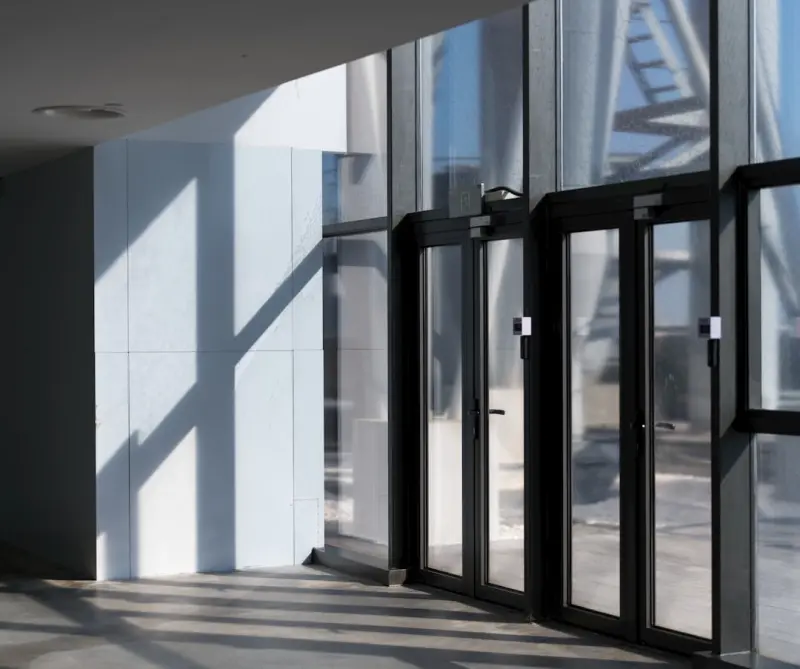
Smart Entryways: How Connected Windows & Doors Redefine Building Performance
This article examines the shift from static doors and windows to intelligent, sensor‑rich entry po... Read More
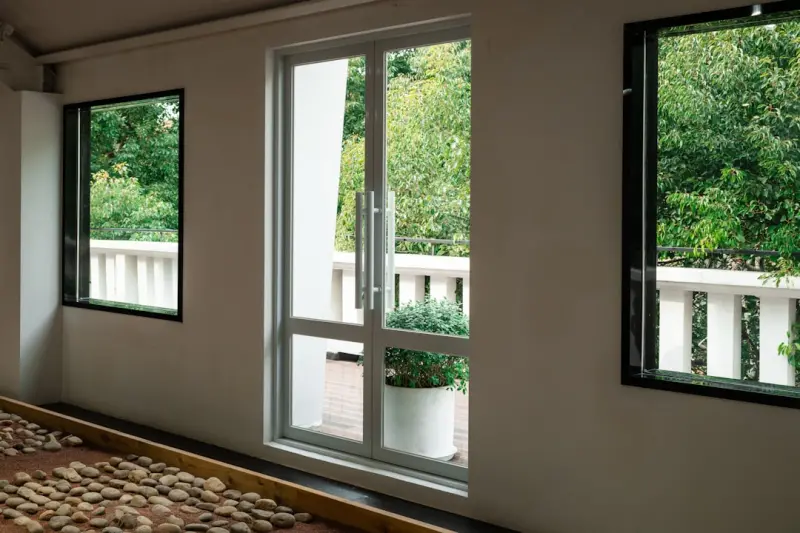
From Frame to Function: Rethinking Windows & Doors for a Circular Future
A circular fenestration strategy transforms windows and doors from disposable components into reusab... Read More
Top Posts

Transforming Bathrooms into Personal Wellness Sanctuaries
Explore a fresh, wellness‑centric approach to bathroom remodels, integrating smart water-saving fixtures, spa‑style features, mood lighting, and universal d...Read More

From Clutter to Competitive Edge: Leveraging Modular Storage
A data‑centric, modular approach to closet and storage management can transform wasted space into a strategic asset, cutting search time, reducing duplication...Read More

Handyman Hacks: Building a DIY Workshop and Mastering Everyday Repairs
Learn how to set up a budget-friendly workshop, choose essential tools, and master quick repairs that boost home value and confidence....Read More

Designing Spaces That Breathe: A Multisensory Approach to Modern Interiors
Discover a fresh interior design philosophy that blends nature, color psychology, smart lighting, and adaptable furniture to craft spaces that engage sight, tou...Read More
0 Comments
Post Comment
You will need to Login or Register to comment on this post!