
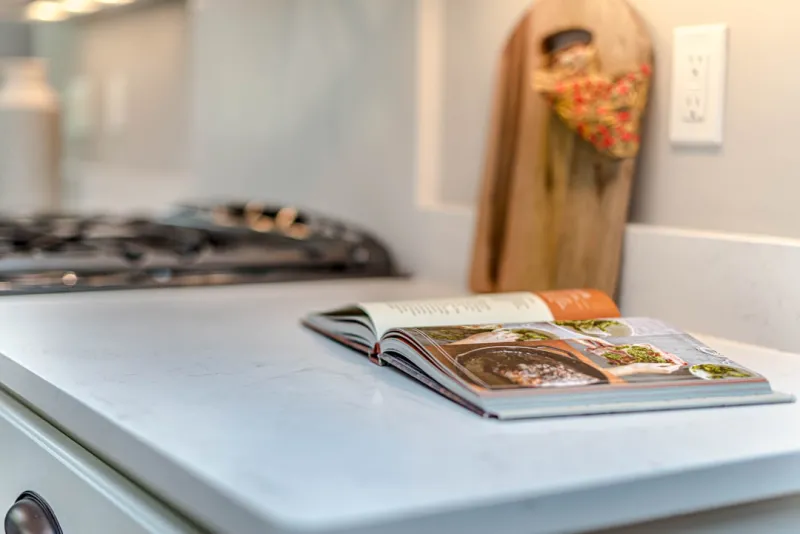
Why the Right Countertop Can Make or Break Your Sustainable Kitchen
When I first tore out the old laminate in my kitchen, I realized that the countertop is more than a work surface; it’s the silent ambassador of a home’s values. Choosing a material that balances durability, aesthetics, and environmental impact sets the tone for every other design decision. I spent weeks testing samples, weighing the carbon footprint of production against the longevity of each option, because a countertop that lasts a decade is a greener choice than one that needs replacement in five. This mindset has guided my own projects, and it’s why I now champion surfaces that serve both the planet and the homeowner’s daily rhythm.
Quartz: The Modern Classic with a Sustainable Edge
Quartz has become the go‑to for many homeowners, and for good reason. Engineered from natural stone and recycled glass, it offers a consistent look while reducing quarry waste. In my kitchen remodel, I opted for a brand that sources silica responsibly and uses a closed‑loop water system during manufacturing. The result is a surface that resists staining, requires no sealing, and can survive the chaos of a busy family kitchen. When you pair quartz with a thoughtful renovation plan, you end up with a countertop that looks fresh for years without the chemical cleaners that often accompany other surfaces.
Concrete Countertops: Industrial Chic Meets Eco‑Conscious Design
Concrete countertops have surged in popularity, and I’m quick to point out why they deserve a spot in sustainable design conversations. By incorporating locally sourced aggregates and reclaimed wood forms, you can cut transportation emissions and give new life to discarded materials. I love the tactile feel of a polished concrete slab, especially when I embed reclaimed river stones that tell a story of the landscape itself. Properly sealed with low‑VOC sealers, concrete becomes water‑resistant and food‑safe, rivaling traditional stone in performance while boasting a lower embodied energy. For inspiration on integrating concrete with other green elements, check out the latest concrete trends guide.
Butcher Block: Warmth, Renewal, and the Power of Reclaimed Wood
There’s a reason many of us fall in love with the natural grain of wood; it brings warmth that no synthetic surface can mimic. By sourcing reclaimed lumber from deconstructed barns or old pallets, you not only reduce demand for fresh timber but also add a narrative layer to your kitchen. I treated my own butcher‑block top with a food‑grade, plant‑based oil that protects without harmful solvents. Regular oiling extends the life of the wood, turning what some see as a maintenance chore into a mindful ritual that connects you to your space. When the surface shows wear, a quick sand‑and‑re‑oil revives it, proving that a well‑cared‑for wood countertop can outlast many “forever” materials.
Solid Surface: Versatility with a Green Twist
Solid surface materials, such as acrylic‑based blends, offer seamless integration of sinks and backsplashes, which reduces seams where bacteria can hide. The production process can incorporate up to 30% post‑consumer recycled content, making it a respectable choice for eco‑savvy remodels. In my experience, the key is selecting a brand that publishes transparent lifecycle assessments. The surface can be thermoformed into curved designs, allowing for creative island shapes that enhance workflow without adding extra material waste. Pairing solid surface countertops with energy‑efficient appliances creates a cohesive sustainable kitchen ecosystem.
Integrating Smart Features Without Sacrificing Sustainability
Smart kitchens are no longer a futuristic fantasy; they’re here, and the countertop is the perfect platform for subtle technology. I embedded inductive charging pads beneath a quartz slab, using a low‑profile copper coil that doesn’t interfere with the material’s integrity. Hidden LED strip lighting along the backsplash provides ambient illumination while consuming minimal power thanks to motion sensors. These upgrades enhance convenience and reduce the need for additional plugs and cords, streamlining the kitchen’s energy use. For a broader view of how smart living dovetails with green design, the Design‑Build Mastery article offers practical insights.
Maintenance Strategies That Extend Countertop Lifespan
Even the most sustainable countertop will falter without proper care. I keep a simple routine: wipe spills immediately, use cutting boards to protect the surface, and avoid abrasive cleaners that can erode sealants. For quartz, a mild dish soap and soft cloth suffice; for concrete, a pH‑neutral cleaner maintains the protective seal. Wood surfaces benefit from weekly oiling, while solid surface tops can be polished with a non‑abrasive compound to restore shine. By treating maintenance as an opportunity to check for wear, you can catch minor issues before they become costly repairs, reinforcing the sustainability loop.
Cost Considerations: Investing Wisely for Long‑Term Gains
Budget constraints often dictate material choices, but viewing countertops through a life‑cycle cost lens changes the conversation. While quartz may have a higher upfront price than laminate, its durability reduces replacement costs and the associated waste. Concrete can be cost‑effective when you source local aggregates and DIY the pour, turning the project into a rewarding hands‑on experience. Reclaimed wood can be inexpensive if you’re willing to hunt for salvaged pieces and apply your own finish. The key is balancing initial outlay with the projected lifespan, maintenance needs, and resale value boost that a thoughtfully chosen countertop provides.
Final Thoughts: Let Your Countertop Tell Your Sustainable Story
At the end of the day, the countertop is a canvas for your home’s narrative. Whether you gravitate toward the sleek uniformity of quartz, the raw honesty of concrete, the comforting grain of reclaimed wood, or the adaptable nature of solid surface, each option offers a path to a greener, smarter kitchen. My own journey has taught me that the best choices arise from a blend of research, personal taste, and a commitment to reducing environmental impact. Choose a surface that not only serves your cooking needs but also aligns with the broader goal of sustainable living, and you’ll find that the heart of your home beats a little greener with every meal prepared.

David MacKinnon is a dynamic freelance writer known for his captivating storytelling and keen insights into the world of technology. With a passion for exploring the intersection of innovation and everyday life, he crafts engaging narratives that not only inform but also inspire his readers.
Related Posts
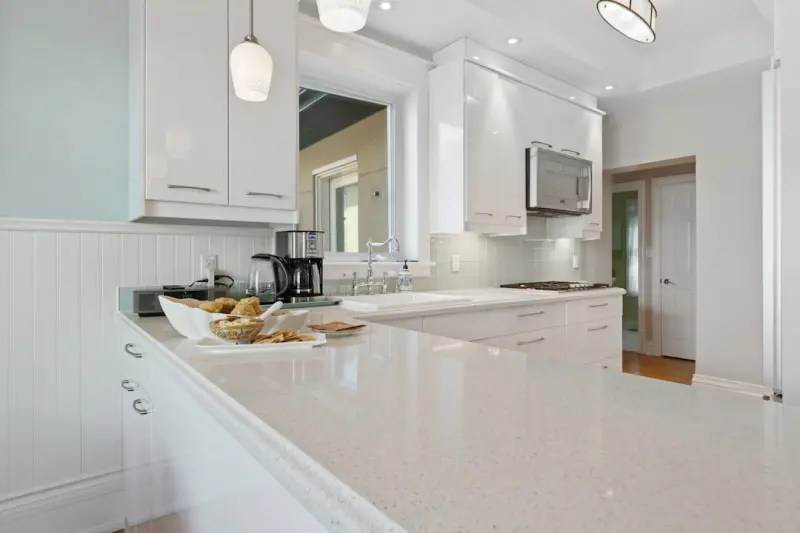
Countertops Reimagined: From Passive Slabs to Smart, Sustainable Kitchen Hubs
Modern countertops are evolving from static work surfaces into dynamic, health‑centric, and energy... Read More
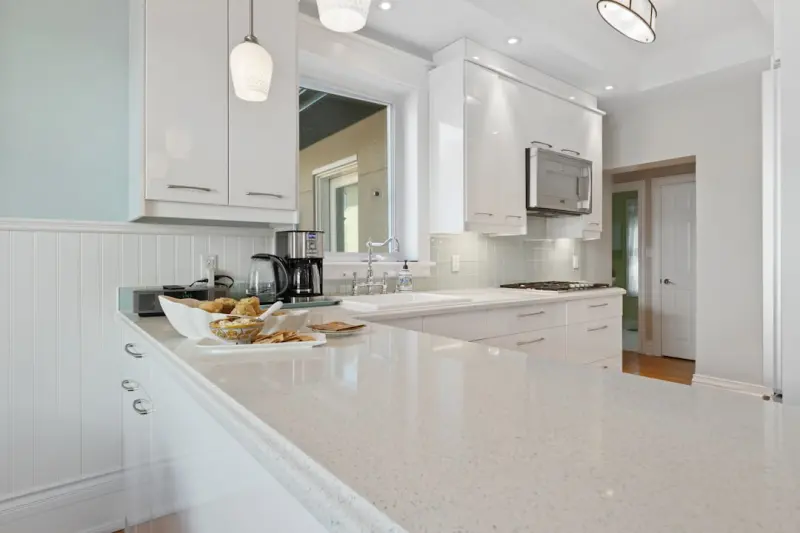
Why Your Countertop Edge Matters More Than You Think
Explore the hidden benefits of countertop edge designs, from ergonomic comfort and hidden storage to... Read More
Countertop Conversations: How Surface Choices Shape Kitchen Life
Countertops are more than just a place to set a mug; they affect health, sustainability, and daily w... Read More
Top Posts
Rediscovering Handcrafted Joinery: Why the Needle‑Nose Still Matters
A deep dive into the resurgence of hand‑cut joinery, showing how reclaimed timber, ergonomic workshops, and selective use of digital tools empower modern wood...Read More

Designing Sustainable Paving: From Permeable Paths to Smart Surfaces
A fresh look at paving that blends sustainability, design, and smart tech, offering practical steps for durable, climate‑smart outdoor surfaces....Read More

Quiet Comfort: Designing Homes That Listen to Your Lifestyle
A deep dive into acoustic‑friendly home construction, covering mass, isolation, and absorption techniques, cost considerations, and future smart sound‑contr...Read More

Insulation Unlocked: Turning a Hidden Layer into a Strategic Advantage
Insulation isn’t just about R‑values; it’s a health shield, carbon reducer, and data‑rich asset. This post reveals new performance metrics, biogenic opt...Read More
0 Comments
Post Comment
You will need to Login or Register to comment on this post!