
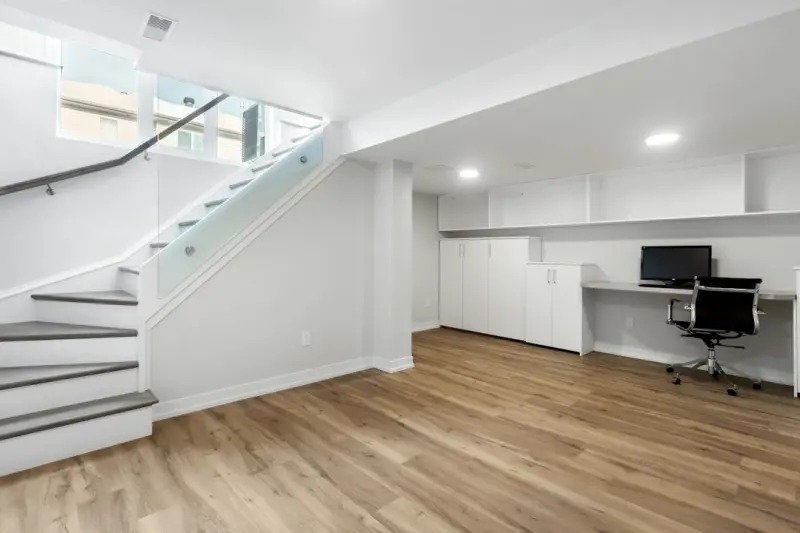
Why Basements Matter More Than You Think
When most homeowners glance at the square footage of a house, the basement is the quiet sibling that gets counted but rarely celebrated. Yet, that subterranean slab holds a unique combination of untapped space, structural stability, and climate control that can become a game‑changer for both livability and resale value. I’ve spent the last decade turning dark, damp pits into vibrant, revenue‑generating hubs, and the pattern is clear: the smarter you design the below‑ground environment, the more it pays back in comfort, efficiency, and cash flow.
Assessing the Underground Canvas
Before you even think about paint colors or furniture layouts, you need a forensic look at the existing conditions. Here’s my three‑step audit that keeps surprises to a minimum:
- Structural Integrity: Verify that the foundation walls are crack‑free and that the floor joists are properly anchored. A structural engineer’s report may feel like an extra cost, but it’s a safeguard against future settlement issues.
- Moisture Baseline: Use a hygrometer to log relative humidity for 48‑72 hours. Consistently high readings (>60%) signal the need for a robust waterproofing strategy before any finishes go on.
- Ventilation & Airflow: Basements are notorious for stale air. Map existing vents, exhaust fans, and any natural egress points. This will inform your Passive House Principles‑inspired ventilation plan later on.
Designing for Flexibility and Future‑Proofing
The smartest basements are built like modular platforms: you can slot in a home office today, a gym tomorrow, and a short‑term rental suite the year after. I achieve this by:
- Open‑Plan Framing: Leaving a generous, column‑free area (or using engineered steel beams) gives you the freedom to re‑zone the space without structural headaches.
- Raised Flooring Grid: A 4‑inch raised floor with access panels lets you run electrical, plumbing, and data conduits beneath the surface. When you need a new wet bar or a wall‑mounted TV, the wiring is already there.
- Universal Wall Systems: Instead of drywall nailed directly to studs, I install lightweight metal studs with removable furring strips. This way, partitions can be added or removed with minimal demolition.
Energy Efficiency Below Ground
One of the most compelling arguments for a basement renovation is the energy‑saving potential. Earth‑sheltered spaces naturally stay cooler in summer and retain heat in winter, but you have to seal the envelope properly. My go‑to tactics include:
- Continuous Waterproof Membrane: A self‑adhesive, bituminous sheet that wraps the exterior of the foundation before back‑filling. This creates a moisture barrier that works in tandem with interior dehumidification.
- Insulated Concrete Forms (ICFs): If you’re starting from scratch, I love ICFs because they combine structural strength with R‑15 to R‑20 insulation values, dramatically reducing heating loads.
- Heat‑Recovery Ventilation (HRV): Pair an HRV with the smart woodworking finishes you’ll install later, and you’ll enjoy fresh air without sacrificing the warmth you’ve fought so hard to retain.
Smart Systems for Comfort and Control
Today’s basements aren’t just about bricks and plaster; they’re about data‑driven comfort. A few of my favorite smart upgrades include:
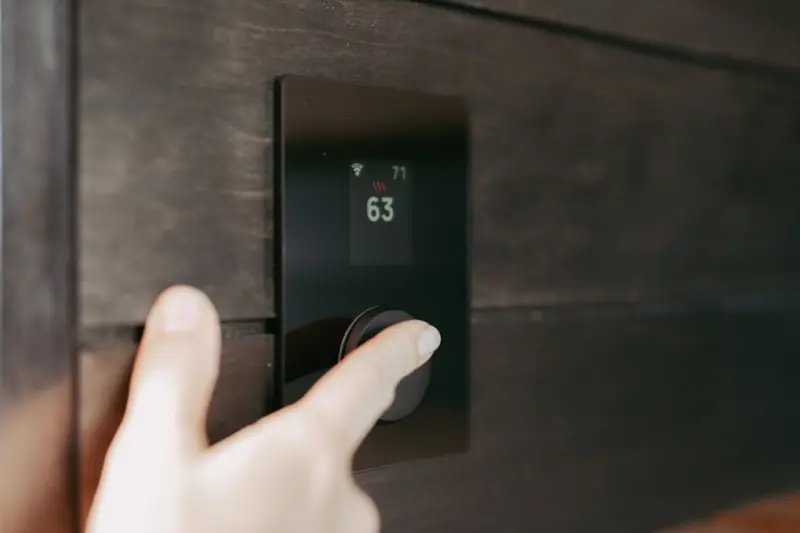
- Zoned HVAC: Install a dedicated mini‑split system for the basement with a separate thermostat. This isolates the underground climate from the rest of the house, letting you heat or cool only the space you’re using.
- Leak Detection Sensors: Wi‑Fi enabled moisture sensors placed at low points can alert you instantly if water starts creeping in, giving you a chance to act before a costly flood.
- Lighting Automation: Combine dimmable LED panels with motion sensors and daylight harvesting controls. The system learns occupancy patterns and adjusts illumination accordingly, saving energy while creating ambience.
Creating Value: From Home Office to Income‑Generating Suite
Think of the basement as a blank‑canvas for revenue streams. Here are three proven pathways that have consistently boosted appraisal values:
- Professional Home Office: With high‑speed fiber, sound‑absorbing wall panels, and ergonomic furniture, you can market the space to remote executives who need a “corporate‑grade” work environment.
- Fitness & Wellness Studio: Install rubber flooring, mirrored walls, and a compact HVAC unit. A small gym or yoga studio can be rented out to neighbors or used personally, adding both health benefits and rental income.
- Legal Short‑Term Rental Suite: Add a separate egress, a full bathroom, and a kitchenette. Many cities now allow accessory dwelling units (ADUs) in basements, turning the space into a steady cash flow source.
Each of these options benefits from the same underlying design philosophy: flexibility, compliance, and a focus on user experience.
Materials & Finishes That Play Well Below Grade
Choosing the right surfaces is more than an aesthetic decision; it’s a durability test. My material shortlist for a resilient basement includes:
- Luxury Vinyl Tile (LVT): Waterproof, low‑maintenance, and available in wood‑look finishes. It tolerates temperature swings better than traditional hardwood.
- Engineered Stone Countertops: Unlike natural stone, engineered options resist cracking when exposed to the cooler temperatures common underground.
- Acoustic Ceiling Tiles: Not only do they hide the ductwork, but they also absorb sound, making the space ideal for a home theater or podcast studio.
- Low‑VOC Paints: Basements often lack the ventilation of main floors, so using low‑volatile organic compound paints protects indoor air quality.
Navigating Codes and Permits with Confidence
One of the biggest roadblocks homeowners face is the labyrinth of local building codes. I’ve learned to treat permits as a roadmap rather than a hurdle. Here’s my cheat sheet:
- Egress Requirements: If you’re adding a bedroom or rental suite, the code demands a window or door that meets specific size and operability criteria. Double‑check the minimum clear opening dimensions.
- Fire Separation: A ½‑inch fire‑rated drywall between the basement and the living area is usually mandatory. In some jurisdictions, a fire‑rated door is also required for the egress.
- Plumbing and Electrical: Separate the wet bar’s plumbing lines from the main house’s supply to avoid cross‑contamination, and use GFCI‑protected circuits for all basement outlets.
When in doubt, a quick call to your local building department can save weeks of re‑work. And remember—most municipalities appreciate a well‑prepared plan set, so submit clear schematics and you’ll often get a faster turnaround.
Project Management Tips from My Toolbox
Renovating a basement is a marathon, not a sprint. The following habits have helped me keep projects on time and within budget:
- Scope Definition Workshop: Sit down with the homeowner (or yourself) and outline the exact functions the space will serve. A clear scope prevents scope creep later.
- Phased Budgeting: Break the total cost into “must‑have” and “nice‑to‑have” categories. If the budget tightens, you can defer the nice‑to‑haves without compromising structural integrity.
- Vendor Vetting: Use a shortlist of trusted subcontractors—electricians, plumbers, and flooring installers—who have proven track records with below‑grade projects.
- Daily Progress Log: A simple spreadsheet tracking completed tasks, pending items, and any issues encountered keeps everyone accountable.
Conclusion: Your Basement, Your Next Big Win
Basements are no longer the afterthought of the house; they’re the secret weapon for homeowners who want to blend sustainability, technology, and income generation in one cohesive package. By treating the underground space as a flexible, energy‑efficient platform, you unlock a world of possibilities that can increase property value, improve daily comfort, and even create a new revenue stream. Ready to dig in? The blueprint is in your hands—just remember to waterproof first, think modular, and let the data‑driven systems do the heavy lifting.

William Roy is a freelance writer originally from Montreal who moved to Ottawa with his wife of 50 years to be closer to their grandkids. Alongside his writing, William has a passion for fishing.
Related Posts
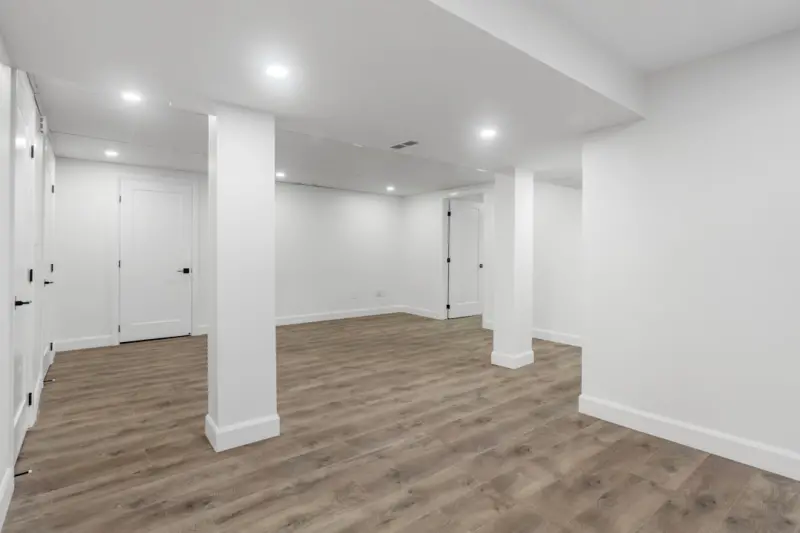
From Dark to Dynamic: Leveraging Basement Renovations for Scalable Business Spaces
Basements are often overlooked, but with modular construction, data‑driven comfort, and strategic ... Read More
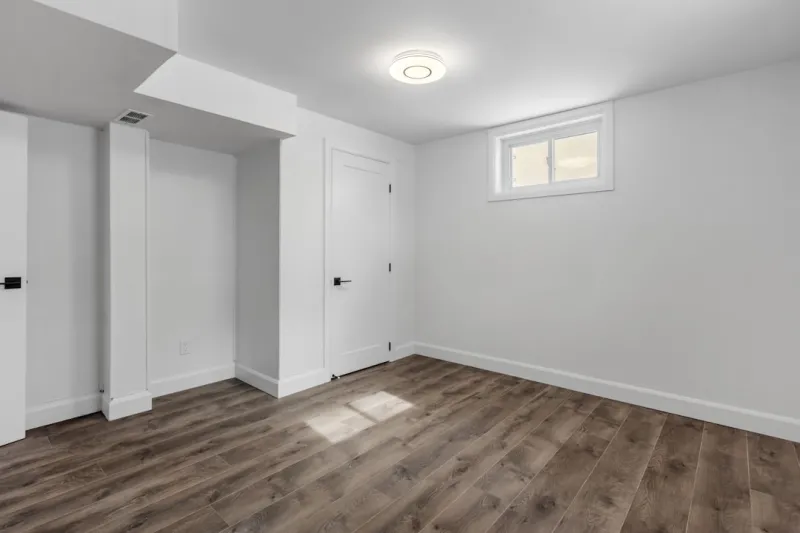
Transform Your Basement Into a Sustainable Smart Living Hub
Learn the step‑by‑step process to revamp your basement with sustainable materials, smart lightin... Read More
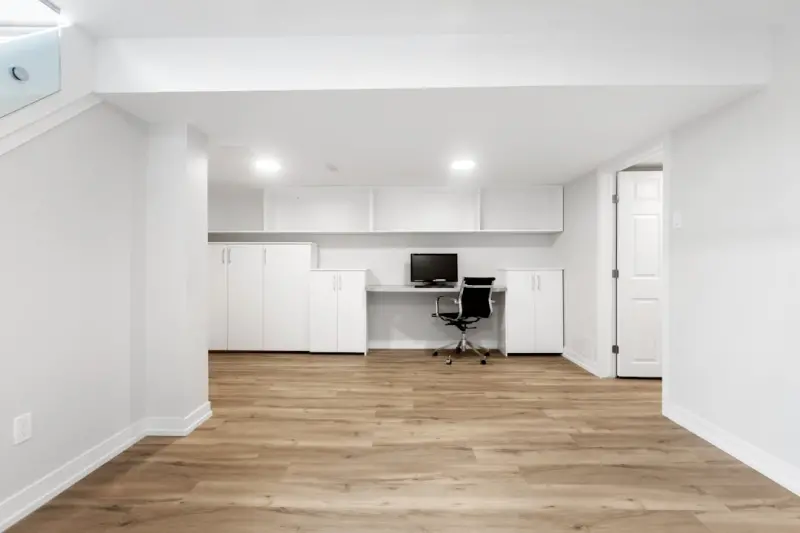
Transform Your Basement into a Multifunctional Entertainment Hub
Learn the step‑by‑step strategy to redesign your basement into a versatile entertainment spaceâ€... Read More
Top Posts
Warm Floors, Smart Homes: A Fresh Look at Choosing and Installing Floor Heating
Explore a fresh perspective on floor heating—learn to pick the right system for each space, DIY install with confidence, and pair it with smart tech for lasti...Read More

Unlocking the Hidden Potential of Your Garage: A Smart, Flexible Home Addition
A garage conversion can become a high‑impact home addition that boosts property value, improves health, and generates income. Learn modular design, smart infr...Read More

Crafting Competitive Edge: The Rise of Decorative Plaster in Commercial Spaces
Decorative plaster, once reserved for historic monuments, is now a strategic tool for modern businesses. This post explores how bespoke plaster finishes elevate...Read More

Transform Your Gazebo into a Year‑Round Wellness Retreat
Turn your garden gazebo into a cozy, all‑season sanctuary. Learn design tricks, modular additions, and sustainable upgrades that make outdoor living comfortab...Read More
0 Comments
Post Comment
You will need to Login or Register to comment on this post!