
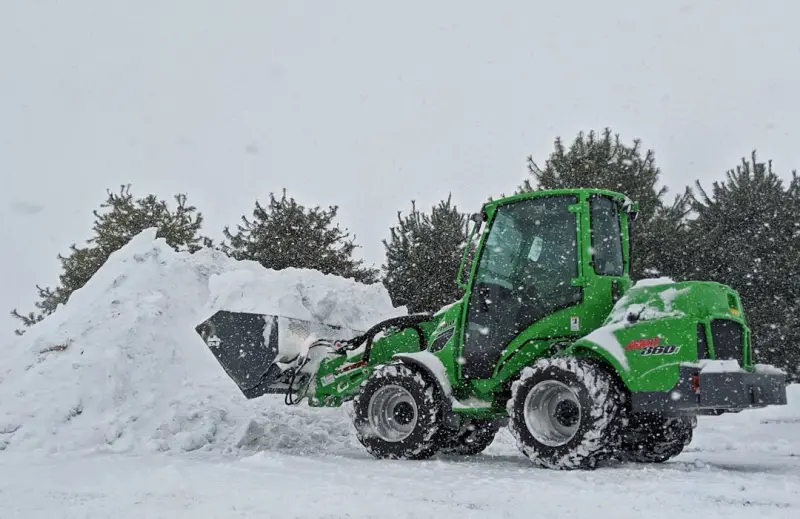
Winter’s white blanket can be beautiful, but for facility managers it often feels like an uninvited guest that refuses to leave. The classic image of a snowplow battling a mountain of drift is still romantic, yet it’s also inefficient, costly, and increasingly unsustainable. In today’s data‑driven world, snow removal is no longer just a seasonal chore—it’s a strategic operation that can be optimized, automated, and integrated into the broader asset management ecosystem. In this post, I’ll walk you through the emerging technologies, process shifts, and cultural changes that are turning snow removal from a reactive nightmare into a proactive, high‑performance capability.
Why Snow Removal Deserves a Strategic Lens
Most organizations treat snow removal as a line‑item expense: hire a contractor, pay for salt, and hope for the best. This “fire‑fighting” mindset ignores three critical realities:
- Safety risk: Slippery walkways and icy driveways are leading causes of workplace injuries during winter months.
- Operational downtime: Even a few hours of blocked entrances can cripple deliveries, affect employee punctuality, and disrupt customer experiences.
- Environmental impact: Over‑application of de‑icing chemicals contributes to runoff that harms local waterways and vegetation.
When you frame snow removal as a component of risk management, operational continuity, and sustainability, the opportunity to apply modern tools becomes evident.
IoT Sensors: The Eyes and Ears of the Winter Landscape
Imagine a network of low‑power sensors embedded in rooftops, parking lots, and critical pathways that continuously monitor temperature, precipitation intensity, and surface moisture. These devices feed real‑time data to a cloud platform, where algorithms translate raw numbers into actionable insights. For example, a sensor might detect that a particular lot’s surface temperature has dropped below 28°F (‑2°C) while precipitation is ongoing—a perfect trigger to dispatch a snow‑blowing robot or schedule a pre‑emptive de‑icing crew.
One inspiring case study comes from a city that deployed sensor‑embedded pavement to monitor traffic loads and surface conditions. The same technology can be repurposed for commercial campuses, allowing managers to allocate resources based on actual need rather than guesswork.
Predictive Analytics: From Reactive to Proactive
Data alone isn’t enough; you need the right analytics to turn it into foresight. By feeding historic weather patterns, snowfall accumulation rates, and past removal performance into a machine‑learning model, you can forecast the optimal time to start clearing a specific area. This is similar to the approach used in predictive HVAC management, where equipment is serviced before a failure occurs. In the snow context, predictive analytics helps you:
- Schedule crews during low‑traffic windows to minimize disruption.
- Determine the precise amount of brine or sand needed, reducing waste.
- Alert stakeholders—employees, tenants, visitors—through automated messaging platforms.
The payoff is measurable: reduced labor hours, lower chemical usage, and a noticeable dip in slip‑and‑fall incidents.
Autonomous Snow‑Removal Machines: The New Workhorse
Robotics has finally caught up with the winter challenge. Modern autonomous snow‑blowers and plows are equipped with LIDAR, GPS, and AI navigation stacks. They can map an area, identify obstacles, and adjust their speed and blade angle on the fly. Because they operate 24/7, they clear snow as it falls, preventing accumulation that would otherwise require massive manual effort later.
Key benefits include:
- Consistency: Machines follow the same path every time, ensuring even coverage.
- Safety: Operators stay in a control room, away from hazardous conditions.
- Scalability: A fleet of small robots can handle large campuses more flexibly than a single massive plow.
While the upfront investment can be higher than hiring a contractor, the total cost of ownership often balances out over a few winters thanks to reduced labor and chemical consumption.
Integrating Snow Management into a Facility‑wide Platform
Snow removal should not exist in a silo. Modern Computer‑Aided Facility Management (CAFM) platforms now support plug‑ins for weather data, sensor feeds, and maintenance schedules. By integrating snow‑related tasks into the same dashboard used for HVAC, lighting, and security, you gain a holistic view of winter operations.
For instance, when a sensor flags an icy patch near a loading dock, the CAFM system can automatically create a work order, assign it to the nearest robot, and send a notification to the logistics manager. The same platform can log the amount of brine used, tying it back to sustainability KPIs.
Sustainable De‑icing: Less Salt, More Smarts
Traditional de‑icing relies heavily on sodium chloride, which corrodes concrete, damages vegetation, and contaminates groundwater. Sustainable alternatives include calcium magnesium acetate, potassium acetate, and even beet‑juice blends. However, these options are more expensive per ton, so the secret to cost‑effectiveness lies in precision application.
Couple the earlier mentioned sensor data with GPS‑guided spreaders that dispense the exact amount of chemical needed for each square foot. This reduces overall usage by up to 40% while maintaining safety standards. Moreover, the reduced runoff aligns with corporate ESG goals—a point that increasingly resonates with investors and tenants alike.
Human Factors: Training and Culture
Even the most sophisticated technology fails without a workforce that understands its purpose. Training programs should cover:
- Interpreting sensor dashboards and alerts.
- Operating autonomous equipment safely.
- Best practices for manual intervention when machines encounter unexpected obstacles.
Creating a culture that treats snow removal as a shared responsibility—rather than a contractor’s problem—boosts compliance and morale. Simple actions like encouraging employees to report icy spots via a mobile app can feed the same data stream that powers predictive analytics.
Cost-Benefit Snapshot
Below is a quick, high‑level comparison of traditional versus tech‑enabled snow removal for a 50,000‑square‑foot commercial campus.
| Metric | Traditional Approach | Tech‑Enabled Approach |
|---|---|---|
| Labor Hours (per season) | 1,200 | 720 |
| De‑icing Chemical (tons) | 30 | 18 |
| Incident Rate (slip‑and‑fall) | 4 per season | 1 per season |
| CO₂ Emissions (tonnes) | 12 | 5 |
| Capital Investment | $0 | $150,000 (robots + sensors) |
While the capital outlay appears steep, the cumulative savings in labor, chemicals, insurance premiums, and environmental impact typically recoup the investment within three to four winters.
Case Study: A Mid‑Size Office Park’s Winter Turnaround
One client—a 300,000‑square‑foot office park—piloted an integrated snow‑removal system last winter. They installed 45 temperature‑moisture sensors across key zones, deployed a fleet of three autonomous plows, and linked everything to their existing CAFM platform. The results were striking:
- Snow removal response time dropped from an average of 45 minutes to under 10 minutes.
- De‑icing chemical usage fell by 35% thanks to targeted application.
- No reported slip‑and‑fall incidents, compared to three the previous year.
- Tenant satisfaction scores for winter safety rose from 78% to 94%.
The success was not just about gadgets; it stemmed from a deliberate shift toward data‑centric decision making and a clear communication plan that kept tenants in the loop.
Implementing Your Own Smart Snow Strategy: A Step‑by‑Step Guide
- Audit Current Practices: Document existing contracts, chemical usage, labor hours, and incident reports.
- Identify High‑Impact Zones: Use historical data to pinpoint areas that consistently cause safety or operational issues.
- Deploy Sensors: Start with a pilot—perhaps the main entrance and a loading dock—to validate data accuracy.
- Choose a Platform: Either a dedicated snow‑management SaaS or a modular CAFM plug‑in that can ingest sensor data.
- Integrate Predictive Models: Work with a data science partner to train a model using at least three years of weather and operational data.
- Introduce Autonomous Equipment: Begin with one robot to test integration, then scale based on performance.
- Train Your Team: Conduct workshops on dashboard usage, safety protocols, and manual override procedures.
- Measure & Iterate: Track KPIs—labor hours, chemical usage, incident rate, and ROI—on a quarterly basis.
Following this roadmap transforms snow removal from a cost center into a strategic asset that protects people, preserves assets, and supports sustainability goals.
Looking Ahead: The Role of AI and Climate Adaptation
As climate patterns become more erratic, winter storms may arrive with less warning but greater intensity. AI will play a pivotal role in parsing satellite imagery, short‑term forecasts, and on‑site sensor data to produce hyper‑localized predictions. Coupled with dynamic routing algorithms, autonomous snow‑removal fleets could self‑organize, allocating themselves to the most critical zones in real time.
Moreover, the integration of renewable energy—such as solar‑charged battery packs for robots—will further reduce the carbon footprint of winter operations. By embracing these emerging trends now, facilities can future‑proof their winter resilience and stay ahead of regulatory pressures related to chemical runoff and emissions.
Final Thoughts
Snow removal is at a crossroads. The old ways—manual shovels, blanket salt spreads, and reactive contracts—are increasingly misaligned with the expectations of safety, efficiency, and environmental stewardship. By harnessing IoT sensors, predictive analytics, autonomous machines, and integrated platforms, you can turn a seasonal headache into a competitive advantage.
Whether you manage a single retail storefront or an entire corporate campus, the technology stack is within reach, and the ROI is demonstrable. The next time the forecast calls for a heavy snowfall, you’ll be ready—not with a frantic phone call to a contractor, but with a data‑driven plan that keeps your people safe, your operations humming, and your sustainability metrics glowing.

William Roy is a freelance writer originally from Montreal who moved to Ottawa with his wife of 50 years to be closer to their grandkids. Alongside his writing, William has a passion for fishing.
Related Posts
The Snow Removal Revolution: A Sustainable Approach to Winter Maintenance
Snow removal can be a real pain, especially when you're trying to live sustainably. Learn how to mak... Read More
Green Snow Removal: Sustainable Strategies for a Cleaner Winter
Learn how to replace toxic salts with greener alternatives, use heat and smart tech, and collaborate... Read More

Data‑Driven Snow Removal: Turning Winter Chaos into Predictable Performance
Snow removal is evolving from a reactive chore to a data‑driven operation. Discover how sensors, r... Read More
Top Posts

Beyond the Brush: Using Color Science to Transform Your Home
Learn to use the science of color to select paint hues that enhance mood, productivity, and wellbeing, while integrating sustainable options and smart testing m...Read More
Smart Fencing: Turning Boundaries Into High‑Value Assets
Explore the rise of smart fencing—how IoT sensors, solar‑integrated panels, and self‑healing materials transform traditional fences into secure, energy‑...Read More

Silent Walls: The Rise of Acoustic Wallpaper in Modern Interiors
Acoustic wallpaper offers a thin, design‑forward solution that absorbs noise while enhancing interior aesthetics, providing measurable productivity gains and ...Read More

The Ultimate Renovation Checklist: From Vision to Victory
A comprehensive renovation checklist walks you through defining your vision, budgeting, permits, contractor selection, timeline, material sourcing, waste manage...Read More
0 Comments
Post Comment
You will need to Login or Register to comment on this post!