

When I first walked through the crumbling Victorian townhouse on Maple Street, the air was thick with the scent of old paint, damp wood, and stories waiting to be told. It wasn’t just a structure; it was a living archive of generations, each layer of plaster and each hand‑carved banister whispering a fragment of its past. As a restoration enthusiast who has spent years balancing the art of preservation with the demands of modern living, I’ve learned that reviving a historic home isn’t merely about fixing what’s broken—it’s about honoring the narrative while weaving in today’s standards of comfort, efficiency, and health.
The Philosophy Behind Thoughtful Restoration
Before any hammer swings or paint brushes touch the walls, I ask myself three guiding questions:
- What original elements define the home’s character? Whether it’s the intricate cornice work, original floorboards, or a stained‑glass transom, these features are the soul of the building.
- Which modern upgrades will improve livability without compromising authenticity? Think energy‑saving insulation, discreet climate control, or low‑VOC finishes.
- How can the process be sustainable? Reusing materials, minimizing waste, and selecting eco‑friendly products keep the restoration respectful to both history and the planet.
This triad ensures that the final result feels like a seamless dialogue between past and present—not a forced juxtaposition.
Mapping the Restoration Roadmap
Every successful project begins with a detailed roadmap that blends investigative research, condition assessment, and phased execution. Below is the step‑by‑step framework I rely on, refined through countless restorations of everything from modest craftsman bungalows to grand colonial estates.
1. Historical Research and Documentation
Start at the library, archives, or even the local historical society. Old photographs, building permits, and newspaper clippings can reveal original floor plans, paint colors, and even the types of hardware used. I also create a photographic record of the current state—every crack, water stain, and missing feature is documented. This “before” dossier becomes a reference point for decisions later on.
2. Condition Survey and Structural Evaluation
Engage a qualified structural engineer early. While many homeowners assume a visual inspection suffices, hidden issues such as rot within joists, compromised load‑bearing walls, or outdated electrical wiring often hide behind decorative plaster. A thorough survey uncovers these hidden risks before they become costly surprises.
3. Prioritize Safety and Code Compliance
Historic homes often predate modern building codes. Upgrading to meet current fire safety, seismic standards, and accessibility requirements is non‑negotiable. However, compliance doesn’t have to be invasive. For instance, roof inspections using drones can pinpoint weak spots without tearing apart the roof sheathing, allowing for targeted reinforcement.
4. Preserve, Repair, Replace—In That Order
The restoration hierarchy should always start with preservation. If a crown molding piece is merely nicked, a careful wood filler and a fresh coat of finish can revive it. If it’s beyond repair, look for a reclaimed piece from the same era—a practice that not only maintains visual continuity but also reduces waste. When replacement is unavoidable, source materials that match the original in species, grain, and dimension.
5. Integrate Modern Systems Discreetly
Today’s homeowners expect Wi‑Fi, smart thermostats, and efficient HVAC. The trick is integrating these systems without marring historic aesthetics. For example, using mini‑ductless heat pumps hidden within wall cavities, or routing wiring through existing chases, keeps the visual integrity intact.
6. Choose Sustainable Finishes
Low‑VOC paints, natural lime plaster, and reclaimed wood are not just buzzwords; they’re essential to a health‑focused restoration. These materials improve indoor air quality while honoring the craftsmanship of the original builders.
Restoring Signature Architectural Details
One of the most rewarding aspects of my work is breathing new life into the ornamental details that give historic homes their charm. Below are the “big three” that I encounter most often, along with practical strategies for each.
Crown Molding & Ceiling Medallions
These decorative trims often suffer from water damage, nail pops, and missing sections. My process:
- Gentle Cleaning: Use a soft brush and a mild, pH‑balanced cleanser to remove dust and grime.
- Structural Repair: Fill gaps with a wood‑compatible epoxy. For larger missing pieces, I locate reclaimed molding from architectural salvage yards, ensuring the profile matches perfectly.
- Finishing Touches: Sand lightly, then prime with a low‑VOC primer before applying a historically accurate paint color—often a muted, creamy hue that accentuates the depth of the wood.
Wainscoting & Paneling
Original wainscoting can be a masterpiece of raised panels and beadboard. Restoration steps include:
- Inspect for termite damage; replace only the compromised boards.
- Re‑seal joints with a breathable, water‑resistant sealant to prevent future moisture infiltration.
- Apply a chalk‑based paint that mimics the soft sheen of historic finishes while remaining breathable.
Stained‑Glass Windows
These vibrant artworks often suffer from lead‑casing fatigue and cracked panes. I collaborate with specialist glaziers who can:
- Re‑solder weakened lead came with a low‑temperature solder to preserve surrounding glass.
- Replace broken panes using hand‑cut, historically accurate glass—often sourced from reclaimed Victorian windows.
- Install protective exterior glazing that shields the artwork from weather while remaining virtually invisible.
Balancing Energy Efficiency with Historic Integrity
Modern homeowners crave lower utility bills and comfortable indoor climates, yet the temptation to simply slap on spray foam or replace historic windows with double‑glazed units can erase a home’s character. Below are measured interventions that boost performance while preserving authenticity.
Selective Insulation
Attic and basement insulation are the most effective upgrades. In historic homes, the cavity walls often contain original plaster and lath. To avoid compromising these, I install blown‑in cellulose insulation in the attic and, where feasible, use aerogel blankets behind interior walls—a thin yet highly insulating material that doesn’t require removing plaster.
Window Rehabilitation
Instead of full replacement, I prefer restoration:
- Remove old paint layers carefully to expose the original wood.
- Repair any warped or rotted sections with matching wood splices.
- Apply new weatherstripping and install interior storm windows that add a clear insulating layer without altering the exterior appearance.
Efficient Heating & Cooling
Radiant floor heating is a favorite for historic homes with solid‑masonry floors. A thin electric or hydronic system can be installed beneath reclaimed hardwood without raising the floor level, delivering consistent warmth while preserving original floor aesthetics.
The Human Element: Craftsmanship Meets Community
Restoration isn’t a solitary act—it’s a collaborative dance between the homeowner, the craftspeople, and the broader community. Engaging local artisans not only ensures skilled workmanship but also supports the regional economy. For example, partnering with a local timber mill that salvages reclaimed beams provides both authentic material and a story to tell future visitors.
Moreover, involving neighbors can turn a restoration into a neighborhood revitalization project. Open house days, where you showcase the process, can inspire adjacent owners to embark on their own preservation journeys, ultimately raising property values and fostering a sense of shared heritage.
Smart Maintenance: Protecting Your Investment
Once your home is restored, the work doesn’t stop. Proactive maintenance is the key to longevity.
- Seasonal Checks: Inspect roof flashing, gutter systems, and exterior paint before heavy rains or snow.
- Moisture Monitoring: Install discreet hygrometers in basements and crawlspaces to catch hidden leaks early.
- Regular Cleaning: Dust wooden trim with a microfiber cloth and avoid harsh chemicals that can degrade historic finishes.
For homeowners who love data‑driven insights, consider a simple carpet cleanliness monitoring system. While originally designed for commercial spaces, the technology can be adapted to residential settings, alerting you when dust accumulation reaches a threshold that could affect indoor air quality.
Case Study: A 19th‑Century Craftsman’s Revival
To illustrate these principles, let me walk you through a recent project: a 2,800‑square‑foot Craftsman built in 1894, nestled in a historic district. The owners wanted a modern, open floor plan without sacrificing the home’s original charm.
Challenges
- Severe water damage in the original hardwood floors due to a leaking roof.
- Outdated electrical wiring that posed a fire hazard.
- Missing sections of the original oak wainscoting in the dining room.
Solutions
- Roof Repair: Using the drone‑based assessment method referenced earlier, we identified compromised shingles and repaired the roof without dismantling the entire structure.
- Floor Restoration: We salvaged the intact sections of the hardwood, sanded them lightly, and refinished with a low‑VOC oil finish. For damaged areas, we sourced reclaimed oak planks of matching grain, creating a seamless look.
- Electrical Upgrade: New wiring was run through existing chases, preserving wall finishes. Smart breakers were installed, offering both safety and modern convenience.
- Wainscoting Reconstruction: Missing panels were fabricated using reclaimed oak from a local demolition site, then hand‑painted to match the original hue.
Results
The home now boasts a 30% reduction in heating costs thanks to attic insulation and restored windows, while the living spaces feel airy and bright thanks to strategic removal of non‑load‑bearing interior walls. Most importantly, the restored details—crown molding, wainscoting, and original flooring—have become conversation pieces that celebrate the house’s lineage.
Final Thoughts: Restoration as Storytelling
Every historic home is a narrative waiting for a new chapter. By approaching restoration with reverence for the past and an eye toward sustainable, modern living, we craft spaces that are both timeless and functional. The journey is rarely linear—there will be setbacks, surprise discoveries, and moments of doubt. But the reward? Walking through a home that sings the songs of its ancestors while humming the comforts of today.
If you’re standing at the threshold of a restoration project, remember: you’re not just fixing a building; you’re curating a living museum that will be cherished for generations to come.

When it comes to the world of blogging and writing, Rose DesRochers is a name that stands out. Her passion for creating quality content and connecting with her audience has made her a trusted voice in the industry. Aside from her skills as a writer and blogger, Rose is also known for her compassionate nature.
Related Posts
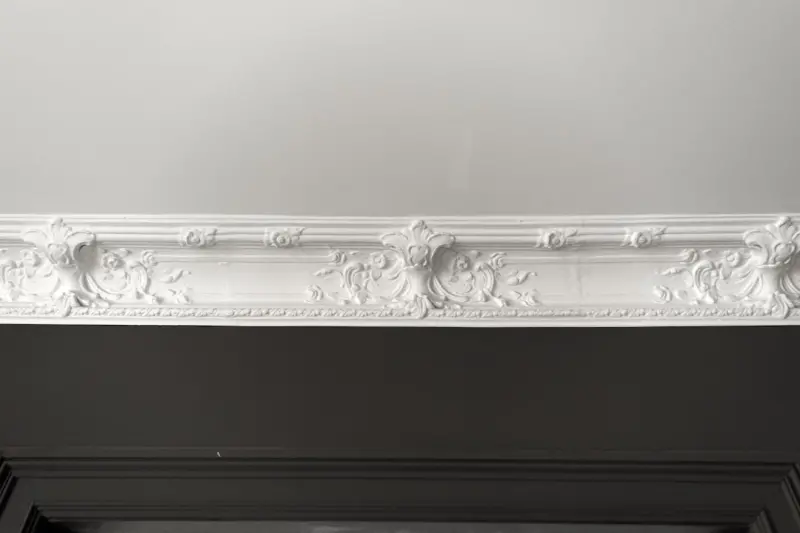
Reviving Historic Crown Molding: A Hands‑On Guide to Authentic Home Restoration
Discover a step‑by‑step approach to restoring historic crown molding, balancing authenticity, co... Read More
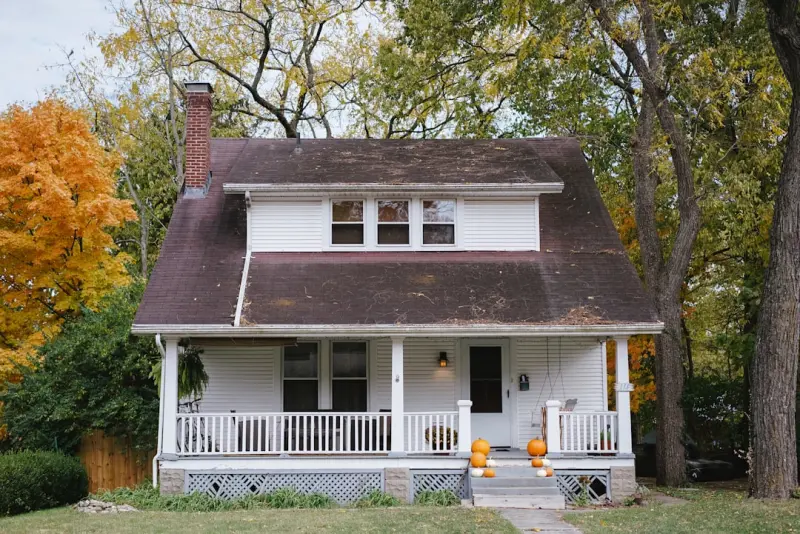
When Digital Twins Preserve Handcrafted Heritage
A seasoned restoration pro reveals how 3‑D digital twins combine modern tech with traditional craf... Read More
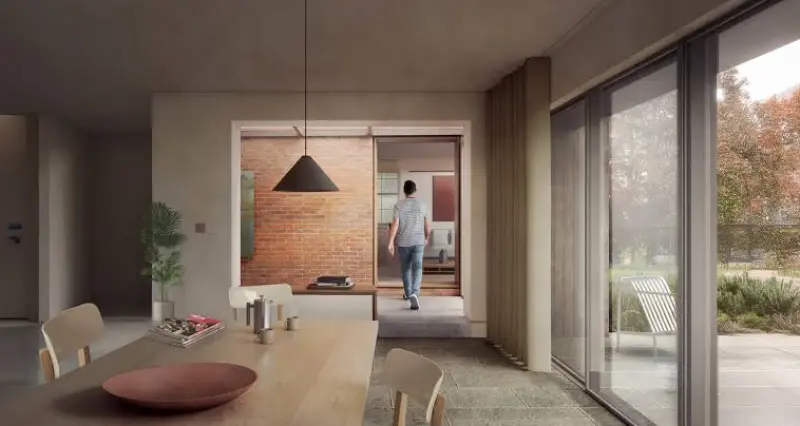
Breathing New Life into Historic Plaster Walls
Explore how to restore historic plaster walls, retain architectural heritage, and improve home comfo... Read More
Top Posts

Turning Red Tape into Green Light: The New Era of Construction Permits
Construction permits are no longer a bureaucratic hurdle but a strategic advantage. This post explores how digital platforms, AI, and BIM integration streamline...Read More

Beyond Cracks: Leveraging Data to Future‑Proof Your Foundation
A data‑first approach to foundation repair uses sensors, AI analytics, and proactive maintenance to detect hidden movements early, reduce costly emergency fix...Read More
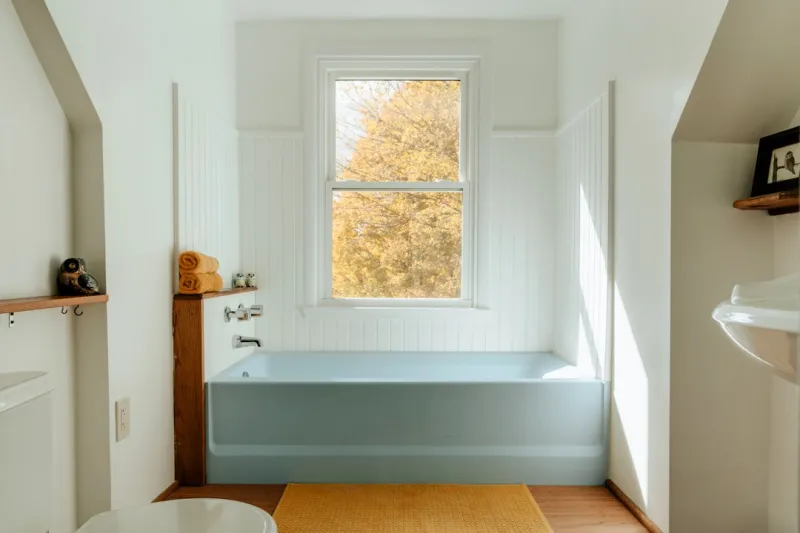
Bathtub Refinishing: A Sustainable Solution for a Fresh New Look
Bathtub refinishing is a sustainable solution for updating your bathroom without breaking the bank or harming the environment. Learn about the benefits and proc...Read More

The Ultimate Renovation Checklist for Acoustic Excellence
A detailed, actionable checklist guides property managers and designers through acoustic planning, material selection, layout optimization, and post‑occupancy...Read More
0 Comments
Post Comment
You will need to Login or Register to comment on this post!