
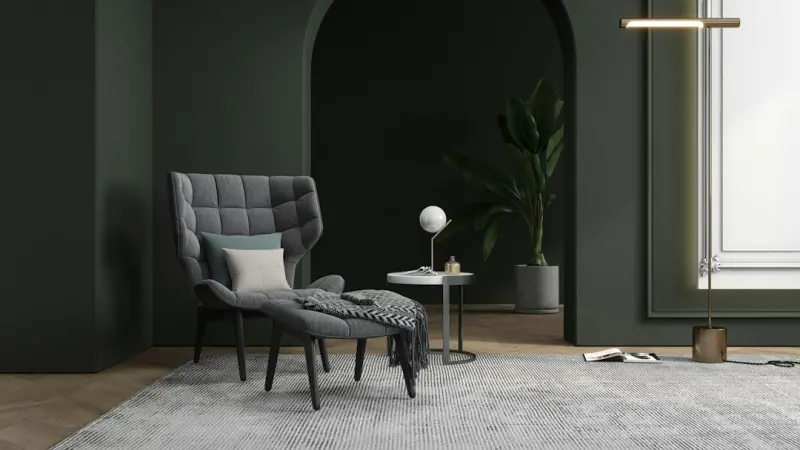
When I walk into a space, I’m not just looking at a room – I’m feeling it, hearing it, even tasting the mood it exudes. Over the years I’ve learned that the most memorable interiors are those that whisper to all five senses, turning a simple environment into a living brand narrative. This isn’t about adding a scented candle here or a splash of color there; it’s a strategic, holistic approach that aligns sensory cues with business objectives, employee wellbeing, and customer perception.
The Power of a Multi‑Sensory Strategy
Most interior designers still start with the visual – color palettes, furniture silhouettes, lighting fixtures. While sight is undeniably dominant, research shows that the brain processes sensory information in a layered way. A scent can trigger a memory faster than a logo, while ambient sound influences perceived temperature and stress levels. When you orchestrate these cues deliberately, you create an immersive brand experience that stays with people long after they leave the door.
Think of a high‑end coffee shop where the aroma of freshly ground beans, the low‑hum of acoustic jazz, the tactile warmth of reclaimed wood tables, and the subtle bitterness of dark chocolate samples all converge. Each element reinforces the brand’s story of craftsmanship and sophistication. The same principle applies to corporate offices, retail showrooms, and even coworking hubs – the only difference is the narrative you want to convey.
Breaking Down the Five Senses
Below is a quick audit framework you can apply to any project. Use it as a checklist during the concept phase and revisit it throughout construction.
- Sight – Lighting temperature, color temperature, visual texture, spatial flow.
- Sound – Background music, acoustic treatment, sound masking, reverberation time.
- Smell – Diffused fragrances, natural ventilation, material off‑gassing.
- Touch – Material finishes, temperature of surfaces, ergonomic ergonomics.
- Taste – Complimentary refreshments, edible installations, brand‑aligned flavor cues.
Designing for Sight: More Than Just Paint
Visual design remains the entry point, but it can be deepened through dynamic lighting and material play. Layered lighting – ambient, task, and accent – lets you sculpt moods throughout the day. For example, a tech startup might use cool, high‑CRI LED panels in the morning to boost alertness, then shift to warmer tones in the afternoon to encourage collaboration.
Beyond light, consider visual rhythm. Repeating patterns on wall panels, ceiling tiles, or even floor graphics create subconscious pathways that guide movement. When paired with subtle color gradients, these patterns can evoke a sense of progression that mirrors a brand’s growth narrative.
Soundscapes That Support Function
Open‑plan offices often struggle with noise fatigue. Instead of fighting the sound, shape it. Installing smart wall technologies that integrate acoustic insulation with controllable surface panels can reduce reverberation while allowing for adjustable sound‑masking. Think of a quiet hum of white noise that can be dialed up during focused work periods and softened during collaborative sessions.
Curated playlists aren’t just background music; they can be data‑driven. By analyzing foot traffic patterns and employee schedules, you can program ambient tracks that align with peak productivity windows, subtly nudging the brain into flow states.
Smell: The Invisible Brand Ambassador
Scents bypass the rational brain and tap directly into emotion. A subtle citrus note can energize a sales floor, while a warm sandalwood fragrance may convey trust in a consulting firm’s waiting area. The key is consistency – the same signature scent should appear across all touchpoints, from the lobby to the conference rooms, reinforcing brand recall.
When selecting fragrances, avoid overpowering aromas that could trigger allergies or fatigue. Opt for natural, low‑VOC diffusers that release a gentle, steady plume. Pair this with proper ventilation to maintain air quality, especially in densely populated spaces.
Touch: Materiality as Communication
Every surface a person contacts conveys a message about quality and intention. Matte metal can suggest industrial precision, while plush fabric hints at comfort. Use a tactile hierarchy: high‑traffic zones get durable, easy‑clean finishes; low‑traffic zones can indulge in richer textures that invite lingering.
Temperature is also a tactile cue. Heated flooring in reception areas feels welcoming, while chilled marble conference tables can signal sleek professionalism. Integrating thermal zoning ensures each area feels appropriate for its function.
Taste: The Unexpected Yet Potent Connector
While taste is often overlooked, a well‑placed flavor experience can cement a brand’s personality. A boutique hotel might offer signature herbal teas in the lounge, reinforcing its wellness ethos. A design firm could install an edible herb garden in the cafeteria, turning the act of dining into a brand‑aligned ritual.
Even simple gestures, like offering branded cookies during client meetings, can create a multisensory memory loop. The taste of that cookie, coupled with the visual of the brand’s colors, can trigger a positive emotional response when recalled later.
Technology as the Sensory Conductor
Modern interiors benefit from IoT sensors that monitor environmental parameters in real time. By linking these sensors to a central dashboard, you can adjust lighting, sound levels, and scent diffusion automatically based on occupancy, time of day, or even weather conditions. This dynamic responsiveness ensures the space always feels optimal without manual intervention.
For designers who are data‑curious, exploring AI‑driven personalization tools can unlock predictive insights. Imagine an algorithm that learns a team’s preferred acoustic profile and pre‑emptively tunes the soundscape before the next brainstorming session begins.
Case Study: A Sensory‑Rich Co‑Working Hub
A recent project for a creative co‑working brand illustrates the impact of a full‑sensory approach. The lobby features a living moss wall that not only adds visual depth but also releases a faint earthy scent, instantly calming newcomers. Ambient sound is curated through hidden speakers that play soft acoustic loops, calibrated to a 0.4 s reverberation time for speech clarity.
Workstations are equipped with tactile desk surfaces – a blend of smooth bamboo and textured rubberized pads – providing both visual contrast and a pleasant hand feel. The kitchen area serves a rotating menu of infused water and artisanal snacks, each chosen to echo the brand’s “fresh ideas” tagline.
Post‑occupancy surveys showed a 27 % increase in perceived creativity and a 15 % drop in reported stress levels, underscoring how sensory alignment can drive tangible business outcomes.
Measuring Sensory Impact
Quantifying the ROI of a multi‑sensory design can be challenging, but not impossible. Combine qualitative feedback (post‑occupancy surveys, focus groups) with quantitative metrics (employee productivity software, foot traffic analytics, scent diffusion usage logs). A balanced scorecard that tracks engagement, wellbeing, and brand recall provides a clear picture of performance.
When possible, run A/B tests: compare a control area with a sensory‑enhanced zone and monitor differences in dwell time, conversion rates, or employee turnover. Over time, the data will reveal which senses deliver the highest leverage for your specific context.
Implementation Checklist
- Define Brand Narrative – Clarify the emotions and stories you want the space to tell.
- Audit Existing Sensory Elements – Document current lighting, acoustics, materials, scents, and taste offerings.
- Choose Primary Sensory Focus – Prioritize 2‑3 senses based on brand goals and budget.
- Source Sustainable Materials – Ensure low VOCs, durability, and tactile comfort.
- Integrate Smart Controls – Deploy IoT sensors for real‑time adjustments.
- Prototype & Test – Create small‑scale mockups to validate sensory combinations.
- Roll Out Phased Installation – Minimize disruption while iterating based on feedback.
- Monitor & Refine – Use dashboards and surveys to continuously optimize.
Closing Thoughts
Design that speaks to all five senses transforms a space from a static backdrop into an active participant in your brand story. By thoughtfully weaving sight, sound, smell, touch, and taste into the fabric of an interior, you create an environment that not only looks good but feels right, sounds harmonious, smells inviting, and even tastes memorable. The payoff is more than aesthetic – it’s deeper engagement, stronger loyalty, and a clear competitive edge.
Whether you’re reimagining a boutique retail floor, upgrading a corporate headquarters, or crafting a collaborative coworking lounge, remember that the most powerful design moments happen when the senses converge. Start mapping those intersections today, and watch your interior become the silent, yet compelling, voice of your brand.

Paul Gray is a dynamic blogger based in Brampton, where he shares his life with his amazing wife, Sarah. Known for his engaging writing style and relatable insights, Paul has carved out a niche in the blogging world that resonates with readers from all walks of life. When he's not crafting captivating posts, you can find him savoring a cold beer or indulging in the latest blockbuster movie. With a friendly demeanor and a passion for storytelling, Paul brings a unique perspective to his work, making him not just a blogger, but a voice for those who appreciate the simple joys of life.
Related Posts
Designing Adaptive Spaces for the Modern Lifestyle
A deep dive into how fluid layouts, human‑centered color choices, acoustic comfort, and emerging t... Read More
Revamping Your Home's Aesthetic: A Comprehensive Guide to Interior Design
Discover the art of interior design and learn how to revamp your home's aesthetic with our expert gu... Read More
Turning Rooms into Storytelling Canvases: The Art of Curating Personal Narrative Spaces
Learn to transform each room into a chapter of your life, using purposeful design choices, sustainab... Read More
Top Posts
The Eco-Friendly Garage Door: A Surprisingly Simple Way to Green Your Home
Find out how an eco-friendly garage door can make a significant impact on your home's energy efficiency and overall sustainability. Learn about sustainable mate...Read More
The Quiet Revolution: How Acoustic Design is Shaping Modern Interiors
Acoustic design is the hidden hero of modern interiors. Discover why sound matters, how to choose materials, and the tech tools that turn any room into a tranqu...Read More

When the Ground Shifts: A Homeowner’s Playbook for Foundation Repair
A comprehensive guide that helps homeowners spot early foundation issues, choose the right contractor, finance repairs, and integrate modern diagnostics into a ...Read More

Data‑Driven Furniture Restoration: Turning Tradition into Tech‑Powered Upcycling
Discover how leveraging data, 3‑D scanning, and smart finishes can transform traditional furniture restoration into a sustainable, high‑value craft that ble...Read More
0 Comments
Post Comment
You will need to Login or Register to comment on this post!