
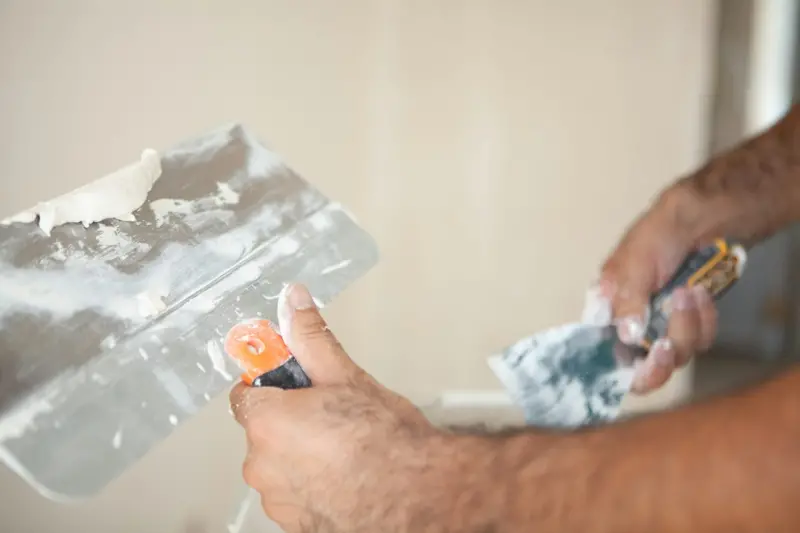
Why Walls Are Getting Smarter
When you walk into a newly finished office or a modern home, the first thing you notice is often the sleek, seamless surface of the drywall. It’s the quiet canvas that frames our lives, yet it rarely gets the spotlight. Historically, drywall has been a passive element—easy to install, inexpensive, and functional. But as buildings become more data‑centric, the humble gypsum board is stepping out of the shadows. Today’s drywall can do more than just hide studs; it can sense humidity, temperature, vibrations, and even air quality, turning a static partition into a living component of the building’s intelligence ecosystem.
The Limitations of Traditional Drywall
Conventional drywall has served the construction industry well for decades, but it also brings a handful of challenges that have gone largely unaddressed:
- Moisture Blind Spots: Water leaks behind walls often go undetected until mold erupts or structural damage becomes evident.
- Energy Inefficiencies: Poor thermal performance can lead to heat loss or gain, forcing HVAC systems to work harder.
- Acoustic Gaps: Standard panels may not meet the demanding sound‑proofing needs of modern open‑plan offices or multimedia studios.
- Maintenance Guesswork: Facility managers typically rely on periodic inspections, which can miss emerging issues that develop between visits.
These pain points present an opportunity. By integrating smart technology directly into the drywall matrix, we can transform walls from passive barriers into proactive assets.
Smart Drywall Fundamentals
Smart drywall is essentially a composite system that embeds thin, flexible sensors and conductive pathways within the gypsum core. The technology stack usually includes:
- Humidity & Moisture Sensors: Detect water intrusion in real time, triggering alerts before mold can take hold.
- Thermal Conductivity Modules: Measure temperature gradients across the wall, feeding data to building management systems for dynamic HVAC adjustments.
- Acoustic Vibration Detectors: Capture sound transmission metrics, enabling fine‑tuning of acoustic treatments without invasive retrofits.
- Air Quality Probes: Monitor VOCs, CO₂, and particulate matter, providing a healthier indoor environment.
- Low‑Power Wireless Mesh: A resilient communication network that relays sensor data to a central hub without the need for extensive cabling.
The result is a wall that continuously streams actionable data, allowing building operators to shift from reactive repairs to predictive maintenance.
Business Benefits That Matter
For owners and facility managers, the value proposition of smart drywall extends far beyond novelty:
- Reduced Downtime: Early leak detection can cut water damage remediation costs by up to 70%.
- Energy Savings: Real‑time thermal data enables zone‑level HVAC control, often delivering 5‑10% reductions in energy bills.
- Compliance & Health: Continuous air quality monitoring helps meet indoor environmental standards and supports employee wellbeing.
- Asset Differentiation: Buildings equipped with intelligent finishes can command higher lease rates and attract sustainability‑focused tenants.
- Data Integration: Sensor feeds can be layered onto existing digital twin energy inspections platforms, enriching the virtual model with wall‑level granularity.
Connecting Smart Drywall to Digital Twins
The concept of a digital twin—a virtual replica of a physical building—has already proven its worth in optimizing energy performance and predictive maintenance. However, most digital twins operate at a macro level, focusing on HVAC, lighting, and structural components. By feeding wall‑level data from smart drywall into the twin, you unlock a new dimension of insight:
- Localized Heat Mapping: Identify cold spots caused by insulation gaps, allowing targeted upgrades.
- Leak Propagation Modeling: Simulate how water ingress spreads across wall assemblies, informing faster containment strategies.
- Acoustic Performance Dashboards: Visualize sound transmission across partitions, supporting space‑planning decisions for conference rooms or open offices.
This synergy transforms the digital twin from a passive model into an active decision‑making engine, where every wall becomes a sensor node feeding a living, breathing simulation.
Design Implications: Aesthetic Meets Intelligence
One of the biggest concerns when adding technology to a finish material is the impact on design integrity. Smart drywall is engineered to preserve the look and feel of traditional panels. The sensor layers are ultra‑thin—often less than 0.5 mm—so they do not alter surface texture or paint adhesion. Moreover, manufacturers are experimenting with AI‑powered personalization tools that can recommend paint colors, textures, or wall art that complement the embedded technology, ensuring the wall remains a design asset as well as a data source.
For designers, this opens a new palette of possibilities. Imagine a conference room where the wall itself subtly changes its acoustic profile based on occupancy, or a residential lounge where humidity sensors trigger a soft ambient lighting shift to signal a potential moisture issue—without ever breaking the visual harmony of the space.
Installation Best Practices
Adopting smart drywall does not mean reinventing the entire construction workflow. However, a few adjustments can maximize performance and minimize headaches:
- Pre‑Planning the Mesh Layout: Coordinate with electrical and IT teams early to ensure the wireless mesh has clear pathways and avoids interference with high‑frequency equipment.
- Temperature & Humidity Conditioning: Store panels in a climate‑controlled environment before installation to prevent condensation on sensor surfaces.
- Seam Calibration: Use specialized joint compound that does not impede sensor signal transmission; some manufacturers provide a calibrated filler for this purpose.
- Testing After Taping: Run a quick diagnostic scan with a handheld reader before finishing the wall to confirm sensor integrity.
- Documentation: Tag each wall section with a QR code that links to its sensor profile in the building management software, simplifying future troubleshooting.
These steps ensure that the added intelligence does not become a source of installation delays or maintenance complexities.
Case Study: Retrofitting a Mid‑Size Office Building
When a 150,000‑square‑foot office tower in the Pacific Northwest sought to reduce its operational costs, the property manager turned to a smart drywall solution for a pilot retrofit on the fifth floor. The objectives were clear:
- Detect and address hidden leaks caused by the region’s frequent rain.
- Improve HVAC efficiency by providing granular temperature data.
- Demonstrate a measurable ROI within 24 months.
The installation covered 30,000 sq ft of wall surface, embedding humidity, temperature, and acoustic sensors. Within three months, the system flagged a slow‑dripping pipe behind a restroom wall that would have otherwise gone unnoticed for up to a year. Immediate repairs prevented $12,000 in water damage and avoided a potential mold remediation scenario.
Thermal data revealed a consistent 2 °F temperature differential across the south‑facing façade, prompting a targeted upgrade to exterior insulation. The building’s energy management system responded by adjusting the zone’s cooling setpoint, resulting in a 7% reduction in HVAC energy consumption.
Finally, acoustic sensors helped the facilities team fine‑tune the open‑plan layout, moving a few workstations to reduce ambient noise by 4 dB, which correlated with a modest boost in employee satisfaction scores.
The pilot’s success paved the way for a full‑building rollout, with a projected payback period of just 18 months—well within the client’s financial criteria.
Future Outlook: From Reactive to Proactive Building Envelopes
The trajectory of smart drywall aligns with broader industry shifts toward resilient, data‑rich built environments. As sensor costs continue to fall and wireless standards become more robust, we can expect several emerging trends:
- Modular Sensor Swaps: Future panels may allow quick sensor replacements without tearing down the wall.
- Edge‑AI Processing: On‑board micro‑controllers could analyze data locally, sending only anomalies to the cloud, reducing bandwidth usage.
- Integration with Renewable Systems: Walls could communicate with solar or geothermal systems to balance indoor climate with on‑site energy generation.
- Regulatory Incentives: Building codes may begin to recognize smart finishes as compliance tools for moisture control and indoor air quality.
For forward‑thinking owners, embracing intelligent drywall now is not just a technology upgrade—it’s a strategic move that future‑proofs the asset, enhances occupant experience, and unlocks new revenue streams through performance‑based leasing.
Getting Started with Smart Drywall
If you’re considering a transition, follow these three steps:
- Assess Your Building’s Pain Points: Identify where moisture, energy waste, or acoustic issues are most prevalent.
- Partner with a Certified Supplier: Choose a vendor that offers end‑to‑end support—from design integration to post‑install analytics.
- Pilot and Scale: Start with a focused area, collect data, demonstrate ROI, and then expand the rollout strategically.
By treating walls as intelligent assets, you turn an often‑overlooked component into a cornerstone of building performance—one that talks, listens, and helps you make smarter decisions every day.

Paul Gray is a dynamic blogger based in Brampton, where he shares his life with his amazing wife, Sarah. Known for his engaging writing style and relatable insights, Paul has carved out a niche in the blogging world that resonates with readers from all walks of life. When he's not crafting captivating posts, you can find him savoring a cold beer or indulging in the latest blockbuster movie. With a friendly demeanor and a passion for storytelling, Paul brings a unique perspective to his work, making him not just a blogger, but a voice for those who appreciate the simple joys of life.
Related Posts
From Bare Bones to Beautiful: A DIY Guide to Mastering Drywalling
Transform your home with this comprehensive guide to DIY drywalling. Learn the essential steps from ... Read More
Elevating Business Interiors with High‑Performance Drywall
Modern drywall goes beyond a simple partition, offering acoustic mastery, sustainability, fire safet... Read More

Eco‑Friendly Drywall: Reducing the Carbon Footprint One Wall at a Time
A deep dive into eco‑friendly drywall practices, from recycled gypsum and low‑VOC compounds to m... Read More
Top Posts

Transform Your Bathroom: The Unexpected Power of Bathtub Refinishing
Explore why a simple bathtub refinishing can turn an outdated bathroom into a spa‑like retreat, boost home value, and align with sustainable renovation goals....Read More

Turning Rooms into Storytelling Canvases: The Art of Curating Personal Narrative Spaces
Learn to transform each room into a chapter of your life, using purposeful design choices, sustainable upgrades, and flexible furniture to craft a home that nar...Read More
Flooring Fundamentals: How Your Choice Shapes Comfort, Health, and Home Identity
Explore how flooring choices influence comfort, health, and style. From sustainable materials to smart heating, get actionable tips for a resilient, beautiful h...Read More

The Ultimate Renovation Checklist for Transforming Underused Spaces
Discover a detailed renovation checklist designed to turn neglected basements, attics, or converted garages into functional, stylish areas, with tips on budgeti...Read More
0 Comments
Post Comment
You will need to Login or Register to comment on this post!