
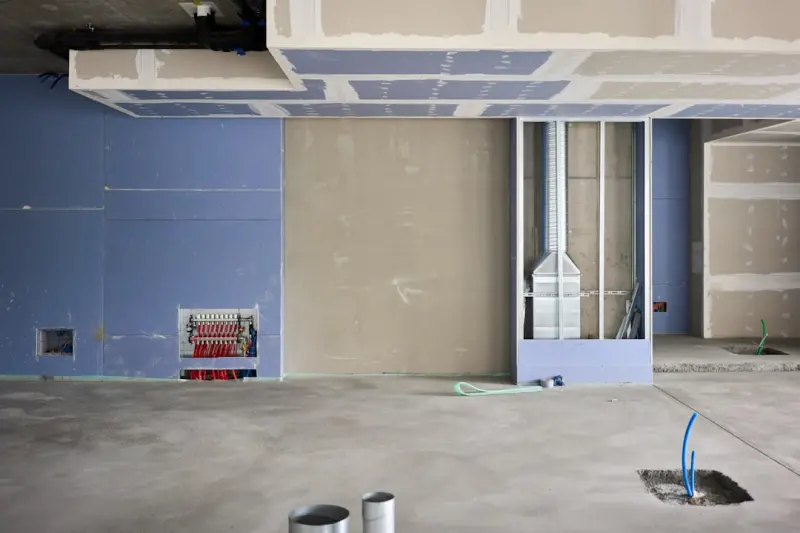
Why Sustainable Drywall Matters in Today’s Renovations
When I first stepped onto a construction site fresh out of college, the walls were a sea of generic, gray gypsum boards that felt more like a placeholder than a design decision; over the years I’ve learned that the very core of a room’s character begins with the drywall you choose, and opting for sustainable materials can transform not just the aesthetic but the environmental footprint of a home. Eco‑friendly drywall blends recycled fibers, low‑VOC binders, and even hemp‑based panels to reduce landfill waste while still delivering the smooth surface we all crave, and I’ve found that these alternatives often outperform traditional board in moisture resistance and durability when installed with care.
Choosing the Right Sustainable Board for Your Space
The market now offers a surprising variety of green drywall options, ranging from gypsum panels infused with fly ash to innovative bio‑composite sheets that incorporate agricultural waste, and selecting the proper thickness and core composition depends on factors like climate, intended use, and the level of insulation you desire. For high‑humidity areas such as bathrooms or kitchens, I prefer a moisture‑resistant board that contains a polymer coating, which helps prevent mold without the need for extra sealants, while in living rooms I often lean toward a lightweight hemp board that provides natural thermal regulation and a subtle, earthy texture. The key is to read product specifications closely, verify third‑party certifications, and match the board’s fire‑rating to local building codes to avoid costly re‑work later on.
Prepping the Space: A Clean Slate for Green Success
Before the first sheet meets the studs, I treat the framing like a canvas, double‑checking that all joists are level, sealing any gaps with low‑VOC caulk, and installing vapor barriers only where needed to preserve the board’s breathability—over‑sealing can trap moisture and defeat the purpose of a sustainable system. I also run a quick inspection for any lingering nail pops or protruding fasteners from previous renovations, because a smooth substrate ensures that the new eco‑board adheres properly and reduces the need for excessive joint compound later; this step may feel meticulous, but it saves hours of sanding and polishing down the line.
Installation Techniques That Honor the Material
One of the most rewarding aspects of working with green drywall is discovering that many of the traditional shortcuts simply don’t apply; for example, I avoid using standard drywall screws that can corrode over time and instead opt for coated, corrosion‑resistant fasteners that protect both the board and the underlying structure, especially in humid climates. When hanging the panels, I stagger the seams in a brick‑like pattern, which distributes load evenly and minimizes the risk of warping, and I use a gentle tapping method with a rubber mallet to seat each sheet without cracking the delicate fibers that give the board its eco‑friendly strength.
Seam Taping and Joint Compound: The Art of a Flawless Finish
Seam treatment is where many DIYers stumble, but my approach centers on a three‑coat system that blends a paper tape with a lightweight, low‑odor joint compound specifically formulated for recycled boards, reducing shrinkage and the need for multiple sanding sessions; the first coat is thin enough to embed the tape without forcing the board fibers apart, while the second and third coats feather out the edges for a seamless transition. I always sand between coats with a fine‑grit sponge to maintain a smooth surface without generating excessive dust, and I finish with a light dust‑proofing spray that locks in the smoothness while keeping indoor air quality high.
Integrating Smart Home Wiring Without Compromising Sustainability
Modern homes crave connectivity, and integrating smart wiring into sustainable drywall can be done without sacrificing the green credentials of the wall; I route low‑profile conduit and smart switches through pre‑drilled holes that align with the board’s fiber orientation, ensuring structural integrity remains intact while providing clean pathways for power and data. After the wiring is in place, I seal the openings with a bio‑based filler that matches the joint compound’s eco‑friendly profile, and I double‑check that any cable trays are secured with recyclable brackets to keep the entire system as sustainable as the drywall itself.
Finishing Touches: Paint, Texture, and Protective Coatings
Once the wall is smooth and the smart components are hidden, the next step is to choose a finish that complements the sustainable ethos; I often recommend low‑VOC, water‑based paints that not only protect the board but also improve indoor air quality, and you can explore this further in my guide on painting your fresh drywall. For areas that need extra durability, a thin layer of natural limewash provides a breathable, antimicrobial coating that works harmoniously with the board’s organic composition, and textured finishes like subtle stippling can hide minor imperfections while adding visual interest without resorting to heavy, chemical‑laden primers.
Maintenance Strategies for Long‑Term Performance
Even the most sustainably installed drywall benefits from a proactive maintenance plan; I incorporate a quick inspection into my seasonal routine—referencing the handyman checklist for drywall maintenance—to look for signs of moisture ingress, nail pop‑outs, or minor cracks that can be repaired with a dab of the same low‑odor joint compound before they spread. In homes where sound control is a priority, I often add a thin layer of recycled acoustic insulation behind the board, a technique highlighted in our piece on soundproof drywall solutions, which not only dampens noise but also enhances the thermal envelope, delivering year‑round comfort without additional energy costs.
Conclusion: A Greener Future Starts With the Walls
Choosing sustainable drywall is more than a trendy decision; it’s a commitment to building healthier, longer‑lasting spaces that respect both the environment and the people who inhabit them, and by following a thoughtful selection, careful installation, and diligent maintenance process, anyone can achieve a professional‑grade finish that stands the test of time. As I continue to experiment with new bio‑composite panels and share my findings with fellow remodelers, I’m reminded that every wall we raise is an opportunity to push the industry toward a greener, quieter, and more connected future.

Lifan Chen is a freelancer based in Toronto specializing in marketing. With expertise in crafting effective marketing strategies and campaigns, Lifan helps businesses grow their brand presence and reach target audiences. As a Toronto-based freelancer, Lifan combines local market insights with creative marketing skills to deliver tailored solutions for clients.
Related Posts

The Evolution of Sustainable Drywalling: A Comprehensive Guide
Sustainable drywalling involves the use of eco-friendly materials, techniques, and practices that mi... Read More
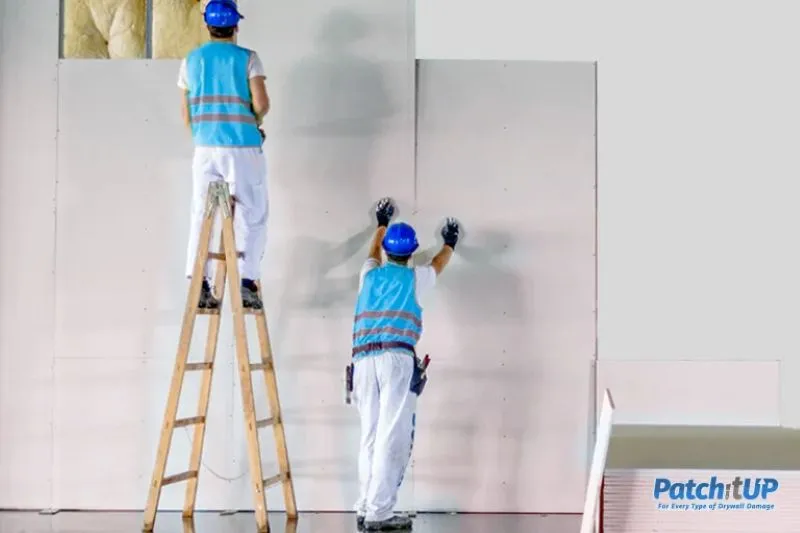
From Bare Bones to Beautiful: A DIY Guide to Mastering Drywalling
Transform your home with this comprehensive guide to DIY drywalling. Learn the essential steps from ... Read More
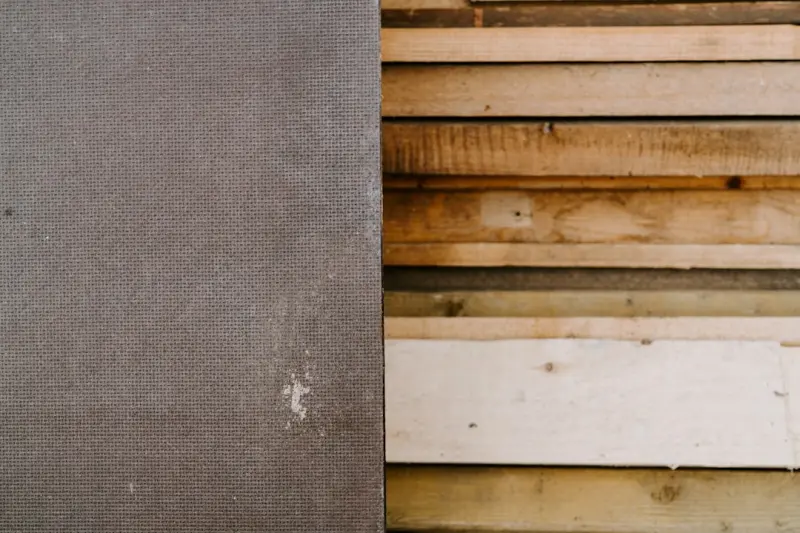
Mastering Modern Drywall: From Sustainable Boards to Acoustic Perfection
Learn how to choose eco‑friendly drywall, integrate acoustic solutions, and future‑proof walls w... Read More
Top Posts
The Ultimate Renovation Checklist: A Sustainable Approach
Create a comprehensive renovation checklist to ensure a smooth and sustainable home upgrade. Learn how to prioritize sustainable practices and materials to enha...Read More
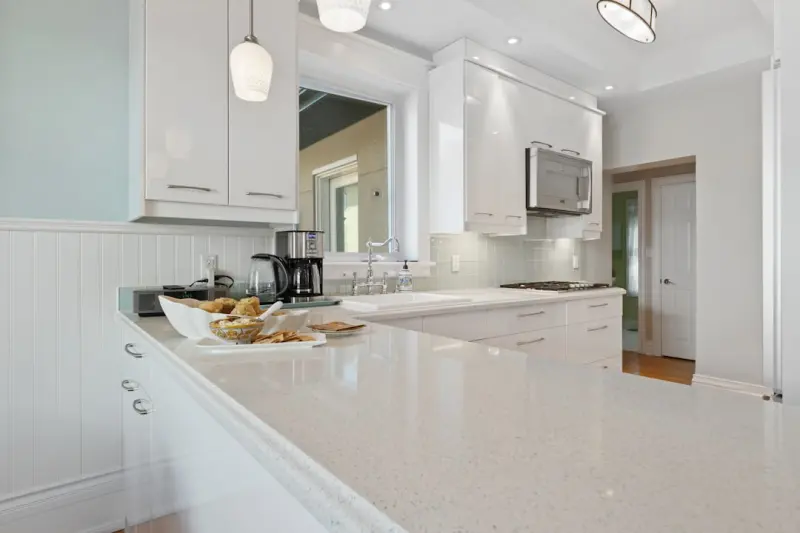
Countertop Revolution: AI, Sustainability, and the Future of Workspaces
Modern countertops are evolving from static slabs into intelligent platforms that blend AI‑optimized material selection, antimicrobial technology, and circula...Read More

Energy Inspection as a Service: Turning Audits into Ongoing Partnerships
Energy Inspection as a Service (EIaaS) redefines traditional audits by delivering continuous monitoring, predictive analytics, and actionable remediation under ...Read More
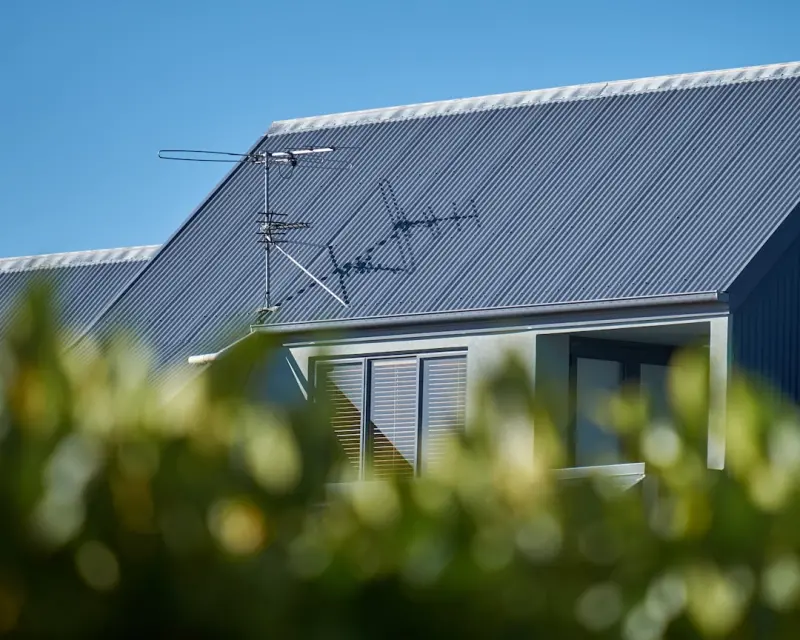
Dynamic Weatherproofing: Turning Your Home Into a Smart Shield
Learn how to upgrade traditional weatherproofing with flexible membranes and smart IoT systems, creating a home that anticipates storms, cuts energy costs, and ...Read More
0 Comments
Post Comment
You will need to Login or Register to comment on this post!