
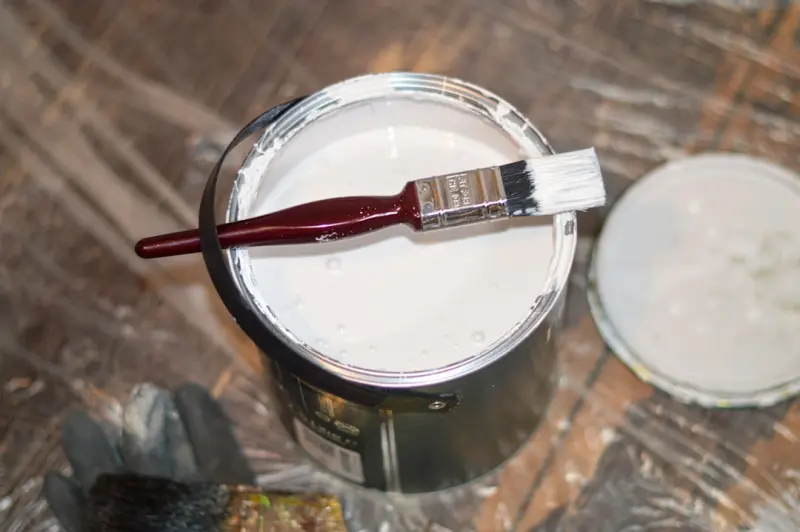
The Transformative Power of Paint
When you step into a room that feels instantly welcoming, you’re often experiencing the subtle magic of paint. It’s not just a coating; it’s a strategic tool that can shift mood, define space, and even influence how long you stay in a room. Choosing the right hue and finish can make a cramped kitchen feel airy or a tired hallway feel vibrant, turning everyday living into a curated experience. In this guide, I’ll walk you through the science, the art, and the practical steps to make paint work for you, not against you.
Color Psychology: More Than a Trend
Colors trigger emotional responses rooted in psychology—blues soothe, yellows energize, and greens restore a sense of balance. By aligning a room’s purpose with its palette, you can subtly influence behavior; a calming teal in a home office encourages focus, while a warm terracotta in a dining area fosters convivial conversation. Understanding these nuances lets you design spaces that feel intentional, making every square foot serve a purpose beyond mere decoration.
Selecting the Perfect Finish
The finish you choose is as critical as the color itself. Matte paints hide imperfections but can be harder to clean, whereas satin and semi‑gloss finishes balance durability with a subtle sheen ideal for high‑traffic areas like hallways and kitchens. For trim and doors, a low‑sheen gloss resists scuffs and highlights architectural details. Pairing the right finish with the appropriate surface ensures longevity and visual harmony, preventing the costly need for premature repainting.
Going Green with Low‑VOC Paints
Modern paint formulations have evolved beyond simple aesthetics to address health and environmental concerns. Low‑VOC (volatile organic compound) paints release fewer harmful chemicals, improving indoor air quality and reducing odors during application. Opting for eco‑friendly options not only protects your family’s health but also aligns with sustainable living practices—a win‑win that adds subtle value to any home.
Planning Your Painting Project Like a Pro
Successful painting starts long before the first brushstroke. Begin with a detailed schedule that accounts for surface preparation, priming, and drying times—each step is essential for a flawless finish. Gather quality tools: a high‑density roller, angled brushes for trim, and painter’s tape for crisp lines. For a systematic approach, refer to the seasonal handyman checklist to align your project with optimal weather conditions and avoid unexpected delays.
Accent Walls and Ceiling Makeovers
Accent walls offer a low‑commitment way to inject personality, while painting ceilings can dramatically alter perceived height and light. Choose a complementary hue that either recedes for subtle depth or pops for bold contrast. When tackling a ceiling, use a roller with an extended pole to maintain even pressure and prevent drips. This technique can transform a stale room into a dynamic space without the expense of structural changes.
Painting Challenging Surfaces
Not all surfaces are created equal; cabinets, brick, and concrete demand specific preparation. For cabinetry, sand lightly, clean with a degreaser, and apply a bonding primer before the topcoat. Exposed brick benefits from a masonry primer that seals pores and prevents moisture seepage, while concrete walls require a flexible, elastomeric paint to accommodate slight movement. When in doubt, consult resources like preparing historic walls to ensure proper substrate treatment.
Boosting Home Value with Paint
Paint is one of the most cost‑effective upgrades for increasing resale value. Neutral tones appeal to a broad audience, while well‑executed accent colors can highlight architectural features, making the home feel move‑in ready. A fresh, cohesive palette signals maintenance diligence to potential buyers, often translating to higher offers and quicker sales. Pair this with strategic lighting to showcase the new colors at their best.
Maintenance Tips to Keep Paint Looking Fresh
Even the best paint will dull over time without proper care. Regularly dust walls with a soft cloth, spot‑clean stains using a mild detergent, and touch up high‑traffic areas annually. For glossy finishes, use a gentle polish to restore shine without scratching. By incorporating these simple habits, your walls will retain their vibrancy and protect your investment for years to come.

Paul Gray is a dynamic blogger based in Brampton, where he shares his life with his amazing wife, Sarah. Known for his engaging writing style and relatable insights, Paul has carved out a niche in the blogging world that resonates with readers from all walks of life. When he's not crafting captivating posts, you can find him savoring a cold beer or indulging in the latest blockbuster movie. With a friendly demeanor and a passion for storytelling, Paul brings a unique perspective to his work, making him not just a blogger, but a voice for those who appreciate the simple joys of life.
Related Posts

The Hidden Power of Paint: Health, Tech, and Sustainable Upgrades
Explore how modern paint technologies—low‑VOC formulas, AI color selection, scented and smart co... Read More
Beyond Aesthetic: How Smart Paint Transforms Home Functionality
Smart paints are redefining home renovation, offering antimicrobial protection, energy‑saving colo... Read More

The Transformative Power of Home Painting: A Personal Journey
Explore the psychological, eco‑friendly, and resale advantages of painting your home, with insider... Read More
Top Posts
The Sustainable Plumber’s Playbook: Modern Trends That Save Water, Money, and the Planet
Explore modern plumbing upgrades that boost efficiency, lower bills, and support sustainable living, all from the hands‑on perspective of a veteran contractor...Read More

Modular Magic: Reimagining Home Construction for the Modern Builder
Explore the rise of modular home construction, its benefits, common myths, and a step‑by‑step guide to turning a prefab vision into a personalized, futureâ€...Read More
Texture Tales: Mastering Decorative Plaster for Modern Homes
Explore how texture, proper prep, and creative application turn plaster into a standout feature, offering lasting style and resilience for today’s homes....Read More

The Hidden Cost of Ignoring Mold: A Proactive Playbook for Facility Managers
A facility manager’s guide to a proactive mold removal strategy that uses IAQ sensors, targeted remediation, and predictive analytics to protect occupants and...Read More
0 Comments
Post Comment
You will need to Login or Register to comment on this post!