
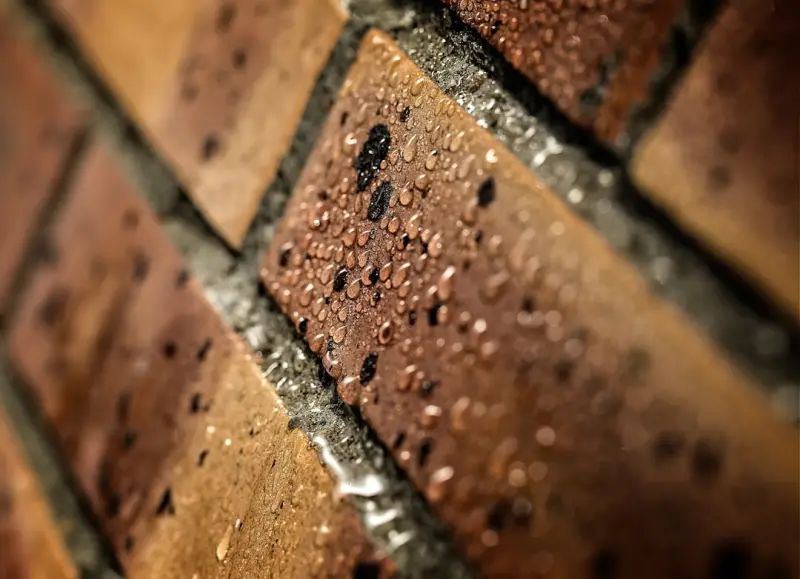
Why Waterproofing Is the Unsung Hero of Healthy Homes
Most homeowners think of waterproofing as a last‑minute fix after a flood, but the truth is that a well‑executed waterproofing system works silently in the background, protecting structure, indoor air, and energy bills. When water infiltrates walls, floors, or basements, it brings minerals that erode concrete, promotes mold growth, and forces HVAC systems to work harder, raising utility costs. By treating water intrusion as a symptom rather than a cause, you can design a proactive barrier that keeps moisture at bay before it ever reaches living spaces. Investing in a comprehensive waterproofing plan not only preserves the aesthetic appeal of your home but also safeguards the health of its occupants. Think of it as the foundation’s invisible shield, quietly ensuring longevity and comfort.
The Science of Water Migration: From Soil to Ceiling
Understanding how water travels through your property is the first step toward effective waterproofing; it doesn’t simply fall from the sky and splash onto the roof. Capillary action pulls moisture up through porous concrete and masonry, while hydrostatic pressure forces groundwater against below‑grade walls, especially during heavy rains or snow melt. Temperature differentials create condensation on cold surfaces, turning walls into de‑humidifiers that drip onto interior finishes. By mapping these pathways—soil saturation, slab cracks, and roof penetrations—you can target the exact points where a barrier is needed. This scientific approach replaces guesswork with data, allowing you to allocate resources where they matter most.
Selecting the Right Waterproofing System for Your Home
There is no one‑size‑fits‑all solution; the best system aligns with your climate, foundation type, and budget. For below‑grade walls, a combination of exterior sealants, drainage panels, and interior vapor‑retardant paints often delivers the strongest defense. Above‑grade surfaces benefit from flexible elastomeric coatings that expand and contract without cracking, while roof decks thrive on liquid‑applied membranes that create seamless seams. Modern options also include crystalline admixtures that react with concrete to form water‑blocking crystals deep within the slab. When you evaluate these choices, ask yourself whether you need a temporary fix or a permanent, self‑healing solution that can adapt to future settlement.
Green Waterproofing: Sustainable Materials That Perform
Eco‑conscious homeowners can now choose waterproofing products that minimize environmental impact without sacrificing performance. Bio‑based sealants derived from soy or lignin offer low VOC emissions and are compostable after their service life. Recycled‑aggregate waterproofing boards replace virgin plastic, reducing landfill waste while providing excellent thermal insulation. Moreover, integrating a perimeter drainage system with reclaimed rainwater helps lower runoff, feeding native landscaping instead of overwhelming municipal sewers. By selecting these green alternatives, you not only protect your home but also contribute to a healthier planet, turning a traditionally utilitarian process into a statement of stewardship.
DIY vs. Professional Installation: Weighing the Pros and Cons
Many homeowners are tempted to tackle waterproofing as a DIY project to save money, but the line between savvy and risky can be thin. DIY kits work well for small interior leaks or surface coatings, where you have clear access and can follow manufacturer instructions precisely. However, complex tasks—such as excavating around foundation walls, installing exterior drainage, or applying liquid membranes on large roof areas—require specialized equipment and expertise. A professional can spot hidden defects, ensure proper substrate preparation, and guarantee warranty coverage, often saving you from costly re‑work. If you’re unsure, start with a modest interior application and consult a licensed contractor for the heavy‑lifting tasks.
Integrating Waterproofing with Other Home Improvements
Waterproofing should not exist in isolation; it works best when paired with complementary upgrades. Pairing a new waterproofing membrane with modern concrete mixes can create a monolithic barrier that resists cracking under thermal stress. Similarly, upgrading your foundation drainage can dovetail with foundation repair strategies to address both moisture and structural integrity. Coordinating these projects reduces labor overlap, shortens timelines, and maximizes return on investment, turning a series of isolated repairs into a cohesive renovation narrative.
Maintenance Strategies: Keeping the Barrier Intact for Decades
A waterproofing system is only as good as its maintenance regimen. Regular inspections—especially after severe weather—allow you to spot early signs of failure such as bubbling paint, efflorescence, or damp spots on walls. Clearing drainage weep holes, ensuring gutters remain free of debris, and reapplying surface sealants every five to ten years preserve the system’s effectiveness. For basements, consider installing a moisture sensor that alerts you to rising humidity levels before mold takes hold. By treating maintenance as a scheduled health check, you extend the lifespan of both the waterproofing and the underlying structure.
Cost‑Benefit Analysis: The True Value of Staying Dry
While the upfront cost of a comprehensive waterproofing plan can seem daunting, the long‑term savings often outweigh the initial outlay. Moisture‑related damage can lead to expensive repairs, reduced property value, and higher insurance premiums. Moreover, a dry envelope improves HVAC efficiency, cutting energy consumption by up to 15 % in some climates. When you factor in avoided mold remediation, healthier indoor air, and the peace of mind that comes from a resilient home, the return on investment becomes clear. Think of waterproofing not as an expense but as a strategic asset that protects both your wallet and well‑being.
Future Trends: Smart Waterproofing and Adaptive Materials
The next wave of waterproofing will be driven by technology and adaptive materials that respond in real time to environmental conditions. Embedded sensors can monitor moisture levels within walls, sending alerts to your smartphone before a leak becomes visible. Self‑healing polymers that close micro‑cracks when exposed to water are already being tested in commercial projects, promising virtually maintenance‑free performance. As these innovations become mainstream, homeowners will gain unprecedented control over moisture management, turning the age‑old battle against water into a data‑driven partnership.

Craig Brett is a freelancer with a passion for the outdoors. His love for nature inspires his work, bringing authentic and engaging perspectives to projects related to outdoor activities, adventure, and environmental topics.
Related Posts

Beyond the Surface: Next‑Gen Waterproofing Redefines Commercial Resilience
Traditional waterproofing can’t keep up with today’s climate challenges. Learn how next‑genera... Read More
Beyond the Seal: Smart Waterproofing for Resilient Buildings
Waterproofing is evolving from a passive barrier into an active, data‑driven system. Learn how sen... Read More

Green Waterproofing: Turning Eco‑Membranes Into a Strategic Asset
Discover the rise of green waterproofing, from bio‑based liquids to recycled sheet membranes, and ... Read More
Top Posts

Revamp Your Closet: Smart Storage Solutions That Boost Space and Sustainability
Learn how to overhaul your closet with modular shelving, vertical storage, and sustainable materials, turning chaos into a green, space‑saving haven....Read More

The Future of Plastering: Embracing Sustainable Practices
The plastering industry is evolving, and sustainable practices are leading the way. Learn about the benefits of eco-friendly materials, innovative techniques, a...Read More

Countertop Conversations: How Surface Choices Shape Kitchen Life
Countertops are more than just a place to set a mug; they affect health, sustainability, and daily workflow. Discover how material choices, eco‑friendly optio...Read More
The Hidden Power of Routine Property Maintenance: A Lifestyle Upgrade
Explore a fresh approach to property upkeep that blends mindfulness, smart tech, and community support, turning routine tasks into lasting value and peace of mi...Read More
0 Comments
Post Comment
You will need to Login or Register to comment on this post!