
Understanding Moisture Intrusion in Legacy Homes
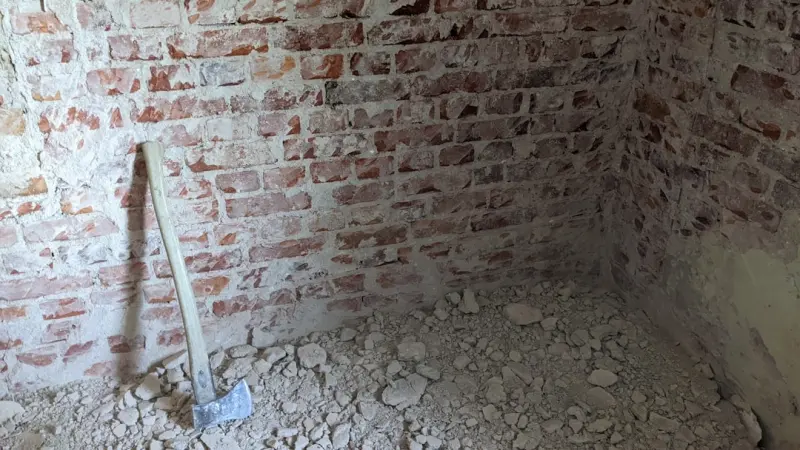
Older homes often wear their history on the walls, and that charm can come with a silent partner—moisture—that sneaks in through cracked mortar, aging flashing, or even the very foundations that have supported generations; unlike modern builds that benefit from factory‑engineered barriers, these structures rely on a patchwork of repairs that, over time, create tiny pathways for water vapor to migrate, condense, and eventually manifest as staining or rot. Identifying those hidden ingress points requires more than a cursory visual scan; it demands a systematic investigation that maps the building envelope, checks interior humidity levels, and watches for subtle signs like warped baseboards or musty odors that betray deeper issues. By treating each potential breach as a clue rather than an isolated problem, you can develop a comprehensive picture of how water interacts with the unique materials and construction methods of your historic home.
Health Implications of Hidden Water Damage
The unseen consequences of moisture extend far beyond structural decay; when water settles in wall cavities or under floorboards, it creates an ideal breeding ground for mold spores, dust mites, and bacteria that can infiltrate indoor air, aggravating allergies, asthma, and even chronic respiratory conditions for occupants who may not realize the source of their symptoms. Studies have linked prolonged exposure to damp environments with increased incidences of sinus irritation, skin rashes, and, in severe cases, mycotoxin-related fatigue, making waterproofing a matter of public health as much as home maintenance. Addressing moisture at its source not only safeguards the building’s integrity but also establishes a healthier living environment, protecting the well‑being of every family member and preserving the home’s legacy for future generations.
Assessing Your Home’s Vulnerability
Before selecting a waterproofing strategy, a thorough vulnerability assessment is essential; start by documenting the age of exterior cladding, the condition of roof drainage systems, and any past water‑related repairs, then cross‑reference those findings with a moisture audit that includes infrared thermography, hygrometer readings, and a visual inspection of interior finishes for signs of efflorescence or bubbling paint. Seasonal Handyman Checklist: Stay Ahead of Home Repairs provides a practical timeline for these inspections, ensuring you catch seasonal trends that could exacerbate infiltration, such as spring thaws or autumn freeze‑thaw cycles. By compiling this data into a risk matrix, you can prioritize interventions, allocate resources effectively, and avoid the costly mistake of treating symptoms rather than the underlying cause.
Choosing Breathable Waterproof Membranes
For historic properties, the ideal solution balances water resistance with vapor permeability; breathable waterproof membranes—often composed of high‑density polyethylene or modified bitumen—allow moisture trapped within wall assemblies to escape while presenting a robust barrier against external rain, wind, and snow, thereby preventing the dreaded “trapped wall” scenario that can accelerate rot from the inside out. These membranes differ from traditional cementitious coatings in that they maintain a dynamic equilibrium, adapting to seasonal humidity fluctuations without compromising structural protection. Selecting a product with an appropriate permeance rating (measured in perms) ensures the building can “breathe” naturally, preserving original plaster and woodwork while delivering the modern performance homeowners expect.
Nanotech and Spray‑On Solutions: Pros & Cons
Emerging nanotechnology coatings promise ultra‑thin, invisible layers that repel water at the molecular level, offering a quick‑install alternative to sheet membranes; however, their efficacy often hinges on flawless surface preparation, and any missed spot can become a point of failure, especially on uneven historic masonry where micro‑cracks are commonplace. Spray‑on elastomeric paints, on the other hand, provide flexibility and can bridge minor hairline cracks, but they may sacrifice vapor transmission, potentially leading to condensation behind the coating if not paired with a secondary breathable layer. Weighing these options requires a realistic appraisal of your skill set, the condition of the substrate, and the long‑term maintenance plan you’re prepared to follow, because a high‑tech finish that deteriorates quickly can cost more in remediation than a conventional, well‑applied membrane.
DIY vs Professional: When to Call in the Experts
While many homeowners relish the satisfaction of tackling waterproofing tasks themselves, the line between DIY success and costly missteps can be razor‑thin; simple exterior sealant applications may be within reach, but comprehensive interior membrane installations demand precise detailing around openings, proper overlap, and adherence to building codes that vary by region. Rethinking Building Foundations: A Personal Blueprint for Resilient Structures illustrates how a misaligned flash can compromise an entire foundation’s performance, underscoring the value of professional expertise for complex systems. When in doubt, consult a certified waterproofing contractor who can perform pressure testing, ensure proper drainage integration, and provide warranties that protect your investment over the long haul.
Integrating Waterproofing with Historic Preservation
Preserving a home’s character while upgrading its defenses is a delicate dance; any intervention must respect original materials, architectural details, and the aesthetic narrative that defines the property, which often means opting for reversible or minimally invasive methods that can be removed without damaging historic fabric. Techniques such as interior vapor‑retarding panels mounted on furring strips create a protective air gap while leaving original plaster untouched, and exterior lime‑based waterproof renders can blend seamlessly with traditional façades while delivering modern performance. Collaboration with preservation specialists ensures that each waterproofing layer aligns with the building’s historical significance, allowing you to protect both the structure and its story.
Maintenance Checklist for Long‑Term Protection
- Inspect roof flashing and gutter connections after each major storm; clear debris and reseal any cracks.
- Monitor interior humidity with a digital hygrometer; aim for 30‑50% relative humidity year‑round.
- Conduct quarterly visual checks of basement walls for condensation or efflorescence, addressing issues immediately.
- Reapply sealants on exterior windows and doors every 3–5 years, ensuring proper adhesion.
- Schedule an annual professional moisture audit to verify membrane integrity and identify emerging vulnerabilities.
Adhering to this routine transforms waterproofing from a one‑time fix into an ongoing stewardship program, catching small issues before they snowball into expensive repairs, and giving you peace of mind that your historic home remains dry, healthy, and beautiful for decades to come.
Future‑Proofing Your Home Against Climate Shifts
As weather patterns grow more extreme, the waterproofing strategies you implement today must anticipate higher rainfall intensity, prolonged humidity, and rising groundwater tables that can overwhelm traditional defenses; incorporating flood‑resilient landscaping, installing back‑drainage systems, and selecting membranes with enhanced tensile strength positions your home to withstand the next generation of climate challenges. Proactive adaptation also means staying informed about local building code updates and emerging materials that offer superior performance, ensuring your waterproofing plan evolves alongside the environment. By marrying time‑tested preservation techniques with forward‑looking technology, you create a resilient envelope that honors the past while safeguarding the future.

Craig Brett is a freelancer with a passion for the outdoors. His love for nature inspires his work, bringing authentic and engaging perspectives to projects related to outdoor activities, adventure, and environmental topics.
Related Posts

Waterproofing as a Service: Redefining Building Resilience with Subscription Models
A fresh look at waterproofing reveals the power of subscription‑based services, offering financial... Read More
Waterproofing the Future: IoT, Data, and Sustainable Practices
A deep dive into how real‑time moisture monitoring, predictive analytics, and sustainable waterpro... Read More
Waterproofing as a Service: Turning Protection into a Subscription
Waterproofing as a Service (WaaS) reimagines building protection as a subscription, offering continu... Read More
Top Posts

Foundations That Think: Building Smarter From the Ground Up
A deep dive into responsive foundations—how embedded sensors, modular design, and low‑carbon concrete turn the ground level into a dynamic, data‑driven as...Read More

Awnings as Strategic Assets: Redefining Outdoor Workspaces
A fresh look at awnings reveals their potential to transform outdoor spaces into productive, brand‑enhancing, and energy‑efficient zones, complete with smar...Read More
Smart Gutter Systems: Turning Rain Management Into a Home Asset
Learn why gutters are critical for home health, how smart tech and proper materials boost value, and the seasonal habits that keep them performing year‑round....Read More
When Your Fridge Starts Whispering: Decoding Early Appliance Fatigue
A quiet hum from a refrigerator isn’t just noise—it’s an early warning. This guide shows property managers how to detect, diagnose, and address appliance ...Read More
0 Comments
Post Comment
You will need to Login or Register to comment on this post!