
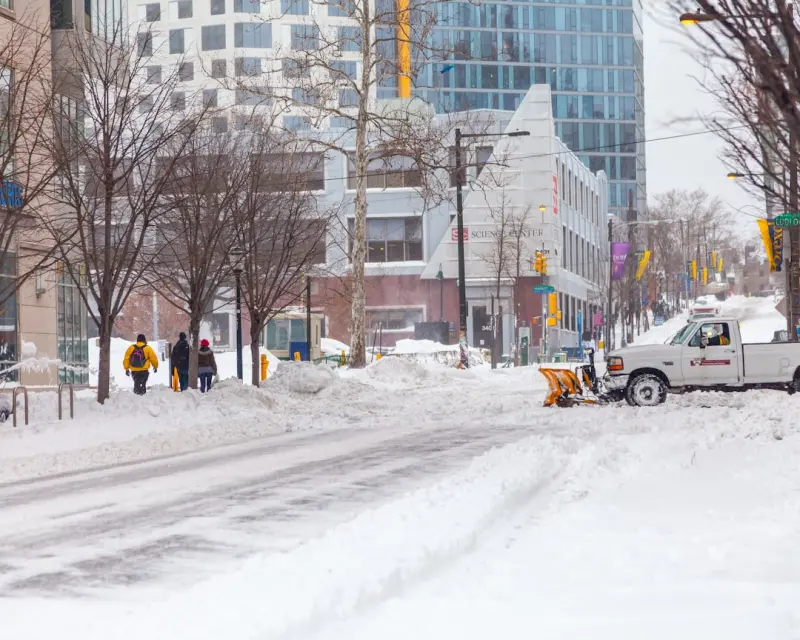
Why Snow Removal Deserves a Fresh Narrative
When the first flakes drift down, most facilities jump straight to the plow and the salt. The conversation usually stops at “how fast can we clear the driveway?” Yet, snow removal is far more than a mechanical response to weather; it’s a cultural, environmental, and economic touchpoint that shapes the way our buildings, teams, and neighborhoods function throughout the winter months. As someone who has spent years balancing facility operations with sustainability goals, I’ve learned that the real power of snow management lies in the decisions we make before the snow even lands.
The Hidden Carbon Footprint of Traditional Snow Management
Every winter season, fleets of diesel‑powered snowplows roar through city streets, consuming fuel, emitting CO₂, and releasing particulate matter into the very air we’re trying to keep clean. Meanwhile, the ubiquitous spread of rock salt not only corrodes concrete and damages vegetation but also leaches into groundwater, creating long‑term ecological harm. The cumulative effect? A winter that feels “clean” on the surface while leaving a lasting carbon and chemical imprint underneath.
Quantifying this impact is easier than you think. A single mid‑size plow can burn roughly 12 gallons of diesel per hour, translating to about 130 pounds of CO₂ per shift. Multiply that by dozens of vehicles operating for weeks, and the emissions skyrocket. Recognizing this hidden cost is the first step toward a more responsible snow removal strategy.
Renewable‑Powered Plows: From Concept to Reality
Electric and hybrid snow removal equipment is no longer a futuristic novelty—it’s gaining traction in forward‑thinking municipalities and corporate campuses. Battery‑electric plows, for example, offer torque that rivals diesel models while delivering zero tailpipe emissions. When paired with renewable energy sources—such as on‑site solar arrays or wind‑generated power—the entire snow‑clearing cycle can become carbon‑neutral.
Implementing electric fleets does require upfront investment, but the total cost of ownership often balances out thanks to lower fuel expenses, reduced maintenance (fewer moving parts), and potential incentives from local governments. Moreover, the quieter operation improves safety for both operators and nearby pedestrians, a benefit that is frequently overlooked.
Smart, Eco‑Friendly De‑icing Solutions
Salt isn’t the only option, and it certainly isn’t the best one. Emerging de‑icing technologies use calcium magnesium acetate, beet‑based brines, or even nano‑engineered polymers that work at lower temperatures and require less material overall. These alternatives minimize corrosion and reduce runoff toxicity, protecting both infrastructure and surrounding ecosystems.
When combined with sensor‑driven application—think of a network of temperature and moisture probes that trigger precise doses only where needed—de‑icing becomes an exact science rather than a blanket approach. The result is less material waste, lower labor hours, and a snow‑free surface that’s kinder to the environment.
Empowering the Workforce: Training, Safety, and Culture
Even the most advanced equipment is only as effective as the people who operate it. A robust training program that emphasizes safe driving, proper material handling, and environmental stewardship can dramatically reduce accidents and improve efficiency. I’ve seen crews transform their mindset when they understand how a small change—like adjusting plow angle by a few degrees—can cut fuel consumption by up to 15%.
Beyond technical skills, fostering a culture of shared responsibility is essential. When staff feel ownership over the winter plan, they’re more likely to suggest innovative ideas, report maintenance issues promptly, and take pride in keeping the campus safe and sustainable.
Community Partnerships: Shared Resources and Collective Impact
Snow removal doesn’t have to be an isolated effort. By collaborating with neighboring businesses, schools, and municipalities, facilities can pool equipment, share real‑time weather data, and coordinate routes to avoid redundant passes. Such partnerships not only lower operational costs but also reduce traffic congestion and emissions caused by multiple fleets traversing the same streets.
Consider a “Winter Coalition” where members contribute a modest fee toward a shared electric plow fleet and a central de‑icing depot. The coalition can negotiate bulk purchases of eco‑friendly brine, secure better insurance rates, and even obtain joint grants for sustainability projects. The collective benefit far outweighs the individual expense.
Integrating Snow Management into Facility Management Platforms
Modern B2B SaaS solutions for facilities are evolving beyond HVAC and lighting controls; they now encompass a full suite of outdoor operations, including snow removal. By embedding snow‑related tasks into a unified work‑order system, facilities can track labor hours, fuel consumption, material usage, and carbon metrics—all in one dashboard.
For instance, linking your snow removal workflow to the Weatherproof Your Home Like a Pro guide helps you align indoor and outdoor resilience strategies, ensuring that insulation, drainage, and exterior sealing are all optimized before the first snowfall. Likewise, integrating insights from Intelligent Gutters can prevent ice dam formation, reducing the need for emergency snow clearing later on.
Data from these platforms can also feed into predictive maintenance schedules for plows, ensuring that batteries are charged, blades are sharpened, and sensors are calibrated before the snow season peaks.
Case Study: A Green Campus Winter Plan
One university in the Pacific Northwest adopted a comprehensive green snow strategy that combined electric plows, beet‑based de‑icing, and a shared‑resource model with nearby schools. Over three winters, they reported a 40% reduction in diesel consumption, a 30% cut in salt usage, and a 25% decrease in labor hours thanks to optimized routing. Their sustainability office also logged a measurable drop in campus carbon emissions, which contributed to achieving their broader climate‑neutral goals.
The key takeaways? Early stakeholder engagement, clear performance metrics, and leveraging existing digital infrastructure to monitor progress were essential. The university’s success story demonstrates that sustainable snow removal is not a niche experiment—it’s a replicable model for any organization committed to environmental responsibility.
Actionable Checklist for a Sustainable Snow Season
- Audit your current fleet. Identify diesel units, fuel consumption rates, and maintenance costs.
- Explore electrification options. Request quotes for electric or hybrid plows and calculate total cost of ownership.
- Switch to eco‑friendly de‑icing agents. Pilot a small‑scale trial with calcium magnesium acetate or beet brine.
- Implement sensor‑based application. Deploy temperature and moisture probes to guide precise brine distribution.
- Train your team. Conduct safety workshops that also cover sustainability best practices.
- Form or join a community coalition. Share equipment, data, and best practices with local partners.
- Integrate with your FM SaaS platform. Track fuel, labor, and material metrics in real time.
- Set measurable goals. Define targets for emissions reduction, salt usage, and labor efficiency.
- Review and iterate. Post‑season, analyze data, celebrate wins, and adjust the plan for the next year.
Looking Ahead: The Future of Snow Management
As climate patterns shift, winters are becoming less predictable, and the demand for agile, low‑impact snow removal will only grow. Emerging technologies such as autonomous electric plows, AI‑driven route optimization, and biodegradable de‑icing polymers are on the horizon. By establishing a sustainable foundation today—through equipment choices, workforce culture, and collaborative networks—organizations can seamlessly adopt these innovations when they become mainstream.
Snow removal, traditionally viewed as a reactive chore, can be reframed as a strategic lever that drives safety, cost savings, and environmental stewardship. The next time the first snowflakes fall, ask yourself: are you simply clearing a path, or are you paving the way for a greener, more resilient future?

Lifan Chen is a freelancer based in Toronto specializing in marketing. With expertise in crafting effective marketing strategies and campaigns, Lifan helps businesses grow their brand presence and reach target audiences. As a Toronto-based freelancer, Lifan combines local market insights with creative marketing skills to deliver tailored solutions for clients.
Related Posts
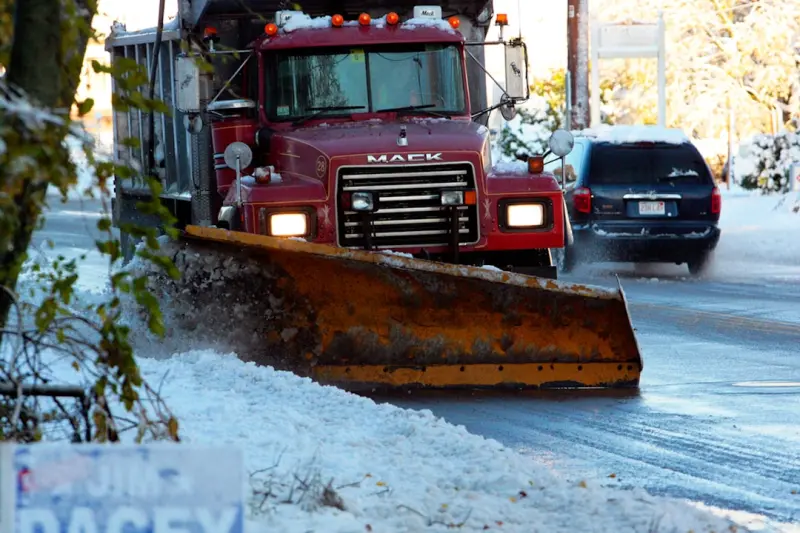
Turning Snow Removal Into a Community Celebration
Learn to transform snow removal from a solitary chore into a community‑building ritual with smart ... Read More
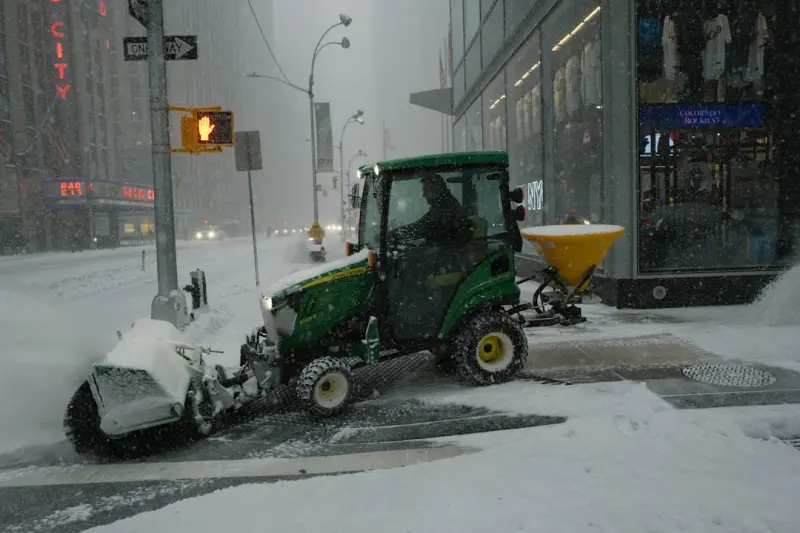
Green Snow Removal: Sustainable Strategies for a Cleaner Winter
Learn how to replace toxic salts with greener alternatives, use heat and smart tech, and collaborate... Read More
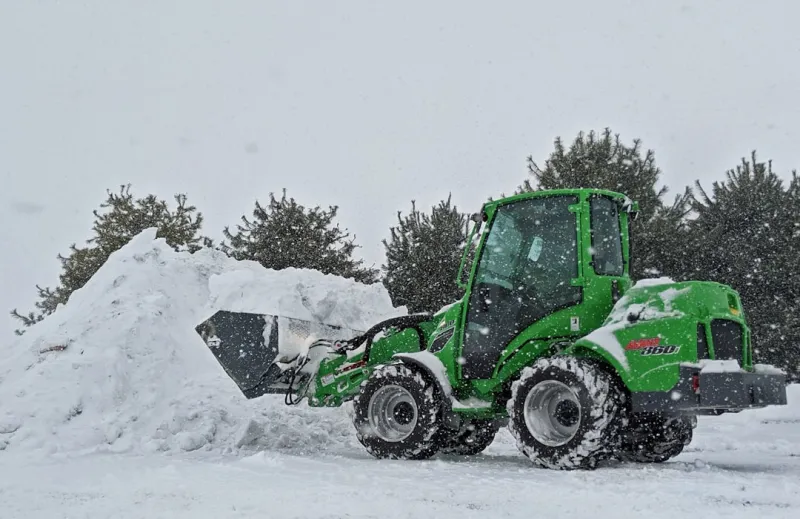
The Ultimate Guide to Snow Removal: Tips, Techniques, and Best Practices
Snow removal is a crucial task during the winter months. Learn the best practices for clearing snow ... Read More
Top Posts

Paving the Way: Cool, Permeable and Energy‑Smart Surfaces for Modern Buildings
Traditional pavement hides hidden costs in heat, runoff, and maintenance. This article explores cool‑reflective, permeable, and energy‑generating paving tec...Read More
The Hidden Value of Adding a Purpose‑Built Flex Wing to Your Home
A purpose‑built flex wing offers a adaptable, sustainable extension that meets today’s needs and evolves with future lifestyle changes, delivering both comf...Read More

Radiant Floor Heating: The Next Competitive Edge for Modern Workspaces
Radiant floor heating delivers consistent, draft‑free warmth that enhances employee focus, improves indoor air quality, and reduces energy use, giving forward...Read More

Sustainable Woodworking: How to Create Beautiful Pieces while Reducing Waste
Learn how to create stunning woodworking pieces while reducing waste and promoting sustainability. Discover eco-friendly practices and materials that make a dif...Read More
0 Comments
Post Comment
You will need to Login or Register to comment on this post!