

Why Tree Care Matters Beyond the Canopy
When most people think about tree care, they picture ladders, pruning shears, and the occasional call to a certified arborist. I, however, see every branch, every leaf, and every root as a subtle invitation to slow down, breathe, and reconnect with something larger than the next deadline. In my years of designing outdoor spaces for corporate campuses, I’ve watched teams transform from frantic to focused simply by giving them a living, breathing presence to tend to. The act of caring for a tree isn’t just maintenance—it’s a ritual that anchors us in the present, reminding us that growth is a process, not a sprint.
The Science of Slow: How Mindful Pruning Reduces Stress
Research from environmental psychology consistently shows that interacting with greenery lowers cortisol levels and improves concentration. The secret isn’t just the shade or the aesthetic appeal; it’s the deliberate, mindful motions involved in pruning, watering, and inspecting a tree. When you trim a wayward branch, you’re forced to focus on the tactile feel of bark, the subtle resistance of wood fibers, and the way sunlight filters through the canopy. Those moments of tactile engagement act like a micro‑meditation, pulling the mind away from endless email threads and back to the rhythm of nature.
Creating a Tree‑Care Ritual in the Office
Integrating tree care into a workplace doesn’t require a full‑scale arboretum. Start small: designate a “tree corner” in the lobby, a patio, or even a rooftop garden. Assign rotating caretakers—maybe the marketing team on Mondays, finance on Wednesdays, and operations on Fridays. Provide a simple guide that outlines the week’s tasks: checking soil moisture, gently loosening the soil around the root ball, or lightly trimming new growth. Over time, these recurring duties become a shared language, a quiet conversation that bridges departments without a single meeting invitation.
The Seasonal Symphony: Aligning Tree Care with Natural Rhythms
Each season offers a unique set of cues for tree maintenance. In early spring, the focus shifts to early‑season fertilization and removing any lingering winter damage. Summer brings the need for deep watering and vigilance against pests, while autumn is the perfect window for structural pruning before dormancy. By syncing your care schedule with these natural cycles, you not only ensure healthier trees but also embed the passage of time into your corporate culture. Employees begin to recognize the subtle shifts—longer days, cooler breezes—and align their own workflows accordingly.
Storytelling Through Branches: Giving Trees a Narrative
Every tree has a story, whether it’s a historic oak that survived a lightning strike or a newly planted sapling that represents a company’s latest sustainability pledge. Invite staff to contribute to a living narrative board: a digital or physical collage where each caretaker adds a short note about what they observed that week—“noticed a cluster of ladybugs on the maple” or “the bark feels rough after last night’s storm.” Over months, these anecdotes accumulate, forming a communal chronicle that celebrates resilience, change, and collective stewardship.
From Routine to Ritual: Elevating the Everyday
Routine tasks can feel mechanical, but by infusing them with intention, they become rituals. Before each pruning session, take a moment to inhale the scent of fresh earth, feel the texture of the bark, and set an intention—perhaps “I am pruning to create space for new ideas.” This simple mental framing transforms a physical act into a symbolic gesture, reinforcing the belief that nurturing trees mirrors nurturing projects: both require patience, foresight, and a willingness to let go of what no longer serves growth.
Connecting Tree Care to Broader Sustainability Goals
Many organizations tout carbon‑offset programs, yet few consider the immediate impact of on‑site trees. A well‑maintained canopy can reduce building cooling costs by up to 30%, improve air quality, and provide habitat for pollinators. When you publicly share your tree‑care schedule, you create a tangible, visual proof point for your sustainability narrative—one that stakeholders can see, touch, and experience. It’s a living KPI that complements the more abstract metrics of energy consumption or waste reduction.
Leveraging Technology Without Losing the Human Touch
While the heart of this piece beats with mindfulness, there’s room for subtle tech assistance. A simple moisture sensor linked to a mobile alert can remind caretakers when the soil needs hydration, ensuring the ritual never lapses due to forgetfulness. Similarly, a quick check of a predictive maintenance dashboard can inspire a parallel system for trees—tracking health trends, scheduling interventions, and visualizing growth over time. The key is to let technology serve the ritual, not replace it.
Building Community Through Shared Green Spaces
When a group of employees gathers around a tree to prune, they naturally exchange stories, jokes, and insights. Those informal conversations often spark cross‑departmental collaborations that never happen in formal meetings. In one of my recent projects, a finance analyst discovered a pattern of leaf discoloration that led to a partnership with the facilities team to investigate a drainage issue—saving the company thousands in potential water damage. The tree became the catalyst for a problem‑solving session that blended expertise from disparate corners of the organization.
Measuring Impact: Beyond the Aesthetic
Quantifying the benefits of mindful tree care can feel abstract, but a few simple metrics help. Track employee engagement scores before and after the introduction of a tree‑care program. Monitor absenteeism related to stress‑related illnesses. Conduct periodic surveys asking staff how the green space influences their mood and productivity. Over time, you’ll likely see a correlation between regular tree‑care rituals and improved wellbeing—an outcome that’s as valuable as any bottom‑line figure.
Integrating Tree Care into Onboarding and Training
Imagine a new hire’s first week beginning with a brief walk to the office’s flagship tree, followed by a hands‑on pruning session. Not only does this greet them with a unique, memorable experience, but it also instantly immerses them in the company’s culture of stewardship. Incorporate a short module in your onboarding curriculum that explains the symbolism of the tree, the weekly schedule, and the expectations for participation. New employees quickly feel a sense of belonging, seeing that the organization values both the environment and the personal growth of its people.
Case Study: Turning a Neglected Elm into a Workplace Anchor
One of my favorite transformations involved an aging elm that had been overlooked for years, its limbs drooping and its bark mottled with disease. Instead of opting for removal, we launched a collaborative rescue effort. Arborists assessed structural integrity, while employees logged weekly observations. Over twelve months, the elm shed its dead branches, sprouted fresh foliage, and became a vibrant centerpiece for weekly “green pauses.” The office reported a 15% increase in employee satisfaction scores, attributing much of the boost to the renewed sense of purpose surrounding the tree.
Future‑Proofing Tree Care: A Blueprint for Longevity
Just as we develop strategic renovation checklists to anticipate building needs, we should craft a long‑term tree‑care plan. Identify which species are best suited for your climate, map out succession planting to replace aging specimens, and allocate budget for ongoing maintenance. By treating tree stewardship as a strategic asset—much like a piece of infrastructure—you ensure that the living canopy continues to support your organization for decades to come.
Conclusion: The Quiet Power of a Well‑Tended Tree
Tree care, when approached with intention, becomes more than a maintenance task; it evolves into a cultural practice that nurtures both the environment and the human spirit. By weaving mindful pruning, seasonal awareness, storytelling, and subtle technology into a cohesive ritual, companies can foster a workplace where growth is celebrated, stress is mitigated, and community flourishes—all under the gentle shade of a thriving tree.

When it comes to the world of blogging and writing, Rose DesRochers is a name that stands out. Her passion for creating quality content and connecting with her audience has made her a trusted voice in the industry. Aside from her skills as a writer and blogger, Rose is also known for her compassionate nature.
Related Posts
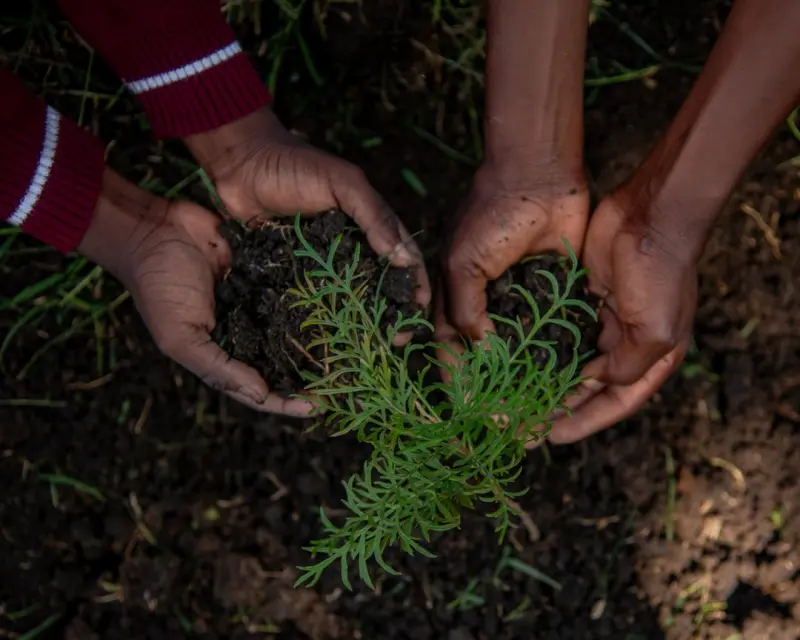
Nurturing Trees Year‑Round: A Holistic Guide to Soil, Water, and Pruning
Discover a season‑aware, holistic strategy for thriving trees—soil microbes, strategic mulching,... Read More
Smart Tree Care: Turning Canopies into Data‑Driven Assets
Learn how integrating smart sensors, predictive analytics, and maintenance dashboards turns tree car... Read More
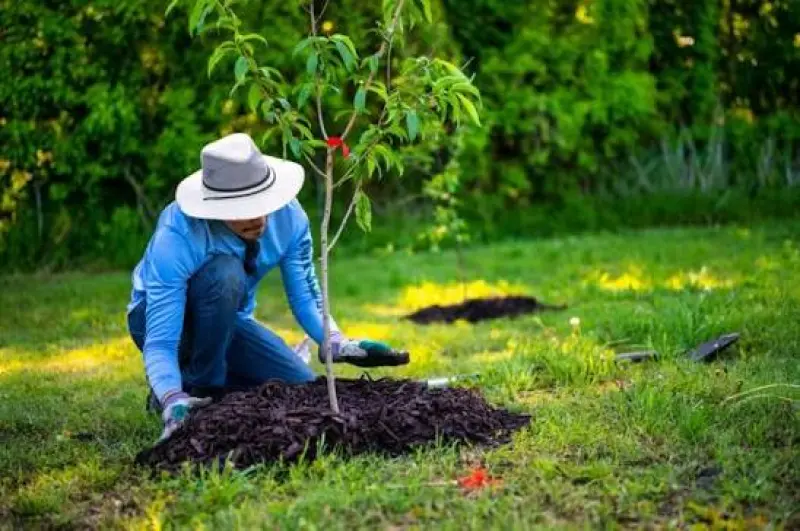
Nurturing Urban Giants: A Tree‑Care Journey from Roots to Canopy
A seasoned arborist shares hands‑on techniques for healthy roots, seasonal pruning, natural pest c... Read More
Top Posts

Reconfigurable Flooring: The Unsung Hero of Hybrid Workplaces
Reconfigurable flooring offers a flexible, sustainable, and brand‑enhancing solution for modern hybrid workplaces, delivering acoustic comfort, easy integrati...Read More

The Hidden Playbook for Long‑Term Mold Prevention
A step‑by‑step guide reveals how moisture control, ventilation, smart material choices, and ongoing monitoring combine to stop mold before it spreads....Read More

The Evolution of Masonry: A Sustainable Path Forward
The masonry industry is evolving to meet the demands of a more environmentally conscious market. Learn about sustainable materials, energy-efficient designs, an...Read More

Sustainable Permeable Pavement: A Practical Guide for Resilient Sites
Permeable paving is more than a trend; it’s a climate‑smart solution that reduces storm‑water runoff, mitigates urban heat islands, and offers long‑term...Read More
0 Comments
Post Comment
You will need to Login or Register to comment on this post!