
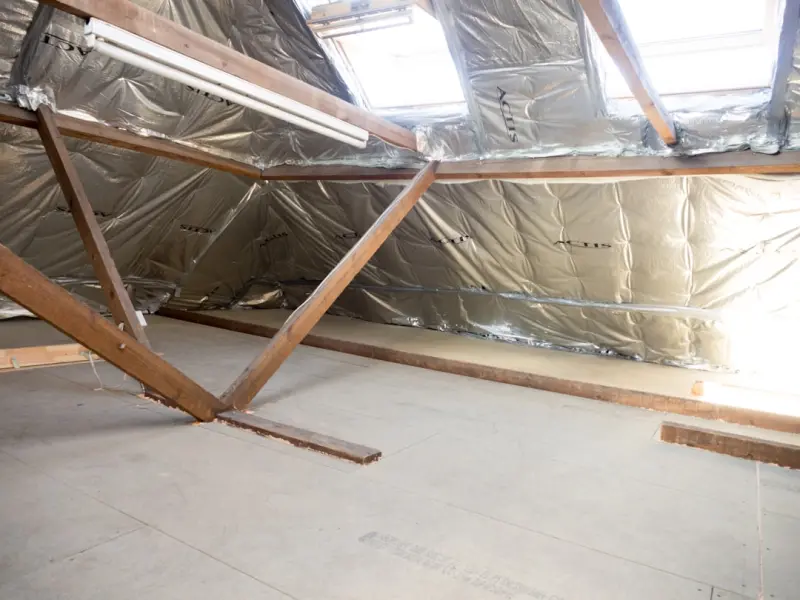
The Hidden Health Engine: Insulation as a Wellness and ESG Catalyst
When most facilities managers think about insulation, the mental image is often a bland, behind‑the‑walls layer of fiberglass or foam whose sole job is to keep heat from escaping. In reality, insulation is a multi‑dimensional platform that can elevate employee well‑being, slash operational carbon footprints, and feed the data streams needed for robust ESG reporting. In this deep dive, I’ll unpack how the newest generation of insulation technologies can become a silent yet powerful ally in building healthier, greener, and more resilient workplaces.
From Thermal Barrier to Health Barrier
Traditional insulation specs focus on the R‑value—the measure of thermal resistance. While crucial for energy efficiency, the quality of the indoor environment is equally dependent on what happens between the wall cavity and the interior surface. Modern insulating materials are being engineered with three health‑centric properties:
- Moisture Management: Advanced vapor‑retarding barriers prevent mold‑friendly damp pockets, a common cause of indoor air quality (IAQ) issues.
- Air Filtration Integration: Some spray‑foam products now embed nano‑fibers that capture particulate matter as air passes through the wall cavity.
- Low‑VOC Formulations: Manufacturers are moving away from solvent‑based binders toward water‑borne chemistries, reducing off‑gassing that can trigger headaches and asthma.
When these attributes are combined, the result is an interior climate that supports respiratory health, concentration, and overall comfort. Employees spend up to 90 % of their waking hours indoors; the hidden health engine of insulation can therefore become a decisive factor in productivity and talent retention.
Insulation’s Role in ESG Performance
Environmental, Social, and Governance (ESG) metrics have become a universal language for investors and partners. Insulation directly influences two of these pillars:
- Environmental: By reducing heating and cooling loads, high‑performance insulation cuts Scope 2 emissions. The cumulative impact can be quantified in carbon‑offset credits, feeding directly into ESG dashboards.
- Social: Health‑centric insulation aligns with the “S” component, demonstrating a tangible commitment to employee welfare—a factor that ESG rating agencies increasingly scrutinize.
Many forward‑thinking organizations are now reporting insulation upgrades as discrete ESG initiatives. The data is straightforward: a 30 % reduction in HVAC energy consumption after installing aerogel‑based panels translates into measurable CO₂ savings, which can be highlighted in annual sustainability reports.
Data‑Rich Walls: Embedding Sensors for Real‑Time Optimization
Insulation is no longer a passive element. By integrating thin‑film temperature and humidity sensors within the cavity, walls become active data sources. These sensors feed real‑time insights to building management systems (BMS), enabling:
- Dynamic HVAC set‑point adjustments based on actual heat flow rather than static schedules.
- Early detection of moisture intrusion before mold develops, triggering preventive maintenance.
- Granular reporting for ESG dashboards, showing how envelope performance contributes to carbon reduction targets.
This approach mirrors the intelligence we see in sensor‑embedded flooring but moves the intelligence deeper into the building envelope. The result is a holistic, data‑driven performance loop that maximizes comfort while minimizing waste.
Choosing the Right Insulation Material for Your Business Goals
Not all insulation is created equal, and the optimal choice depends on the strategic outcomes you prioritize. Below is a quick decision matrix to help align material selection with business objectives:
| Goal | Material | Key Benefits |
|---|---|---|
| Maximum Thermal Performance | Aerogel Panels | R‑values > 30 per inch, slim profile, fire‑rated |
| Moisture & Mold Prevention | Closed‑Cell Spray Foam with Vapor Retarder | Seals air leaks, blocks water vapor, adds structural strength |
| Acoustic Comfort | Cellulose with Acoustic Additives | Reduces airborne sound transmission, recycled content |
| Low Environmental Impact | Hemp or Sheep‑Wool Batts | Renewable, carbon‑negative, natural fire retardancy |
| Integrated Sensing | Smart Insulation Panels (embedded sensors) | Real‑time temperature/humidity data, IoT‑ready |
When you align the material choice with the broader corporate strategy—whether that’s a carbon‑neutral pledge, a wellness certification, or a cost‑reduction mandate—the insulation upgrade becomes a strategic lever rather than a line‑item expense.
Acoustic Insulation: Quieting the Hybrid Office
Hybrid work models have introduced a new acoustic challenge: open‑plan offices now double as collaboration hubs and video‑call zones. While acoustic panels on ceilings and walls are common, the insulation cavity can also be tuned for sound absorption. Materials such as high‑density cellulose or mineral wool with acoustic damping additives can reduce reverberation by up to 40 %.
In practice, this means fewer distractions for deep‑focus work and clearer audio for virtual meetings. The hidden acoustic benefit adds another layer to the business case for insulation upgrades—enhanced productivity without additional construction.
Case Study: Turning Insulation Into a Competitive Differentiator
Consider a midsize tech firm that renovated its headquarters to attract top talent. Their agenda included:
- Achieving LEED Gold certification.
- Improving employee health metrics (reduced sick days).
- Demonstrating measurable ESG progress to investors.
The solution was a hybrid system: aerogel panels on exterior walls for ultra‑high R‑values, closed‑cell spray foam in roof decks for moisture control, and smart insulation panels embedded with temperature/humidity sensors. The outcomes were striking:
- Energy consumption dropped 28 % in the first year.
- Indoor CO₂ levels fell from 1,200 ppm to 800 ppm, correlating with a 12 % rise in reported employee satisfaction.
- ESG reporting highlighted a 250‑ton CO₂e reduction, boosting the firm’s sustainability rating.
This example illustrates how insulation, when strategically selected and integrated, can become a differentiator that resonates with employees, investors, and the market.
Synergies With Other Building Elements
Insulation does not operate in isolation. Its performance is amplified when coordinated with adjacent systems:
- Window Glazing: Pair high‑performance insulation with low‑E glazing to minimize thermal bridges.
- Smart HVAC Controls: Feed sensor data from walls into predictive HVAC algorithms for fine‑tuned climate control.
- Flooring Systems: circular flooring can incorporate reclaimed insulation scraps, creating a closed‑loop material ecosystem.
- Interior Finishes: Low‑VOC paints and finishes complement low‑emission insulation, preserving IAQ gains.
By viewing the building envelope as an integrated ecosystem, you unlock compound benefits that exceed the sum of individual upgrades.
Future Trends: Biophilic Insulation and Carbon Capture
The next wave of insulation innovation is heading toward biophilic and carbon‑negative solutions. Researchers are experimenting with:
- Mycelium‑Based Panels: Grown from fungi, these panels sequester carbon during production and offer natural fire resistance.
- Algae‑Infused Foam: Captures CO₂ during the foaming process, turning greenhouse gases into building material.
- Phase‑Change Materials (PCM) integrated into insulation, which store and release thermal energy, flattening indoor temperature swings.
Adopting these emerging materials positions a company at the forefront of sustainability, reinforcing brand narratives around innovation and responsibility.
Implementation Checklist
Before you commit to an insulation overhaul, run through this practical checklist:
- Define Objectives: Energy reduction, IAQ improvement, acoustic comfort, ESG reporting, or a combination.
- Conduct a Thermal Imaging Survey: Identify heat loss hotspots and prioritize zones.
- Select Materials Aligned With Goals: Use the matrix above as a guide.
- Plan for Sensor Integration: Choose IoT‑ready panels if data collection is a priority.
- Coordinate With HVAC and Lighting Teams: Ensure system compatibility.
- Set Up ESG Tracking: Establish baseline metrics and reporting cadence.
- Communicate Benefits Internally: Highlight health and wellness impacts to boost adoption.
- Monitor and Optimize: Use sensor data to fine‑tune building performance post‑install.
Following this roadmap reduces risk, maximizes ROI, and ensures the insulation upgrade delivers on its multifaceted promise.
Conclusion: Insulation as a Strategic Wellness Asset
Insulation is no longer a background player in facility management. It is a strategic wellness asset that can simultaneously drive energy savings, improve indoor health, enhance acoustic environments, and feed the data required for credible ESG reporting. By treating insulation as a living component—integrated with sensors, aligned with corporate goals, and chosen for its health‑centric properties—you transform walls from passive barriers into active contributors to business success.
In the era where talent attraction, sustainability credentials, and operational efficiency intersect, the hidden health engine inside your walls may be the most compelling story you have yet to tell.

Lifan Chen is a freelancer based in Toronto specializing in marketing. With expertise in crafting effective marketing strategies and campaigns, Lifan helps businesses grow their brand presence and reach target audiences. As a Toronto-based freelancer, Lifan combines local market insights with creative marketing skills to deliver tailored solutions for clients.
Related Posts

Insulation Insights: Turning Your Home’s Skin Into a Smart, Sustainable Shield
Explore a fresh take on insulation that balances eco‑friendly materials, smart home integration, a... Read More

Insulation Unlocked: Turning a Hidden Layer into a Strategic Advantage
Insulation isn’t just about R‑values; it’s a health shield, carbon reducer, and data‑rich as... Read More

The Importance of Insulation in Sustainable Home Design
Insulation plays a critical role in sustainable home design, reducing energy consumption and lowerin... Read More
Top Posts

Mastering Construction Permits: A Builder’s Playbook for Seamless Approvals
Learn how to demystify construction permits with a strategic checklist, digital tools, and community outreach—turning a daunting process into a project‑winn...Read More
Designing a Kitchen That Grows With Your Life
Learn to design a kitchen that evolves with your family, blending adaptive zones, smart storage, and sustainable tech for lasting functionality and style....Read More
Rethinking Home Security: A Human‑Centric, Smart Alarm Blueprint
A fresh look at home alarms: integrating smart tech, privacy safeguards, and family‑focused routines to turn protection into a seamless, everyday experience....Read More

Sustainable Permeable Pavement: A Practical Guide for Resilient Sites
Permeable paving is more than a trend; it’s a climate‑smart solution that reduces storm‑water runoff, mitigates urban heat islands, and offers long‑term...Read More
0 Comments
Post Comment
You will need to Login or Register to comment on this post!