
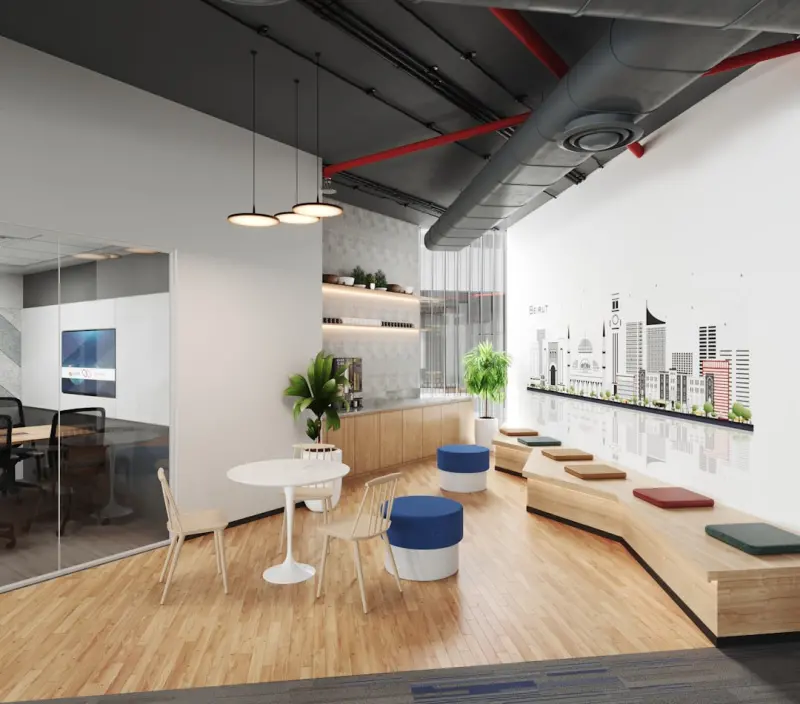
Why Circular Flooring Is the Next Strategic Advantage for Modern Workspaces
When we talk about the future of office design, the conversation usually lands on smart glass, modular furniture, or AI‑driven lighting. Yet one of the most impactful—and least discussed—elements is the floor beneath our feet. A truly circular flooring system does more than look good; it reshapes supply chains, reduces carbon footprints, and creates measurable business value. In this post, I’ll walk you through how a circular approach to flooring can become a strategic lever for any forward‑thinking organization.
Understanding Circular Flooring
Circular flooring is built on the principles of reduce, reuse, and recycle. Unlike traditional flooring, which often ends its life in a landfill after a single installation, circular systems are designed for disassembly, refurbishment, and reintegration into new projects. This means that when a workspace evolves—whether through reconfiguration, expansion, or a complete brand refresh—the flooring can be repurposed without the waste and cost associated with demolition.
The Business Case: From Cost Center to Value Generator
Most CFOs still view flooring as a line‑item expense: purchase, install, and eventually replace. A circular model flips that narrative.
- Lower Total Cost of Ownership (TCO): By selecting modular tiles made from recycled materials, organizations can swap out sections instead of tearing up entire floors. This reduces labor costs, disposal fees, and downtime.
- Predictable Budgeting: Because components are standardized, the cost of future upgrades becomes a known variable, eliminating surprise expenses during a remodel.
- Brand Differentiation: Sustainability is no longer a nice‑to‑have; it’s a market expectation. Showcasing a circular floor demonstrates corporate responsibility and can attract talent, clients, and investors.
Key Materials Driving the Circular Revolution
Several innovative materials are making circular flooring a reality:
- Recycled Vinyl and PET: Post‑consumer plastic bottles are transformed into resilient, low‑maintenance tiles that mimic the look of traditional vinyl.
- Bio‑based Composites: Fibers from bamboo, hemp, or even agricultural waste (like wheat straw) combine with bio‑resins to create strong, lightweight panels.
- Algae‑Infused Carpets: Algae cultures produce natural pigments and binding agents, resulting in carpets that are both vibrant and biodegradable.
- Modular Cork Tiles: Cork is renewable, naturally acoustic, and can be reclaimed or re‑cut for future layouts.
Designing for Disassembly: The Practical Playbook
Transitioning to a circular floor requires intentional design from the outset. Below is a step‑by‑step framework you can apply to any project.
- Choose a Modular System: Opt for interlocking tiles or planks that can be removed without damaging surrounding components. Systems that use hidden fasteners or magnetic locks are ideal.
- Standardize Dimensions: By adhering to a consistent module size (e.g., 600 mm × 600 mm), you simplify inventory management and make future reconfiguration straightforward.
- Specify End‑of‑Life Pathways: Work with manufacturers that provide take‑back programs or have clear recycling streams for their products.
- Integrate Maintenance Protocols: Establish cleaning and repair routines that extend the life of each module. A well‑maintained floor can stay in service for 15‑20 years, far longer than typical carpet lifespans.
- Track Material Flow: Use a simple asset‑tracking spreadsheet—or a more sophisticated BIM model—to log each tile’s installation date, location, and condition. This data becomes invaluable when planning future moves.
Health, Safety, and Well‑Being Benefits
Beyond sustainability, circular flooring can enhance employee health and safety:
- Indoor Air Quality: Materials derived from natural fibers or low‑VOC resins release fewer harmful chemicals, reducing the risk of sick‑building syndrome.
- Acoustic Performance: Cork and bio‑composite tiles provide excellent sound absorption, creating quieter, more focused environments.
- Ergonomic Comfort: Some recycled foam underlays add a subtle give underfoot, decreasing fatigue for employees who stand for long periods.
Quantifying the Impact: Metrics That Matter
To convince leadership, translate the circular approach into concrete numbers:
- Carbon Reduction: A typical office floor of 2,000 sq ft installed with recycled vinyl can cut embodied CO₂ emissions by up to 40 % compared to virgin materials.
- Waste Diversion: Modular systems can divert 80 %+ of floor waste from landfills over a 10‑year horizon.
- Cost Savings: Organizations report 15‑25 % lower renovation costs when reusing floor modules instead of full replacements.
Real‑World Example: Turning a Legacy Office into a Circular Showcase
Consider a mid‑size tech firm that occupied a 10,000 sq ft office built in the early 2000s. The original carpet was due for replacement, and the leadership wanted to avoid the typical “tear‑out‑and‑replace” approach. They partnered with a flooring supplier offering reclaimed PET tiles in a modular format. The process unfolded in three phases:
- Assessment & Planning: The design team mapped out high‑traffic zones, identifying areas that could retain the existing carpet while swapping out others with PET tiles.
- Installation: The modular tiles were laid over a thin, low‑VOC adhesive that allowed for later removal without damaging the sub‑floor.
- Future‑Proofing: A digital log was created, tagging each tile’s location and condition. Six months later, the company reorganized its engineering team, simply lifting and re‑laying the affected tiles—a process that took days, not weeks.
The outcome? A 30 % reduction in renovation labor, a 12 % drop in overall carbon emissions for the project, and a measurable boost in employee satisfaction scores related to workplace comfort.
Integrating Circular Flooring with Other Smart Workplace Strategies
While circular flooring stands on its own, it can complement a broader ecosystem of intelligent workplace solutions. For instance, you might already be exploring sensor‑embedded flooring for footfall analytics (sensor‑embedded flooring as a business intelligence platform). Pairing those sensors with modular, recyclable tiles ensures that the hardware can be upgraded or replaced without discarding the entire floor surface.
Similarly, if your organization is leveraging adaptive flooring systems that change color or texture in response to environmental cues (adaptive flooring fuels agile workspaces), a circular foundation makes it easier to swap out sections that become obsolete as technology evolves.
Overcoming Common Barriers
Adopting circular flooring isn’t without challenges. Here are typical concerns and how to address them:
- Initial Cost Perception: While modular tiles can have a slightly higher upfront price, the long‑term savings in labor, waste disposal, and material reuse quickly offset the difference.
- Supply Chain Uncertainty: Build relationships with manufacturers who have transparent sourcing and robust take‑back programs. Many vendors now offer “closed‑loop” contracts that guarantee material availability for future projects.
- Design Limitations: Modern modular systems come in a wide variety of finishes—from high‑gloss stone looks to matte wood textures—ensuring aesthetic flexibility.
Steps to Get Started Today
If you’re ready to explore a circular flooring strategy, follow this quick kickoff checklist:
- Audit Existing Floors: Identify materials, conditions, and removal costs.
- Set Sustainability Goals: Define metrics such as carbon reduction, waste diversion, and material reuse percentages.
- Engage Stakeholders: Bring together facilities, finance, and HR to align on health, cost, and brand objectives.
- Choose a Pilot Space: Start with a high‑visibility area (e.g., a collaborative zone) to showcase benefits.
- Measure & Iterate: Track performance against your metrics, and refine the approach for larger rollouts.
Looking Ahead: The Future of Circular Floors
As the circular economy gains momentum, we can expect flooring manufacturers to introduce even more advanced options—think self‑healing bio‑composites, fully biodegradable carpet fibers, and AI‑driven inventory platforms that predict when and where modules will be needed. The floor will evolve from a passive substrate to an active participant in a building’s sustainability narrative.
In the meantime, embracing a circular mindset for your flooring is a tangible, high‑impact step that aligns environmental stewardship with real business outcomes. It’s time to let the floor do the heavy lifting—literally and metaphorically—for your organization’s strategic goals.

Craig Brett is a freelancer with a passion for the outdoors. His love for nature inspires his work, bringing authentic and engaging perspectives to projects related to outdoor activities, adventure, and environmental topics.
Related Posts
Flooring Futures: Materials That Boost Comfort, Style, and Sustainability
A fresh look at flooring choices that prioritize health, sustainability, and style, offering practic... Read More
How Adaptive Flooring Fuels Agile Workspaces
Adaptive flooring blends material science, IoT data, and modular design to boost productivity, wellb... Read More
Flooring as a Hidden Engine for Health, Productivity, and Sustainability
Explore how flooring can enhance indoor health, improve workplace productivity, and support sustaina... Read More
Top Posts

Silencing the Garage: Acoustic Design Strategies for a Quiet Home Gym
A step‑by‑step guide shows homeowners how to tackle reverberation, impact noise, and air sealing, turning a noisy garage into a peaceful, high‑performance...Read More

Seasonal Tree Care: Turning Canopies into Strategic Assets
A detailed, seasonal checklist shows property managers how to transform tree maintenance from a reactive expense into a strategic asset that lowers energy costs...Read More

Building with Brick and Vision: Sustainable Masonry Trends
Discover how modern masonry blends reclaimed materials, design‑build integration, and smart maintenance to build greener, longer‑lasting homes....Read More
Turning Duct Cleaning into a Strategic Asset for Facility Managers
Proactive duct cleaning isn’t just a maintenance task—it’s a strategic lever that reduces energy costs, extends equipment life, and enhances indoor air qu...Read More
0 Comments
Post Comment
You will need to Login or Register to comment on this post!