

When most people think about solar energy, the image that pops up is a tidy array of panels perched on a roof, dutifully turning sunlight into electricity for a single building. That vision is still valuable, but it’s only the tip of an iceberg that’s reshaping how enterprises think about power, risk, and sustainability. In this post, I’m pulling back the curtain on a trend that’s still under the radar for many decision‑makers: solar‑powered microgrids that sit at the edge of the traditional grid, delivering resilience, cost control, and a tangible ESG advantage.
Why the Edge of the Grid Matters
Traditional utility models treat power as a centralized commodity: a massive plant generates electricity, transmits it over long distances, and finally steps down to serve a building. This architecture has served us well, but it also creates a single point of failure. A storm, cyber‑attack, or unexpected demand spike can cascade into a costly outage that stalls production lines, disrupts supply chains, and bruises brand reputation.
Enter the edge of the grid—the point where a facility can both consume and produce electricity, thanks to on‑site generation and storage. By positioning solar arrays and batteries right where the power is needed, companies can:
- Decouple from the utility during peak‑price periods, slashing energy bills.
- Maintain continuous operations when the wider grid goes dark.
- Capture grid‑service revenues by feeding excess power back into the network during high‑price events.
It’s a shift from “passive consumption” to “active participation” in the energy market—a shift that’s already proving its worth for data centers, manufacturing plants, and even sprawling corporate campuses.
Solar Microgrids: The Core Components
A solar microgrid is more than just a roof‑top array. It’s a carefully orchestrated system that blends three essential ingredients:
- Solar generation: Photovoltaic panels—often mounted on rooftops, carports, or purpose‑built solar farms—capture sunlight and convert it to DC electricity.
- Energy storage: Lithium‑ion, flow, or emerging solid‑state batteries store surplus energy for use when the sun sets or demand spikes.
- Intelligent controls: Advanced energy management software monitors real‑time loads, forecasts weather, and optimizes the flow of power between the microgrid, the main grid, and on‑site loads.
When these components work together, the microgrid can autonomously decide whether to draw from the utility, discharge the battery, or even sell power back to the grid. The result is a dynamic, self‑balancing ecosystem that adapts to market signals and operational priorities.
Case Study: Data Centers Powering Their Own Future
Data centers are the digital arteries of modern business, and they demand an uninterrupted power supply (UPS) that can handle megawatts of load. Traditionally, they rely on diesel generators and grid power, both of which are costly and carbon‑intensive.
By integrating a solar‑plus‑storage microgrid, a data center can:
- Reduce grid dependency by up to 40%, cutting exposure to volatile wholesale rates.
- Lower carbon emissions dramatically, helping meet increasingly stringent ESG targets.
- Leverage predictive maintenance to keep both PV inverters and battery systems humming at peak efficiency.
One early adopter reported a 20% reduction in total energy cost within the first twelve months, while also securing a “green” certification that opened doors to new, sustainability‑focused clients.
Solar Microgrids for Manufacturing: Turning Production Into a Competitive Edge
Manufacturing facilities often sit on large footprints with abundant roof space—prime real estate for solar. But the real magic happens when that solar is paired with a microgrid that can smooth out demand peaks and provide backup power during grid disturbances.
Imagine a plant that can:
- Shift its high‑energy processes (e.g., metal forging, batch ovens) to daylight hours, using solar output directly.
- Store excess generation for night‑shift operations, eliminating the need for costly on‑site diesel generators.
- Earn revenue by participating in demand‑response programs, where the utility pays the plant to reduce load during peak times.
These capabilities translate into tangible financial metrics: lower operating expenses, higher asset utilization, and a stronger narrative when courting investors who prioritize sustainable operations.
Financing the Transition: From Cap‑Ex to Op‑Ex
One of the biggest barriers to adopting solar microgrids has traditionally been the upfront capital outlay. However, a wave of innovative financing models is turning this cap‑ex expense into an op‑ex subscription, aligning costs with the value generated.
Key approaches include:
- Solar‑as‑a‑service (SaaS): Third‑party providers install, operate, and maintain the microgrid, charging a monthly fee that reflects the energy saved and services delivered.
- Power purchase agreements (PPAs): Companies lock in a fixed price for the electricity generated, insulating themselves from market volatility.
- Green bonds: Issuing debt specifically earmarked for renewable projects, often at favorable rates due to investor demand for ESG‑aligned assets.
These models reduce risk, accelerate ROI, and make it easier for CFOs to justify the investment on a purely financial basis—while still delivering the sustainability punch that modern stakeholders demand.
Integrating Solar with Smart Roofing Solutions
While traditional rooftop panels are effective, the next frontier lies in turning the entire roof into a multifunctional asset. Smart roofing technologies embed sensors, dynamic shading, and even thin‑film solar cells directly into roofing membranes. This creates a seamless, low‑profile generation surface that can also:
- Detect leaks or structural issues in real time, reducing maintenance costs.
- Adjust reflectivity to manage building heat load, cutting cooling demand.
- Provide a platform for future upgrades, such as building‑integrated photovoltaics (BIPV) that blend aesthetic and functional goals.
For enterprises looking to future‑proof their facilities, this integration offers a compelling blend of performance, durability, and visual appeal.
Solar Energy and ESG Reporting: Quantifiable Benefits
Environmental, Social, and Governance (ESG) metrics are no longer an optional add‑on; they’re a core component of corporate valuation. Solar microgrids feed directly into three ESG pillars:
- Environmental: Reduced Scope 2 emissions (electricity purchased) and, in some cases, Scope 1 emissions (if diesel generators are replaced).
- Social: Energy resilience supports community stability, especially in regions prone to outages.
- Governance: Transparent, data‑driven energy management demonstrates strong risk oversight.
Many reporting frameworks—such as SASB, GRI, and the emerging IFRS S1/2—require concrete, audited data. Solar microgrid platforms can automatically log generation, storage, and grid interactions, feeding clean datasets into sustainability reports and reducing audit friction.
Practical Roadmap for Enterprises Ready to Dive In
Transitioning to a solar microgrid may feel like a daunting project, but breaking it down into clear phases makes the journey manageable:
- Assessment: Conduct a site audit to gauge solar potential, available roof or land area, and load profiles. Tools like energy‑modeling software can simulate different sizing scenarios.
- Design: Work with engineers to size the PV array, select appropriate battery chemistry, and map out the control architecture. Consider future expansion—adding more panels or storage later.
- Financing: Choose a financing model that aligns with your balance‑sheet strategy. Engage with banks, green bond advisors, or solar‑as‑a‑service providers.
- Installation: Partner with an EPC (Engineering, Procurement, and Construction) firm experienced in microgrid deployments. Ensure that installation timelines account for permitting and grid interconnection studies.
- Commissioning & Optimization: Once live, leverage the microgrid’s intelligence platform to fine‑tune performance, set up demand‑response participation, and integrate with existing Building Management Systems (BMS).
- Reporting & Scaling: Capture performance data for ESG reporting, and use the proven model to replicate microgrid deployments at other sites.
Following this roadmap reduces risk, accelerates time‑to‑value, and ensures that the project delivers on both financial and sustainability promises.
Looking Ahead: The Role of Emerging Technologies
The solar microgrid landscape will continue to evolve, driven by advances in several key areas:
- Next‑gen batteries: Solid‑state and flow batteries promise higher energy density, longer life, and improved safety.
- AI‑driven energy orchestration: Machine‑learning algorithms will predict load patterns with greater accuracy, dynamically adjusting storage dispatch to maximize revenue.
- Hybrid renewable systems: Pairing solar with wind, geothermal, or even hydrogen production can create truly resilient, carbon‑negative energy hubs.
Enterprises that embed flexibility into their microgrid architecture today will be best positioned to adopt these innovations without costly retrofits.
Final Thoughts: Turning Light into Strategic Power
Solar energy has long been celebrated for its environmental benefits, but the real game‑changer is its ability to transform electricity from a passive utility into a strategic asset. By deploying solar‑powered microgrids at the edge of the grid, businesses gain resilience against outages, a new lever for cost control, and a compelling ESG narrative—all while future‑proofing their operations for the next wave of renewable technologies.
If you’re still on the fence, start with a pilot at a single site. Measure the impact on your energy bill, downtime, and ESG scores. Then, let the data speak for itself as you scale the solution across your enterprise. The sun isn’t just rising; it’s redefining how we power the future of work.

Tom Ferguson is a Canadian freelance writer with a passion for storytelling, current events, and thoughtful commentary. Drawing on years of writing experience, he shares engaging insights on a wide range of topics, bringing a uniquely Canadian perspective to his work.
Related Posts
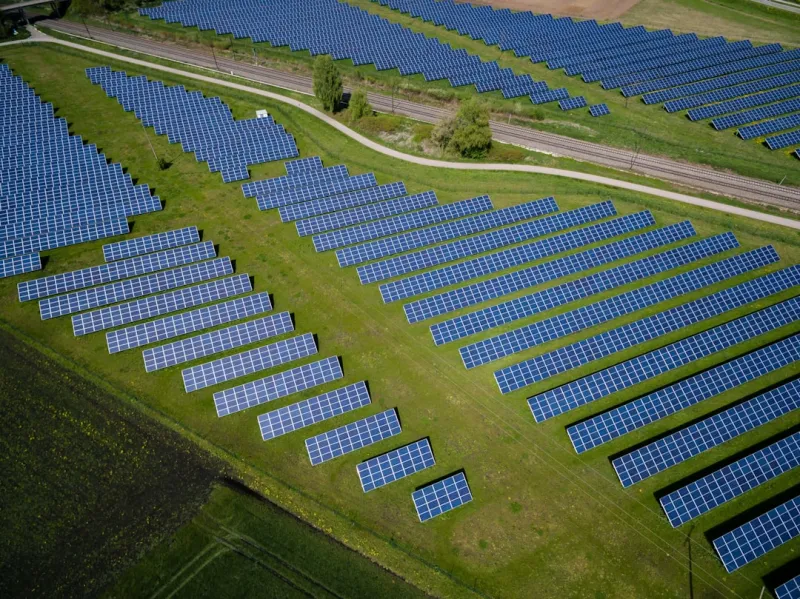
The Rise of Solar Energy: A New Era in Renewable Power
Solar energy is playing an increasingly important role in the transition to a more sustainable futur... Read More

Solar‑Integrated Facades: Merging Design, Performance, and Clean Energy
Solar‑integrated façades turn building skins into powerful, beautiful energy generators. This pos... Read More
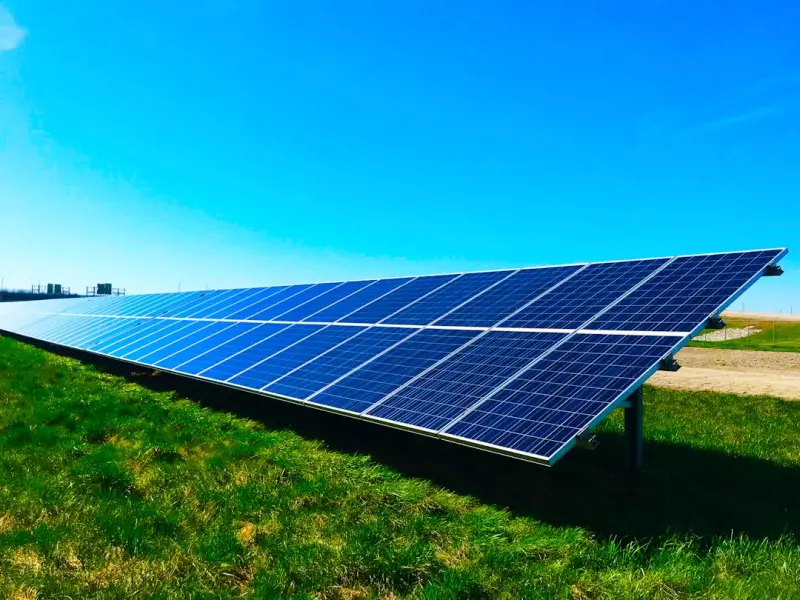
How Solar Microgrids Empower Commercial Resilience
Solar microgrids combine photovoltaic generation, storage, and intelligent controls to turn power ou... Read More
Top Posts

Solar‑Infused Biophilic Design: Turning Light into Wellness
A deep dive into how solar‑powered glazing, adaptive lighting, and living walls combine to transform offices, schools, and homes into wellness‑focused envir...Read More

Why Modern Gutters Are the Unsung Heroes of Sustainable Home Design
Explore the hidden power of gutters in sustainable living. Learn about eco‑friendly materials, rainwater harvesting, maintenance tricks, and how gutters prote...Read More
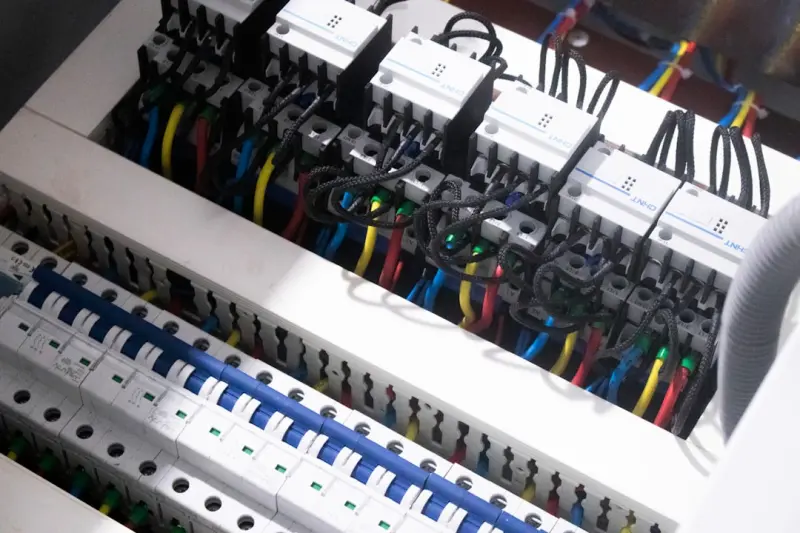
Responsive Edge Controllers: Redefining Electrical Distribution for Modern Facilities
Traditional panels waste energy and risk equipment failure. Learn how responsive edge controllers provide instant load management, integrate renewables, and tur...Read More

Unlocking the Hidden Power of Insulation for a Smarter, Sustainable Home
Explore the unsung hero of sustainable homes—insulation—and learn practical DIY steps, smart tech integration, and material choices that maximize comfort an...Read More
0 Comments
Post Comment
You will need to Login or Register to comment on this post!