
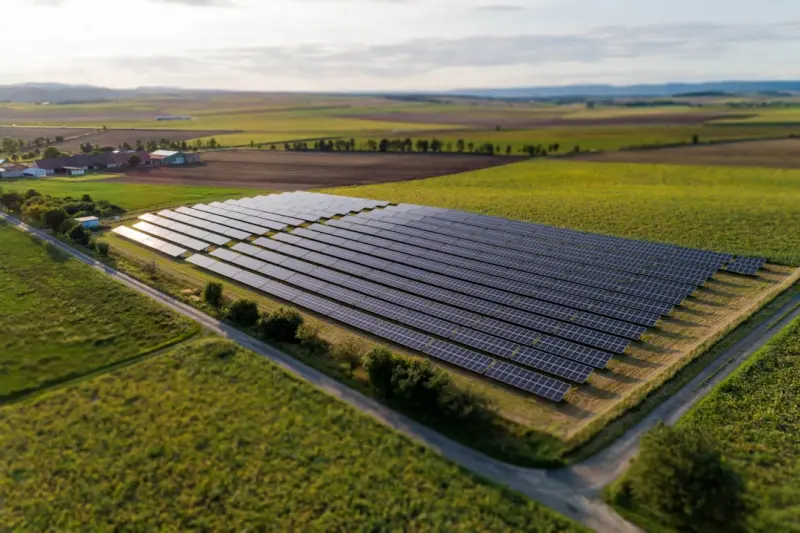
Solar Energy as a Business‑Critical Infrastructure Layer
When most executives think about solar, the image that pops up is a sprawling field of panels feeding the grid. That vision is useful for public policy, but it doesn’t capture the nuanced ways solar can become a core component of a modern enterprise’s operational architecture. In this piece I’ll walk through how solar can evolve from a cost‑saving utility bill line item into a resilient, data‑rich platform that underpins everything from facility uptime to strategic finance.
The Hidden Value of Distributed Generation
Distributed generation isn’t just about avoiding a utility bill; it’s about reclaiming control over the energy lifecycle. By placing solar arrays on warehouses, office rooftops, and even parking structures, companies can decouple a portion of their power consumption from volatile wholesale markets. This autonomy creates a buffer against price spikes and supply disruptions—an advantage that looks especially compelling for firms that rely on continuous production lines or data centers where downtime translates directly into lost revenue.
Beyond the financial upside, distributed solar provides a granular view of generation versus consumption. When combined with real‑time metering, managers can pinpoint exactly where energy is being used most efficiently and where waste is creeping in. That insight is the seed for a feedback loop that drives continuous improvement across the organization.
Solar‑Driven Edge Computing Nodes
One of the most exciting, yet under‑explored, applications of solar is powering edge computing devices. In a world where latency matters—think predictive maintenance alerts on a factory floor or real‑time analytics for a retail supply chain—having a localized compute node that never depends on the main grid can be a game‑changer. Solar panels paired with battery storage can keep these nodes alive even during a grid outage, ensuring that critical analytics remain available when they’re needed most.
This architecture also reduces the data transmission burden on central servers. By processing data at the edge, only distilled insights travel back to the core data lake, cutting bandwidth costs and improving privacy compliance. Companies that embed solar into their edge strategy are essentially building a self‑sustaining digital nervous system for their facilities.
Financing Solar as a Strategic Asset
Traditional cap‑ex models for solar can be a barrier for many organizations. However, innovative financing structures—such as solar‑as‑a‑service, power purchase agreements (PPAs), and green bonds—allow firms to access the benefits of solar without a massive upfront outlay. When solar is treated as a financial instrument, its returns can be measured not just in kWh saved but in risk mitigation, ESG score enhancements, and even tax credit optimization.
Embedding solar into a company’s balance sheet also creates a tangible, depreciable asset that can be leveraged for future capital raises. Investors increasingly demand transparent sustainability metrics, and a well‑documented solar portfolio can serve as a compelling proof point of a firm’s commitment to long‑term resilience.
Integrating Solar Data with Facility Management Platforms
Solar installations generate a wealth of telemetry: panel output, inverter efficiency, temperature, shading losses, and more. When this data is fed into existing facility management software, it becomes a powerful diagnostic tool. For example, a dip in panel efficiency might signal a cleaning need, a fault in an inverter, or an unexpected shading event caused by new construction nearby.
By marrying solar telemetry with maintenance schedules, facilities teams can move from reactive to predictive maintenance regimes. The result is less unplanned downtime, lower service costs, and a longer lifespan for both the solar hardware and the building assets it supports.
Solar Synergy with Emerging Building Technologies
Many of today’s cutting‑edge building systems—such as advanced HVAC controls, dynamic glazing, and autonomous lighting—are designed to respond to real‑time energy signals. When solar generation is woven into this feedback loop, the building can automatically shift loads to periods of high solar output, flattening demand peaks and further reducing reliance on external power.
Consider a large distribution center that uses automated guided vehicles (AGVs). By synchronizing AGV charging cycles with peak solar production, the facility can dramatically cut its peak demand charges. This coordinated approach not only saves money but also extends the life of the battery packs by avoiding deep‑cycle stress.
Case Study: From Roof to Data Hub
One of our partner facilities recently repurposed an aging roof by installing a high‑density solar array equipped with micro‑inverters. The project was not just about generating electricity; the array was integrated with a cloud‑based monitoring platform that feeds live performance metrics into the company’s enterprise resource planning (ERP) system.
The result? The facility now has a real‑time energy dashboard that correlates solar output with production rates, allowing managers to schedule energy‑intensive tasks during sunny periods. Over a twelve‑month period, the site reported a 12% reduction in overall energy cost and a 4% increase in production throughput, directly attributable to the solar‑driven scheduling logic.
Read more about how roofs can become multifunctional platforms in our roof transformation article.
Designing Solar for Future Flexibility
When planning a solar deployment, think beyond the immediate power need. Modular panel systems, adjustable racking, and scalable battery storage give you the flexibility to expand capacity as your business grows or as new technologies become available. This foresight avoids costly retrofits down the line and aligns the solar asset with the company’s long‑term strategic roadmap.
In addition, consider how the solar installation can serve secondary purposes. For instance, panels can be angled to provide shade for outdoor loading docks, reducing the cooling load for adjacent indoor spaces. Or the array’s structural framework can double as a mounting point for IoT sensors, creating an integrated monitoring network without additional construction.
For inspiration on embedding intelligence into structural elements, explore our piece on intelligent building materials.
Conclusion: Solar as a Competitive Differentiator
Solar energy is no longer a peripheral sustainability checkbox; it’s a central pillar of operational excellence for forward‑thinking enterprises. By treating solar as a data‑rich, financially strategic, and technically flexible platform, businesses can unlock new levels of resilience, efficiency, and market advantage. The companies that embed solar deep into their operational DNA will be the ones that thrive in a world where energy certainty is a key differentiator.

Paul Gray is a dynamic blogger based in Brampton, where he shares his life with his amazing wife, Sarah. Known for his engaging writing style and relatable insights, Paul has carved out a niche in the blogging world that resonates with readers from all walks of life. When he's not crafting captivating posts, you can find him savoring a cold beer or indulging in the latest blockbuster movie. With a friendly demeanor and a passion for storytelling, Paul brings a unique perspective to his work, making him not just a blogger, but a voice for those who appreciate the simple joys of life.
Related Posts
Solar‑Powered Edge Computing: Fueling the Next Generation Workplace
Solar‑powered edge computing merges renewable energy with on‑site data processing, delivering lo... Read More
The Rise of Solar Energy: A New Era in Renewable Power
Solar energy is playing an increasingly important role in the transition to a more sustainable futur... Read More
How Solar Microgrids Empower Commercial Resilience
Solar microgrids combine photovoltaic generation, storage, and intelligent controls to turn power ou... Read More
Top Posts

Concrete as a Quiet Architect of Sustainable Spaces
Discover concrete’s untapped potential beyond strength—learn how low‑carbon mixes, embedded sensors, thermal mass, and creative textures can turn this hum...Read More
AI‑Powered Command Centers: The New Backbone of General Contracting
General contractors can overcome labor gaps and schedule overruns by adopting AI‑powered command centers that provide real‑time tracking, predictive resourc...Read More

Reimagining Windows & Doors: Sustainable Design Meets Modern Living
Explore the latest trends in windows and doors, from eco‑friendly materials and smart integration to retrofitting tips, and learn how to make sustainable choi...Read More

Unlocking Hidden Savings: A Modern Homeowner’s Guide to Energy Inspection
Learn how modern energy inspection blends smart data, DIY tools, and AI predictions to uncover hidden savings and qualify for green incentives....Read More
0 Comments
Post Comment
You will need to Login or Register to comment on this post!