

Why One‑Size‑Fits‑All Heating and Cooling Is Dead
When I first walked into a downtown office tower fresh out of engineering school, the HVAC system was a monolithic beast that treated every floor like a single room. The thermostat in the lobby was the only control point, and the complaints from tenants were as predictable as a bad sitcom plot: “It’s too cold on the 5th floor, too hot on the 12th.” That experience taught me a hard lesson—comfort isn’t a single temperature set‑point, it’s a mosaic of micro‑environments that shift with occupancy, activity, and even the weather outside.
Enter Adaptive Climate Zoning
Adaptive climate zoning is the practice of breaking a building’s heating and cooling envelope into intelligent, responsive zones that can be tuned independently. Think of it as the difference between a single‑speed fan and a programmable sound system that adjusts bass, treble, and volume for each room. Modern sensors, variable‑speed fans, and smart actuators work together to create a living, breathing HVAC network that reacts in real time.
The Sensors That Make It Possible
The foundation of any adaptive system is data. Tiny temperature, humidity, CO₂, and occupancy sensors hide in ceiling tiles, air returns, and even light fixtures. They feed a constant stream of information to a central controller that runs sophisticated algorithms. Those algorithms predict where heat will accumulate, where fresh air is needed, and how much energy each zone actually requires.
What’s fascinating is that these sensors can be retrofitted into existing buildings without a major overhaul. A small pilot on the 7th floor can prove the concept, and the data gathered can convince facility managers that the ROI is real.
From Data to Action: The Role of the Controller
All the sensor data in the world is useless without a brain to interpret it. Modern HVAC controllers are essentially edge‑AI platforms that process information locally, reducing latency and keeping bandwidth usage low. They can prioritize comfort in a conference room during a meeting while subtly dialing down airflow in an empty hallway, all without a human flipping a switch.
If you’re curious about how edge computing is already reshaping building systems, you might enjoy exploring the concepts behind edge AI for load balancing. The principles are strikingly similar, just applied to temperature instead of electricity.
Variable Refrigerant Flow (VRF) – The Unsung Hero
VRF technology is the workhorse that lets a single outdoor unit service dozens of indoor heads, each with its own temperature set‑point. Unlike traditional split systems, VRF can modulate the amount of refrigerant flowing to each indoor unit in milliseconds. This precision translates directly into energy savings and a finer control of comfort.
What’s more, VRF pairs beautifully with adaptive zoning because it already expects a heterogeneous set of demands. When a zone’s sensor detects a surge in occupancy, the controller simply tells the VRF system to pump a little more refrigerant there, while pulling back elsewhere.
Integrating Renewable Heat Sources
Adaptive zoning isn’t just about making conventional HVAC smarter; it also opens the door for renewable heat sources. Heat pumps, solar thermal collectors, and even geothermal loops can feed the system where they’re most effective. For example, on a sunny day a rooftop solar thermal array can supply pre‑heated water to a building’s domestic hot water system, while the VRF handles space conditioning.
This hybrid approach reduces reliance on fossil fuels and gives building owners a clear pathway toward carbon neutrality without sacrificing occupant comfort.
Human‑Centric Comfort Metrics
Traditional HVAC design focused on maintaining a static temperature range (usually 68‑74°F). Today, we know that comfort is a multidimensional experience that includes humidity, air movement, and even perceived air quality. Adaptive systems can balance these factors by adjusting fan speed, introducing fresh air, or using localized humidifiers and dehumidifiers.
One of my favorite case studies involved a museum that struggled with static humidity that threatened delicate artifacts. By deploying zone‑level humidistats and linking them to the central controller, we kept relative humidity within a tight band without over‑conditioning the entire space.
Maintenance Becomes Predictive, Not Reactive
When you’ve got a network of sensors and controllers, you also gain a wealth of diagnostic data. This is where the DIY diagnostic revolution comes into play. Technicians can now receive alerts that a coil is fouling, a fan motor is drawing excess current, or a refrigerant line is losing pressure—well before a breakdown occurs.
Predictive maintenance not only reduces downtime but also extends equipment life. It shifts the maintenance culture from “fix it when it breaks” to “optimize it continuously,” which is a game‑changer for large facilities with dozens of HVAC units.
Cost‑Benefit Snapshot
- Energy Savings: Adaptive zoning can cut HVAC energy use by 20‑30% compared to conventional static systems, according to field trials.
- Occupant Productivity: Studies show that a 1°F improvement in perceived comfort can boost worker productivity by up to 3%.
- Maintenance Reduction: Predictive alerts can lower emergency service calls by 40%.
- Scalability: Systems can start small—just a few zones—and expand as budget permits.
The bottom line is clear: the incremental cost of sensors and a capable controller pays for itself within a few years through energy rebates, lower utility bills, and higher tenant satisfaction.
Overcoming Common Barriers
Despite the benefits, many owners hesitate due to perceived complexity. The key is to adopt a phased implementation:
- Audit: Conduct a thermal and occupancy audit to identify the most problematic zones.
- Pilot: Install sensors and a controller in a high‑impact area (e.g., a conference wing).
- Analyze: Use the collected data to model energy savings and comfort improvements.
- Scale: Roll out the solution building‑wide, leveraging the proven ROI.
This approach mirrors the methodology discussed in observable electrical systems, where data‑driven decisions replace guesswork.
Future Horizons: AI‑Driven Climate Orchestration
Looking ahead, the next wave will be full‑blown AI orchestration that not only reacts but anticipates. By feeding weather forecasts, occupancy schedules, and even utility price signals into the controller, the system can pre‑condition spaces at the cheapest, greenest times. Imagine a building that pre‑cools its atrium overnight when electricity is cheap, then lets it coast through the morning rush.
Such foresight will turn HVAC from a cost center into a strategic asset that actively contributes to a building’s sustainability goals.
Closing Thoughts
Adaptive climate zoning isn’t a futuristic fantasy; it’s a practical, data‑driven evolution of HVAC that respects both the planet and the people who live and work inside our buildings. By embracing granular sensing, intelligent control, and renewable integration, we can finally give each occupant the comfort they deserve—without the waste that has plagued traditional systems for decades.
If you’re a facilities manager, architect, or building owner, the question isn’t “if” you should adopt adaptive zoning, but “when.” The tools are here, the data is flowing, and the comfort of tomorrow is already whispering through the vents.

When it comes to the world of blogging and writing, Rose DesRochers is a name that stands out. Her passion for creating quality content and connecting with her audience has made her a trusted voice in the industry. Aside from her skills as a writer and blogger, Rose is also known for her compassionate nature.
Related Posts

AI‑Powered HVAC: Turning Climate Control into Predictive Service
A deep dive into AI‑driven HVAC shows how predictive analytics, smart sensors, and heat‑pump int... Read More
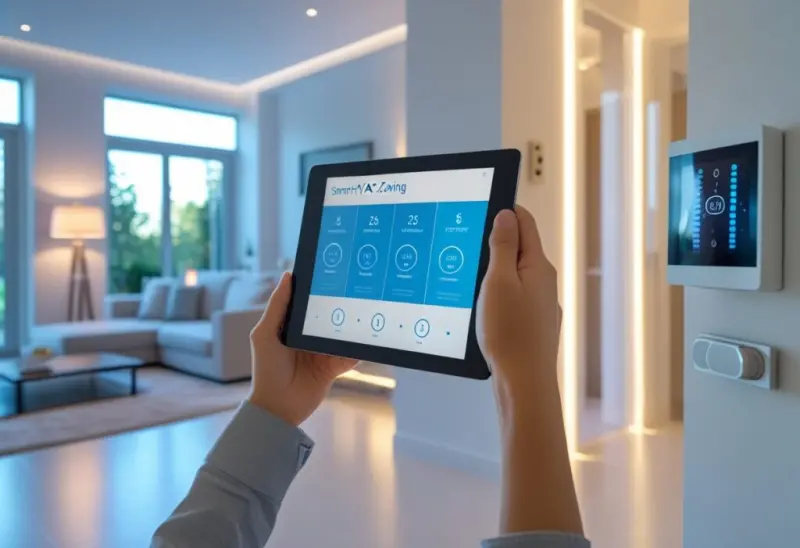
Zoning Your Comfort: A Fresh Take on Smart HVAC Strategies
Learn why traditional HVAC falls short and how zoning, smart thermostats, and efficient maintenance ... Read More

Why Variable Refrigerant Flow Is the Game‑Changer for Modern HVAC
Variable Refrigerant Flow (VRF) systems provide precise temperature control, heat‑recovery capabil... Read More
Top Posts
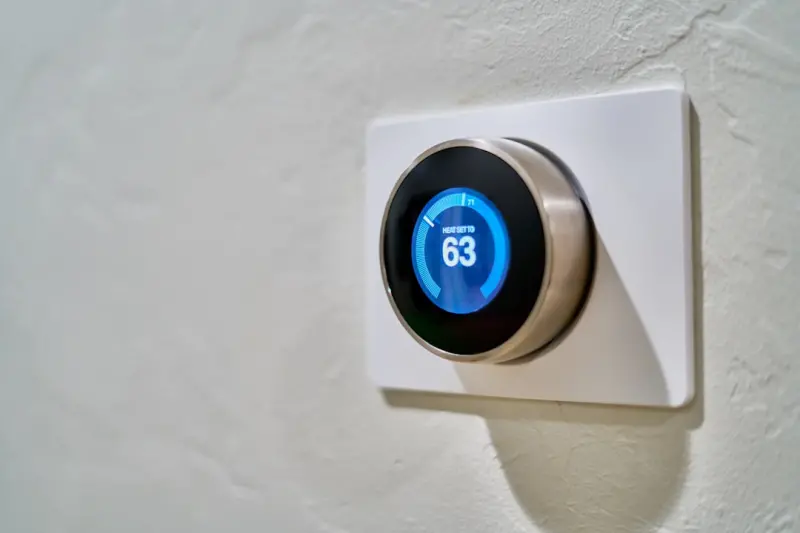
How Smart HVAC Choices Protect Your Health and Wallet
A fresh look at HVAC: learn why smart thermostats, zoning, and regular maintenance safeguard health, cut costs, and keep your home ready for tomorrow’s tech....Read More

Revitalize Your Lawn: A Soil‑First Strategy for Thriving Grass
A soil‑first approach transforms your lawn into a resilient, low‑maintenance oasis. Learn how to test, amend, and nurture the ground beneath for lasting gre...Read More
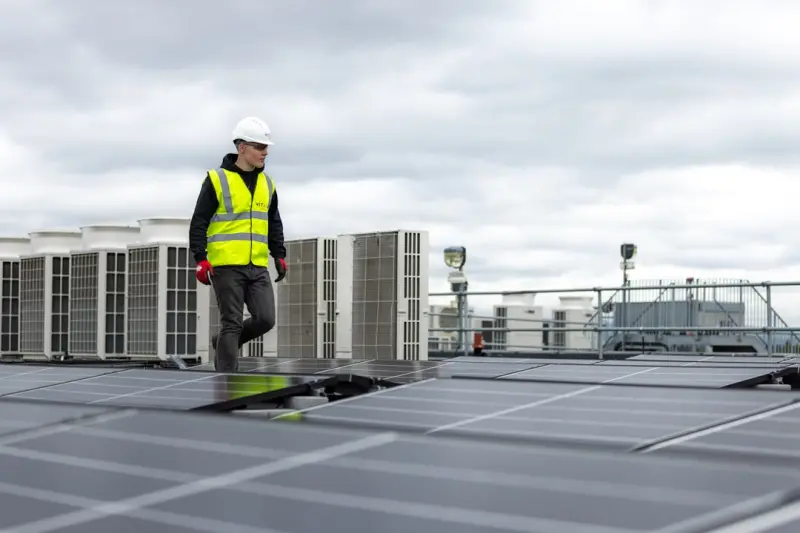
Turning HVAC Into a Predictive Profit Engine
Predictive maintenance turns HVAC from reactive repairs into a revenue driver. Learn how sensors, digital twins, and service subscriptions can boost profitabili...Read More

When Streets Generate Power: The Rise of Energy‑Harvesting Pavement
Energy‑harvesting pavement turns everyday roads into clean‑energy generators, cutting urban heat, managing stormwater, and feeding smart‑city devices—al...Read More
0 Comments
Post Comment
You will need to Login or Register to comment on this post!