

Why Observable Electrical Systems Are the Next Big Leap for Building Performance
When I first cut my teeth in the field, the electrical room was a place you entered once a year, turned a few knobs, and hoped the breaker didn’t trip. Fast‑forward to today, and that same room can now talk to you, predict its own failures, and even suggest optimizations before a single watt is wasted. This isn’t hype; it’s the emergence of observable electrical infrastructure—a paradigm shift that’s turning static panels into living, data‑rich ecosystems.
From Dark Boxes to Digital Twins of Your Power Grid
In the old days, a panel board was a set of metal plates and fuses that you could only understand by physically tracing wires. Now, each circuit breaker can stream telemetry to the cloud, giving us real‑time snapshots of voltage, current, temperature, and harmonic distortion. When you combine that data with digital twins, you get a virtual replica of your entire electrical backbone. The twin isn’t just a visual model—it’s a simulation engine that can forecast load spikes, run what‑if scenarios, and flag anomalies before they become costly outages.
Key Benefits That Make Observability a Must‑Have
- Proactive Maintenance: Sensors on breakers and transformers alert facilities teams to overheating or abnormal cycling, enabling replacement before a catastrophic failure.
- Energy Efficiency Gains: Granular consumption data uncovers hidden loads—think phantom power in idle equipment—that can be curtailed or scheduled for off‑peak periods.
- Regulatory Compliance: Detailed logs satisfy increasingly stringent standards for emergency lighting, fire alarm circuits, and critical load redundancy.
- Operational Visibility: Facility managers gain a single pane of glass that aggregates power quality, demand response events, and renewable integration metrics.
How to Build an Observable Electrical System
Transitioning from a legacy panel to an observable system isn’t a magic button; it’s a staged approach. Below is a practical roadmap I’ve refined over the past decade.
1. Inventory and Baseline Assessment
Start by cataloguing every piece of equipment: breakers, contactors, motor starters, and even UPS units. Use a handheld scanner that reads QR codes or RFID tags to log asset details directly into a CMMS (Computerized Maintenance Management System). This baseline becomes the reference point for all future analytics.
2. Deploy Smart Sensors
Install current transformers (CTs), temperature probes, and voltage transducers on critical nodes. Modern sensors are often plug‑and‑play, communicating over wireless protocols like Zigbee or Thread. For high‑voltage panels, opt for hardened, intrinsically safe devices that can survive the harsh environment.
3. Integrate with a Data Platform
Choose a cloud‑native data lake that can ingest high‑frequency telemetry (1‑second granularity is common). Open‑source tools such as InfluxDB for time‑series storage and Grafana for visualization work well, but many vendors now offer turnkey solutions that bundle edge gateways with SaaS dashboards.
4. Apply Edge Intelligence
Running analytics at the edge reduces latency and bandwidth usage. Edge AI load balancing algorithms can rebalance loads in milliseconds, shedding non‑critical circuits during a demand‑response event without human intervention.
5. Create a Digital Twin
Map your physical assets to their virtual counterparts. Connect the data streams so that any change in the real world instantly updates the twin. Use this model to run simulations—like adding a new EV charging station—to see how it impacts the overall load profile before you pull a single wire.
6. Define Alerts and Automations
Set thresholds for temperature, over‑current, and power factor. When an alert triggers, the system can automatically open a work order, notify the maintenance crew via mobile app, or even isolate a faulty branch circuit to preserve critical loads.
7. Continuous Improvement Loop
Every month, review the analytics reports. Look for patterns—perhaps a specific floor consistently exceeds its design load during certain hours. Use those insights to optimize scheduling, upgrade equipment, or shift loads to off‑peak windows.
Real‑World Use Cases That Prove the Value
Data Center Tier‑IV Facilities
High‑density data centers demand zero downtime. By instrumenting each PDU (Power Distribution Unit) with smart meters, operators can detect a single‑phase imbalance in under a second and trigger an automated load migration, keeping SLA (Service Level Agreement) breaches at bay.
Manufacturing Plants with Variable Speed Drives (VSDs)
VSDs introduce harmonic distortion that can degrade equipment life. Observable systems monitor the harmonic spectrum, allowing engineers to fine‑tune drive settings in real time, extending motor lifespan and reducing maintenance spend.
Commercial Office Towers Embracing Demand‑Response
Utility programs reward buildings that shed load during peak periods. With real‑time visibility, a building management system can dim non‑essential lighting, throttle HVAC zones, and even shift non‑critical compute workloads to the cloud—all without occupants noticing a dip in comfort.
Challenges and How to Overcome Them
While the upside is compelling, the journey isn’t without obstacles.
- Legacy Compatibility: Older panels may lack space for sensor mounting. Solution: use clamp‑on CTs and wireless modules that don’t require intrusive retrofits.
- Data Overload: Millions of data points can overwhelm analysts. Solution: implement edge processing to filter and aggregate data before sending it upstream.
- Cybersecurity Risks: Exposing electrical equipment to networks invites threats. Solution: employ zero‑trust architecture, encrypt all communications, and segment the OT (Operational Technology) network from IT.
- Skill Gap: Facilities teams may not be versed in data analytics. Solution: partner with a vendor that provides training and a user‑friendly dashboard, turning raw numbers into actionable insights.
The Future: Self‑Healing Grids and Autonomous Power Management
Imagine a building where a breaker that trips due to overload instantly reconfigures the network, reroutes power through alternative pathways, and notifies the manager—no human hands required. This vision is already materializing thanks to the convergence of AI‑driven solar integration, edge analytics, and high‑resolution sensor data. As standards like IEC 61850 evolve to support finer‑grained communication, we’ll see fully autonomous microgrids that self‑balance, self‑heal, and self‑optimize.
Practical First Steps for Your Organization
- Secure Executive Sponsorship: Frame the initiative as a risk mitigation and cost‑avoidance project—highlight ROI from reduced downtime and energy savings.
- Start Small: Pilot observable technology on a single high‑value circuit, such as a data center rack or critical medical equipment.
- Measure Success: Track key metrics like Mean Time To Repair (MTTR), energy consumption reduction, and compliance audit scores.
- Scale Gradually: Use lessons learned from the pilot to expand to the entire facility, adjusting sensor density and analytics sophistication as needed.
In my career, I’ve seen technology cycles come and go, but the shift toward truly observable electrical systems feels like the foundational change that will define the next decade of building performance. The panels are no longer silent custodians; they’re conversational partners that help us run smarter, greener, and more resilient spaces.

Craig Brett is a freelancer with a passion for the outdoors. His love for nature inspires his work, bringing authentic and engaging perspectives to projects related to outdoor activities, adventure, and environmental topics.
Related Posts

Why Power‑over‑Ethernet Is the Unsung Hero of Modern Building Intelligence
Power‑over‑Ethernet merges power and data in a single cable, cutting costs and simplifying insta... Read More
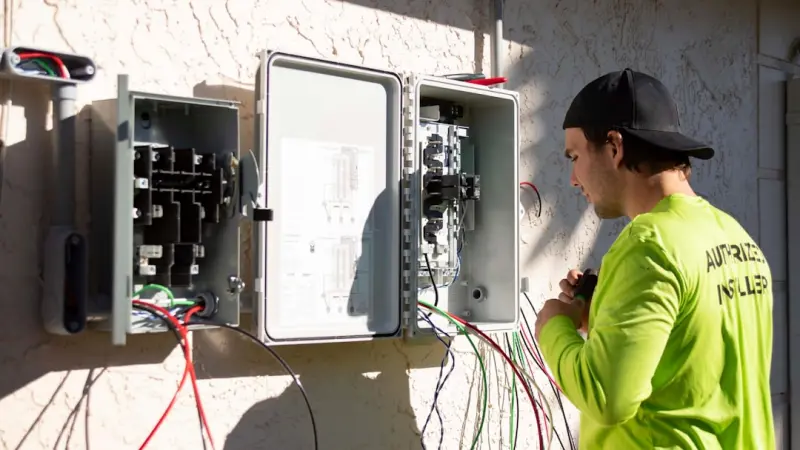
Modular Electrical Distribution: Building Agile Power for Modern Workplaces
A deep dive into modular electrical distribution, exploring its components, benefits, real‑world a... Read More
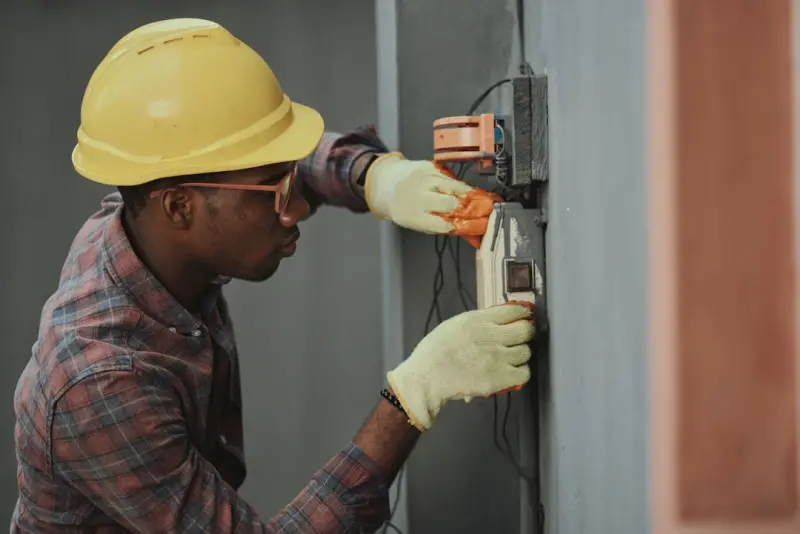
Electrifying the Bottom Line: How Smart Panels Turn Power Into Profit
Smart electrical panels are evolving from passive distributors to active data hubs, offering real-ti... Read More
Top Posts

Elevating Home Comfort: A Fresh Look at Windows and Doors
Explore the latest frame materials, glazing tech, security hardware, and design trends that turn windows and doors into high‑impact assets for any home....Read More

Flooring Fundamentals: How Your Choice Shapes Comfort, Health, and Home Identity
Explore how flooring choices influence comfort, health, and style. From sustainable materials to smart heating, get actionable tips for a resilient, beautiful h...Read More

Sustainable Bathroom Renovations: A Greener Approach
Sustainable bathroom renovations are an excellent way to reduce your carbon footprint and create a healthier living space. Learn how to create a greener bathroo...Read More

Reimagining the Garage: From Parking Spot to Power Hub
Discover how to turn a traditional garage into a flexible, energy‑efficient hub that accommodates EV charging, a workshop, and smart home integration—all wh...Read More
0 Comments
Post Comment
You will need to Login or Register to comment on this post!