

Why Plaster Is the Unsung Hero of Sustainable Building
When I first stepped onto a construction site fresh out of design school, the glossy drywall and sleek paint finishes stole the spotlight. Plaster, with its old‑world charm, was relegated to the background – a “nice‑to‑have” for heritage projects but rarely considered in modern, eco‑focused builds. Over the past decade I’ve watched the industry pivot toward greener materials, yet plaster remains stubbornly under‑appreciated. In this post I want to flip that narrative and show how plaster can be a climate‑smart, health‑promoting, and aesthetically versatile component of today’s building toolkit.
From Ancient Mortar to Modern Green Material
Plaster’s lineage stretches back to the caves of Lascaux, where early humans mixed gypsum with animal fats to create a protective coating on stone. Fast forward a few millennia, and the Romans were engineering massive plaster facades that still stand today. What makes this material timeless is its simplicity: gypsum, lime, sand, and water. Those ingredients are abundant, low‑impact, and, crucially, recyclable.
Modern manufacturers have taken that ancient formula and refined it with two key innovations:
- Supplementary binders – recycled paper fibers, fly‑ash, and even mycelium can replace a portion of the traditional binder, cutting embodied carbon.
- Performance additives – phase‑change microcapsules, hydrophobic agents, and nano‑silica improve thermal mass, moisture regulation, and durability without sacrificing the material’s natural breathability.
Thermal Mass: Plaster as a Passive Heating & Cooling Ally
One of plaster’s most underrated qualities is its ability to store and release heat. In climates with wide temperature swings, a well‑designed plaster wall can act as a thermal battery, absorbing excess heat during the day and gently releasing it at night. This passive regulation reduces reliance on HVAC systems, directly lowering a building’s operational carbon footprint.
Here’s a quick how‑to for leveraging plaster’s thermal mass:
- Choose a high‑density mix. Adding a modest amount of sand (up to 30 % by volume) increases thermal conductivity without compromising workability.
- Integrate phase‑change materials (PCMs). Micro‑encapsulated PCMs melt at a target temperature (typically 22‑24 °C) and store latent heat, smoothing out temperature spikes.
- Pair with strategic insulation. Combine plaster with smart insulation strategies to prevent unwanted heat loss through the back of the wall.
- Finish with a breathable coat. Lime‑based topcoats allow moisture to migrate, preserving the wall’s ability to “breathe” and preventing mold.
Air Quality Benefits Beyond Acoustics
Plaster has a natural knack for regulating indoor humidity. Its porous surface absorbs excess moisture when the air is damp and releases it when the environment dries out. This hygroscopic behavior helps maintain a balanced indoor climate, which is essential for occupant health.
While many readers may be familiar with acoustic plaster, the acoustic plaster solutions often double as moisture buffers. However, the health benefits extend further:
- Reduced VOCs. Unlike synthetic wall panels that off‑gas chemicals, natural gypsum releases virtually no volatile organic compounds.
- Microbial resistance. Lime‑based plaster creates an alkaline surface (pH ≈ 12) that inhibits bacterial and fungal growth.
- Improved respiratory comfort. By stabilizing humidity, plaster minimizes dust agglomeration, which can trigger allergies.
Design Flexibility: From Subtle Texture to Sculptural Statement
When it comes to aesthetics, plaster offers a canvas that few other building skins can match. Here are three design pathways that allow architects and DIY enthusiasts alike to inject personality into a space:
1. Subtle, Hand‑Finished Textures
Using a trowel or a sponge, you can create a range of finishes—from smooth, polished surfaces that reflect light like a modern gallery wall, to softly brushed textures that add depth without visual clutter. The key is to work while the plaster is “green,” allowing you to manipulate the surface before it sets.
2. Pigmented & Stained Plaster
Integrating natural pigments (iron oxides, ochres, and ultramarines) directly into the mix yields a uniform, long‑lasting color that won’t peel or chip. For an even richer effect, apply a thin, breathable lime wash on top. This technique is especially popular in Mediterranean‑inspired interiors and can be customized to match any brand palette.
3. Sculptural Relief
Think of plaster as a three‑dimensional medium. By applying multiple layers and carving while the material is still pliable, you can embed patterns, motifs, or even functional elements like recessed lighting. This approach transforms a plain wall into a storytelling surface, echoing the narrative‑driven design trend without the need for expensive art installations.
Eco‑Friendly Mix Recipes You Can Try at Home
For the hands‑on reader, here are two low‑impact plaster recipes that balance performance and sustainability.
Recipe A: Recycled‑Paper Gypsum Plaster
- 1 part gypsum powder
- 0.3 part finely shredded recycled paper (dry)
- 0.2 part sand (fine)
- Water – add gradually to achieve a creamy consistency
The paper fibers act as a natural reinforcement, improving tensile strength while diverting waste from landfills. This mix is ideal for interior partitions and decorative panels.
Recipe B: Lime‑Fly‑Ash Hybrid Plaster
- 0.6 part hydrated lime
- 0.4 part fly‑ash (class F)
- 0.5 part sand (medium grain)
- Water – enough for a smooth, pourable mix
Fly‑ash, a by‑product of coal combustion, reduces the overall carbon intensity of the plaster while lime adds carbonation benefits over the life of the wall. The hybrid is perfect for exterior façades where durability and breathability are paramount.
Integrating Plaster Into a Modern Renovation Workflow
Renovation projects often feel like a juggling act of timelines, budgets, and code compliance. Adding plaster to the mix may seem daunting, but with a systematic approach it can become a seamless part of the process. I’ve distilled my experience into a comprehensive renovation checklist that includes plaster‑specific milestones:
- Material sourcing. Verify that the gypsum or lime product meets local VOC and fire‑rating standards.
- Mock‑up testing. Apply a small test panel to evaluate texture, drying time, and compatibility with existing finishes.
- Substrate preparation. Ensure walls are clean, dry, and free of loose material. For older masonry, apply a bonding agent to improve adhesion.
- Environmental control. Maintain temperature (18‑24 °C) and relative humidity (40‑60 %) during application to prevent cracking.
- Finishing schedule. Plan for at least 48 hours of curing before any paint, wallpaper, or mechanical installation.
Plaster’s Role in Fire Safety
Beyond its aesthetic and environmental merits, plaster is an excellent fire‑resistant material. Gypsum contains chemically bound water; when exposed to high heat, this water is released as steam, absorbing energy and slowing temperature rise. In many building codes, a two‑hour fire rating can be achieved with a modest plaster layer over steel studs.
For architects seeking to meet stringent fire codes without resorting to heavy, opaque fireproof cladding, plaster offers a lightweight, transparent solution that preserves interior daylight.
Addressing Common Misconceptions
Myth 1: Plaster is only for “old‑world” aesthetics. While plaster has historic roots, modern mixes and finishes can easily blend with minimalist or industrial designs.
Myth 2: It’s labor‑intensive and costly. Advances in pre‑mixed, ready‑to‑apply plasters have streamlined installation. When factoring in long‑term energy savings and durability, plaster often proves more cost‑effective than synthetic alternatives.
Myth 3: Plaster can’t handle humidity‑rich environments. Properly formulated lime‑based plasters excel in damp climates, allowing walls to “breathe” and preventing moisture‑related damage.
Future Outlook: Smart Plaster and the Internet of Things
Imagine a plaster wall that not only regulates temperature but also monitors indoor air quality in real time. Researchers are embedding low‑power sensors within the plaster matrix, creating “smart plaster” that can detect humidity spikes, VOC levels, and even structural strain. These sensors draw power from the thermal energy stored in the plaster itself, making the system virtually maintenance‑free.
While still in experimental stages, this technology aligns perfectly with the broader trend of building‑embedded intelligence. As the market matures, we can expect a new generation of plaster that acts as both a passive envelope and an active data platform.
Getting Started: A Practical First Project
If you’re eager to dip your toes into sustainable plastering, begin with a modest interior feature wall. Here’s a step‑by‑step roadmap:
- Define the purpose. Is it a visual accent, a thermal buffer, or a moisture regulator?
- Select the mix. Choose a recipe that aligns with your performance goals (e.g., recycled‑paper for texture, lime‑fly‑ash for fire rating).
- Prepare the surface. Clean, prime, and apply a bonding coat if needed.
- Apply the base coat. Use a hawk and trowel to spread an even layer (≈ 5 mm thick). Allow it to set but remain workable.
- Texture or sculpt. While the base is still tacky, create your desired finish with a sponge, trowel, or carving tool.
- Cure responsibly. Keep the wall moist (light misting) for 24 hours to prevent rapid drying and cracking.
- Seal (optional). A breathable lime wash can enhance durability while preserving vapor permeability.
Conclusion: Embrace Plaster as a Sustainable Superhero
Plaster has been quietly waiting in the wings, ready to step into the spotlight of green building. Its low‑impact raw materials, inherent thermal mass, moisture‑balancing abilities, and fire‑resistant properties make it a compelling alternative to the synthetic wall systems that dominate the market today. By experimenting with recycled additives, integrating smart sensors, and embracing its design flexibility, architects, contractors, and DIY enthusiasts can unlock a new realm of sustainable, healthy, and beautiful interiors.
So the next time you draft a renovation plan or design a new build, ask yourself: What could a wall made of plaster do for my project’s carbon budget, occupant well‑being, and aesthetic ambition? The answer might just be more exciting than you imagined.

When it comes to the world of blogging and writing, Rose DesRochers is a name that stands out. Her passion for creating quality content and connecting with her audience has made her a trusted voice in the industry. Aside from her skills as a writer and blogger, Rose is also known for her compassionate nature.
Related Posts
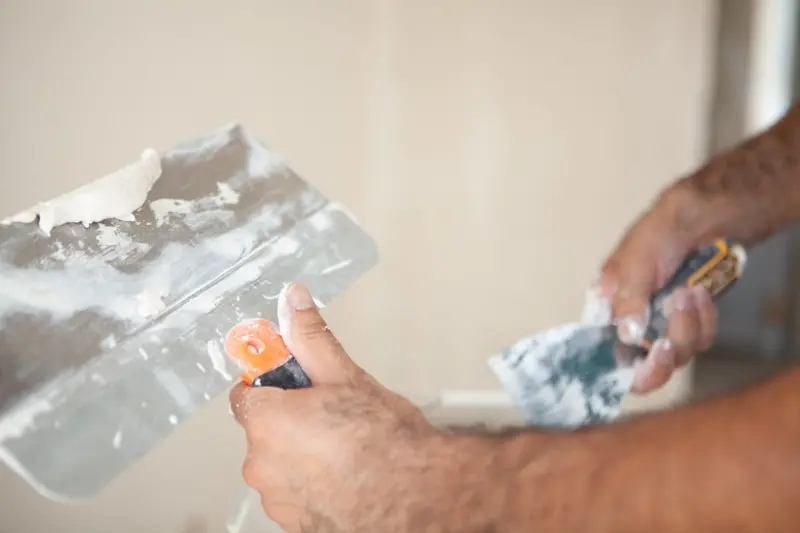
Why Modern Plastering Is the Unsung Hero of Sustainable Building
A deep dive into how eco‑friendly binders, health‑focused finishes, and digital tools are transf... Read More

The Timeless Appeal of Plaster: Sustainable, Healthy, and Stylish Walls
Explore the sustainable, health‑boosting, and design‑forward world of plaster, from eco‑binder... Read More
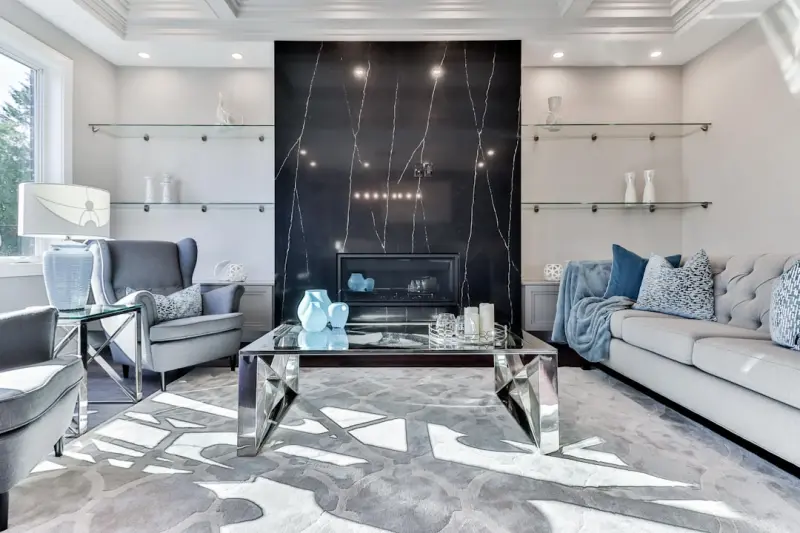
Plastering: The Unsung Hero of Modern Interiors
Plastering isn’t just a finish—it’s a design tool. I share how to choose the right mix, master... Read More
Top Posts
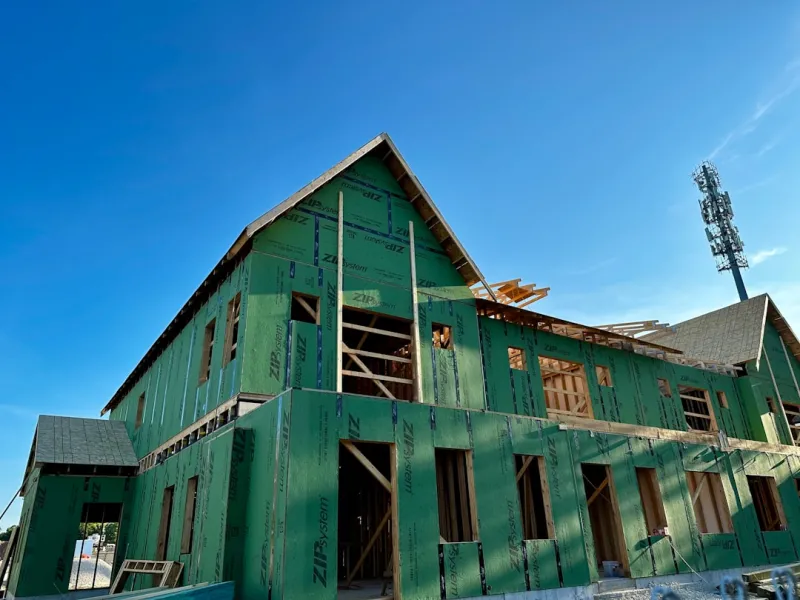
Sustainable General Contracting: Building Value with Purpose
Explore the evolving world of general contracting, where sustainable materials, design‑build collaboration, and cutting‑edge tech combine to create resilien...Read More

Breathing New Life Into Heirloom Furniture: A Restorer’s Journey
Explore how a restorer blends emotion, sustainability, and modern comforts to transform heirloom furniture into timeless, adaptable pieces that honor history wh...Read More

Beyond the Checklist: How AI‑Powered Energy Inspections Are Redefining Facility Performance
Traditional energy inspections miss hidden waste. This post explains how AI‑driven sensors, digital twins, and automated workflows give facility managers real...Read More

The Sustainability Shift in Plumbing: How to Make Your Home More Eco-Friendly
The plumbing industry is undergoing a significant transformation, with homeowners seeking sustainable solutions to reduce their environmental footprint and save...Read More
0 Comments
Post Comment
You will need to Login or Register to comment on this post!