

Rethinking the Deck as an Outdoor Living Room
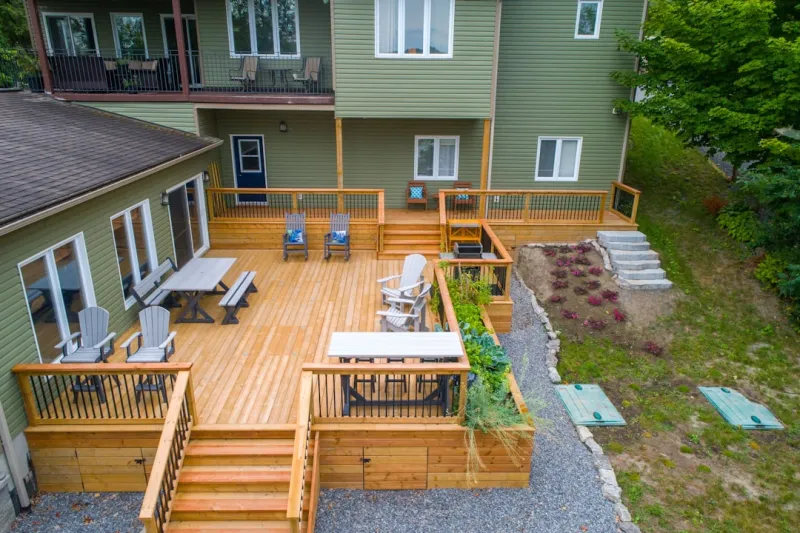
When homeowners finally step beyond the threshold of the interior, they often discover a space that feels like a forgotten cousin of the main living area—a deck that can be transformed into a true outdoor living room with the right mindset and design strategy, and this transformation begins with a clear intention to treat the deck as an extension of daily life rather than a seasonal afterthought. By evaluating how family members use the interior spaces for work, relaxation, and entertainment, you can map those functions onto the deck, ensuring that each zone feels purposeful, inviting, and seamlessly connected to the house’s overall flow, which in turn encourages more frequent use and deeper emotional attachment to the outdoor environment. The result is a deck that feels less like an outdoor appendage and more like a natural continuation of the home’s rhythm, where morning coffee, afternoon reading, and evening gatherings coexist in harmony under the open sky.
Modular Design: Crafting Flexible Zones
One of the most powerful tools in contemporary deck design is the concept of modular furniture, which allows homeowners to rearrange seating, tables, and accessories with minimal effort, thereby adapting the space to a wide variety of activities ranging from intimate dinner parties to lively game nights, and this flexibility is especially valuable in smaller urban backyards where every square foot must earn its keep. By selecting pieces that stack, fold, or interlock, you create a deck that can transition from a relaxed lounge area with low-profile sofas and a fire pit to an open-air office equipped with a sturdy desk, ergonomic chair, and discreet power strips, all without the need for permanent structural changes that could limit future redesign options. Embracing modular design also encourages experimentation, inviting homeowners to test new layouts seasonally and discover fresh ways to enjoy their outdoor sanctuary without committing to a single, static configuration.
Built‑In Storage and Green Accents
Integrating built‑in storage solutions directly into the deck’s framework not only declutters the surrounding garden but also creates a seamless aesthetic where planters, tool chests, and seating share a common material palette, reinforcing a cohesive visual language that feels both intentional and refined. By incorporating recessed benches with hidden compartments, low-profile cabinets that double as side tables, and raised planter boxes that echo the deck’s joist lines, you provide homeowners with convenient places to stash cushions, outdoor games, and gardening supplies while simultaneously introducing lush greenery that softens hard edges and improves micro‑climate conditions through natural evapotranspiration. Selecting reclaimed timber or responsibly sourced lumber for these elements adds a narrative of sustainability and craftsmanship, turning functional storage into a storytelling feature that celebrates the deck’s role as a living, breathing part of the property.
Smart Technology Integration
Modern decks are increasingly becoming platforms for discreet technology, where low‑voltage LED lighting, weather‑proof speakers, and strategically placed power outlets converge to create an ambiance that adapts to both daylight and nightfall, enhancing comfort without intruding on the natural aesthetic of the space. By routing conduit through the deck’s joist cavities, you can hide wiring for string lights that glow softly under a pergola, install motion‑sensor fixtures that illuminate pathways safely, and provide USB‑ready stations that keep devices charged during outdoor work sessions or leisurely streaming, all while maintaining a clean, uncluttered surface that invites barefoot relaxation. This thoughtful integration ensures that the deck remains a functional extension of the home’s technology ecosystem, offering convenience and entertainment without compromising the serene, tactile experience that draws people outdoors.
Sustainable Material Choices for Longevity
Choosing the right decking material is a decisive factor in balancing durability, maintenance demands, and environmental impact, and options such as composite boards made from recycled plastics and wood fibers, FSC‑certified hardwoods, and low‑maintenance bamboo provide pathways to a greener deck that stands the test of time. Composite decking, for instance, resists rot, splintering, and insect damage while requiring only occasional cleaning, whereas responsibly harvested hardwoods deliver a natural warmth and timeless grain that deepens in character as they age, especially when finished with a low‑VOC sealant that protects against moisture and UV exposure. By evaluating factors like lifecycle cost, carbon footprint, and local climate suitability, homeowners can make informed decisions that align with both aesthetic preferences and a commitment to environmental stewardship, ultimately creating a deck that serves generations while reducing its ecological imprint.
Prefabricated Modules: Speed and Precision
For those who crave efficiency without sacrificing quality, the rise of prefabricated modules offers a compelling alternative to traditional on‑site construction, delivering factory‑crafted deck sections that arrive ready to assemble, dramatically reducing installation time and minimizing the disruption caused by weather or labor delays. These modular components are engineered to precise tolerances, ensuring perfect alignment of joists, railing systems, and support brackets, which not only enhances structural integrity but also provides a smoother surface that feels comfortable under bare feet and supports a variety of furniture configurations. By opting for a prefabricated approach, homeowners benefit from predictable costs, reduced waste, and the confidence that comes from knowing each piece has been rigorously tested for performance before it even reaches the backyard.
Hand‑Cut Joinery: Elevating Craftsmanship
While mass‑produced deck parts offer convenience, incorporating elements of hand‑cut joinery can infuse the outdoor space with a level of artistry and tactile richness that celebrates traditional woodworking techniques, creating visible joints such as mortise‑and‑tenon, dovetail, or finger‑spliced connections that not only enhance structural strength but also serve as visual focal points that speak to the skill of the builder. By selectively applying hand‑cut joinery to high‑visibility areas like the perimeter railing, stair treads, or custom pergola beams, you introduce subtle details that catch the eye and invite closer inspection, turning the deck into a gallery of craftsmanship where each joint tells a story of precision, patience, and pride. This blend of modern convenience with time‑honored methods results in a deck that feels both contemporary and timeless, appealing to homeowners who value authenticity and the enduring beauty of well‑executed woodwork.
Low‑Maintenance Strategies for Year‑Round Use
Ensuring that a deck remains inviting throughout the seasons requires a proactive maintenance plan that addresses cleaning, sealing, and occasional repairs before minor issues become costly problems, and adopting a routine that includes sweeping debris, pressure‑washing with a mild detergent, and applying a high‑performance sealant at the start of each dry season can preserve the deck’s appearance and protect it from moisture infiltration. Incorporating a simple drainage system—such as slightly sloping the deck surface away from the house, installing discreet weep holes, or integrating a hidden gutter channel—prevents water pooling, which is a common culprit for wood rot and composite warping, while regular inspection of fasteners and hidden brackets allows you to tighten or replace hardware before it loosens due to temperature fluctuations. By treating the deck as a living component of the home that requires periodic care, you extend its lifespan, maintain safety, and keep the space ready for spontaneous gatherings at any time of year.
Future‑Proofing: Designing for Adaptability
As lifestyles evolve and new trends emerge, a forward‑thinking deck design embraces adaptability, allowing homeowners to easily incorporate future upgrades such as built‑in grills, outdoor kitchens, or even small‑scale greenhouses without the need for extensive remodeling, and this adaptability can be achieved by installing a robust sub‑structure with extra joist spacing, providing ample load‑bearing capacity for heavier appliances and modular add‑ons that may be introduced later. Planning for concealed utility pathways, like conduit channels and water lines, ensures that installing additional lighting, irrigation, or even a hot tub becomes a straightforward process, while incorporating interchangeable decking panels or removable decking tiles offers the flexibility to swap out surface finishes or colors as design preferences shift over time. By embedding adaptability into the deck’s core design, homeowners create a resilient outdoor platform that grows with their needs, delivering lasting value and the freedom to reimagine the space without starting from scratch.

Paul Gray is a dynamic blogger based in Brampton, where he shares his life with his amazing wife, Sarah. Known for his engaging writing style and relatable insights, Paul has carved out a niche in the blogging world that resonates with readers from all walks of life. When he's not crafting captivating posts, you can find him savoring a cold beer or indulging in the latest blockbuster movie. With a friendly demeanor and a passion for storytelling, Paul brings a unique perspective to his work, making him not just a blogger, but a voice for those who appreciate the simple joys of life.
Related Posts
Elevate Your Outdoor Space: The Ultimate Deck Design Guide
Create a stunning outdoor oasis with our ultimate deck design guide. Learn about materials, design e... Read More

Revitalizing Outdoor Living: The Smart, Sustainable Deck Transformation
Discover the secrets to creating a smart, sustainable deck that acts as an outdoor living room—fea... Read More

Reimagining Decks: Turning Outdoor Platforms into Data‑Driven Business Assets
This post explores how modern decks can evolve from seasonal patios into intelligent, revenue‑gene... Read More
Top Posts

Masonry Unlocked: Data‑Driven Craftsmanship for Resilient Cities
Masonry is evolving from a static craft to a data‑driven system. This post reveals how real‑time analytics, AI‑enhanced design, and smart sensors are resh...Read More

Your Complete Energy‑Efficient Renovation Checklist
A practical, personal guide to planning and executing energy‑saving home renovations, from airtight sealing to smart HVAC and lighting solutions....Read More

Revitalizing Commercial Spaces: The Business Case for Human‑Centric Renovations
A fresh look at commercial renovations that puts humans at the core—learn why biophilic design, flexible layouts, and smart systems are the secret weapons for...Read More

Insulation Uncovered: A Homeowner’s Data‑Driven Path to Real Comfort
A homeowner’s step‑by‑step guide to auditing, selecting, and integrating insulation for real comfort and lower bills, using data and smart‑home tools....Read More
0 Comments
Post Comment
You will need to Login or Register to comment on this post!