
Why a Portable Repair Kit Is the Ultimate DIY Companion
Every weekend I find myself rummaging through drawers, hunting for that one screwdriver that vanished months ago, and it hits me: the chaos of scattered tools is a silent productivity killer. Consolidating the essentials into a single, portable kit transforms those frantic minutes into swift, confident action, letting me tackle leaks, squeaks, and minor electrical glitches without a second thought. This isn’t just about convenience; it’s a strategic investment in home resilience, reducing the need for costly emergency calls. By treating the kit as a “first‑aid box” for your house, you embed a proactive mindset that pays dividends in time, stress, and wallet. The following sections walk you through curating the perfect lineup, packing it intelligently, and applying it to real‑world repairs that most homeowners overlook.
The Core Tools Every Homeowner Should Carry
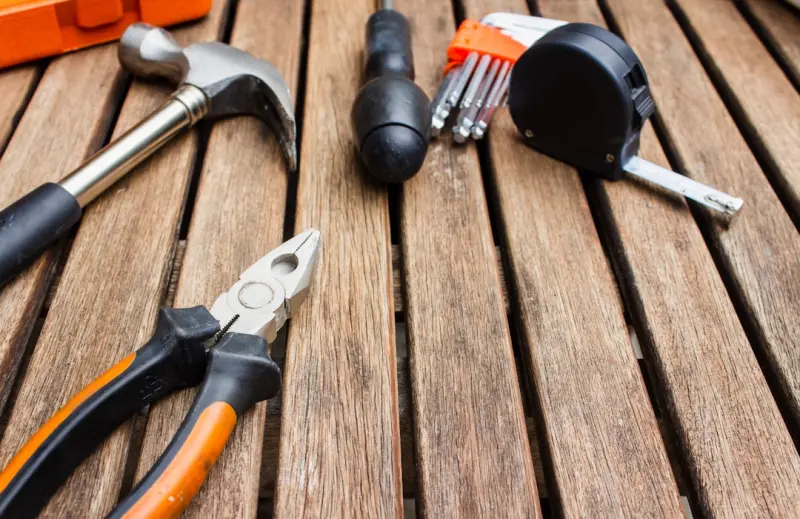
Start with a high‑quality, ratcheting screwdriver set covering flat‑head, Phillips, and Torx sizes, because mismatched bits are the silent saboteurs of many repairs; a sturdy set eliminates stripped screws and saves precious minutes. Pair this with an adjustable wrench that can grip pipes, nuts, and bolts of varying diameters, ensuring you’re never caught short when a faucet drips or a garden hose leaks. A compact, cordless drill with a spare battery is indispensable—think of it as the Swiss Army knife of power, capable of driving screws, drilling pilot holes, and even removing stubborn fasteners. Finally, add a set of needle‑nose pliers, a utility knife, and a small flashlight; these “soft‑skill” tools often become the linchpin in tight spaces, allowing you to cut, bend, or illuminate without compromising safety. By selecting tools that offer maximum versatility in minimal form, you build a kit that handles everything from plumbing to basic carpentry without excess bulk.
Smart Packing: Containers, Labels, and Accessibility
Choosing the right container is as crucial as the tools themselves; a rugged, water‑resistant toolbox with molded compartments keeps each piece from clanging against another, preserving sharp edges and preventing wear. Within that box, use zip‑top pouches for smaller items like bits, washers, and screws—clear pockets let you see contents at a glance, reducing the time spent digging. Label each compartment with durable, heat‑proof tags; a quick visual cue means you can retrieve a wrench or a drill bit without flipping the lid twice. For the truly mobile, consider a padded shoulder bag with internal straps, allowing you to carry the kit up stairs or into the garage with ease. This organization mindset mirrors the efficiency of a well‑run workshop and reinforces the habit of returning each tool to its designated spot, ensuring the kit remains ready for the next challenge.
Power Tools: Safety First, Selection Second
When you introduce power tools into your portable arsenal, safety becomes non‑negotiable; always keep a compact fire‑retardant mat inside the case to lay the drill on, preventing accidental sparks from igniting nearby flammable materials. Choose a drill with a built‑in clutch and variable speed control—these features let you start slow on delicate tasks like assembling furniture and ramp up for tougher jobs like removing old anchors. A multi‑bit holder that accommodates Phillips, flat, and hex bits reduces the need for multiple tools, streamlining your setup. Don’t forget a pair of noise‑reducing ear plugs and safety goggles; even short bursts of noise or debris can cause lasting damage. By integrating these safeguards into your kit, you maintain confidence while expanding the range of repairs you can accomplish without professional assistance.
Everyday Repairs You Can Master With Your Kit
Let’s start with the classic leaky faucet—most modern fixtures rely on a simple O‑ring that can be swapped in minutes using the adjustable wrench and a few screwdriver turns, stopping drips and conserving water. A squeaky floorboard often signals a loose nail or subfloor shift; a quick inspection with a flashlight, followed by gently tapping a finishing nail using the hammer (which you can tuck into the tool bag’s side pocket), silences the nuisance without the need for a carpenter. For a stuck cabinet hinge, the needle‑nose pliers give you the leverage to realign the pin, while the utility knife trims any excess paint or debris that might be causing friction. Each of these fixes follows a straightforward, repeatable process, empowering you to resolve small annoyances before they snowball into larger, costlier issues.
Basic Electrical Tweaks Within Reach
Electrical work often feels intimidating, but swapping a faulty outlet for a fresh, grounded one is a manageable task when you have the right tools and a clear safety protocol. Begin by cutting power at the breaker—use the maintenance calendar to schedule quarterly checks, ensuring you never miss this critical step. With the screwdriver set, remove the cover plate, unscrew the existing outlet, and note wire colors; a quick photo can serve as a reference. Connect the new outlet using the same color‑coded wires, tighten the screws, and restore power to test. For dimmer switches, a simple voltage tester (small enough to fit in the kit) confirms live wires before you proceed. These modest upgrades not only improve functionality but also boost safety, letting you feel in control of your home’s electrical health.
Drywall, Paint, and the Finishing Touches
Drywall cracks and small holes appear over time, but with a lightweight putty knife, a spackle container, and a sanding block tucked into your kit, you can restore a seamless surface in under an hour. Apply a thin layer of spackle, let it dry, sand smooth, and you’ve prepared the area for a quick touch‑up. Here’s where the professional painting tips become invaluable: a small brush and a dab of matching paint (keep a few swatches in a zip‑top pouch) blend the repair into the surrounding wall without noticeable lines. This approach eliminates the need for a full‑room repaint, saving both time and money while keeping your interior looking fresh and well‑maintained.
Seasonal Readiness: Weather‑Resilient Strategies
As the seasons shift, your portable kit becomes a frontline defense against weather‑related wear. Before the first frost, use the utility knife to trim any overgrown vines that could trap moisture against siding, then seal gaps with a silicone caulk tube stored in the tool bag’s side compartment. In summer, the same kit helps you replace cracked exterior caulking around windows, preventing drafts and reducing energy loss. Incorporate a small, foldable ladder—compact enough to fit in the case—for reaching higher trim or roof eaves where water may pool. By integrating these tasks into your routine, you align with proven weather‑resilient strategies, extending the lifespan of your home’s envelope and cutting down on costly repairs down the line.
Mindset, Maintenance, and the Long‑Term Payoff
Owning a well‑stocked, portable repair kit isn’t just about the immediate fixes; it cultivates a proactive mindset that treats home upkeep as an ongoing project rather than a series of emergencies. Schedule a quarterly “tool audit” to replenish consumables—replace worn screwdriver bits, recharge drill batteries, and restock spackle and caulk—ensuring the kit is always ready. When you approach each repair with confidence, you’ll notice a ripple effect: fewer water leaks, tighter electrical connections, and smoother moving parts all contribute to lower utility bills and higher property value. This disciplined approach mirrors the principles of a robust maintenance calendar, turning routine tasks into strategic investments that safeguard your home for years to come.

David MacKinnon is a dynamic freelance writer known for his captivating storytelling and keen insights into the world of technology. With a passion for exploring the intersection of innovation and everyday life, he crafts engaging narratives that not only inform but also inspire his readers.
Related Posts

The Mobile Repair Cart: A DIYer's Ultimate Portable Workshop
Learn step-by-step how to create a mobile repair cart that organizes tools, adapts to seasonal proje... Read More

The Repair Calendar Method: Turning Small Fixes into Big Savings
Learn the step‑by‑step approach to building a DIY repair calendar, from zoning your home and cho... Read More
Embracing Sustainable DIY Home Repairs for a Greener Tomorrow
Make a positive impact on the environment by embracing sustainable DIY home repairs. Learn how to ch... Read More
Top Posts

Embracing Sustainable Home Additions: A Guide to Eco-Friendly Expansion
Learn how to create a sustainable home addition that benefits both you and the environment. Get expert insights on eco-friendly design, energy efficiency, and s...Read More

Beyond Shades: Crafting Window Treatments That Reflect Your Lifestyle
Learn how to turn ordinary windows into statements of style and function, with tips on light, fabric, sustainability, and easy DIY updates that fit any budget....Read More

The Quiet Garage: Mastering Soundproofing for a Peaceful Home Extension
A garage doesn’t have to be an echo‑filled afterthought. Learn practical acoustic strategies, material choices, and tech integrations that turn any garage i...Read More

Circular Flooring: The Sustainable Edge Your Workspace Needs
Circular flooring transforms the floor from a passive expense into a strategic asset, offering lower total cost of ownership, health benefits, and measurable ca...Read More
0 Comments
Post Comment
You will need to Login or Register to comment on this post!