
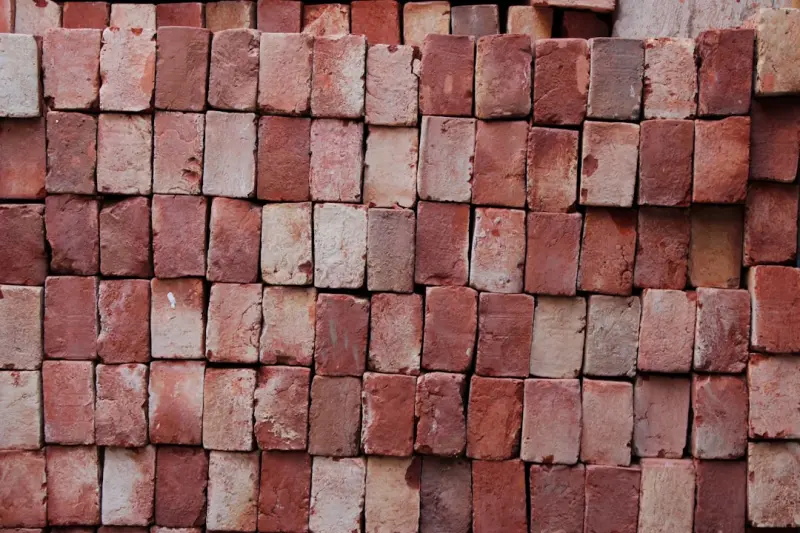
Why Carbon Emissions Matter in Masonry
When most people think about masonry, they picture sturdy walls, historic façades, and the comforting weight of a brick. What they often overlook is the hidden carbon cost baked into every block, mortar mix, and delivery truck. In today’s climate‑conscious market, developers, architects, and owners are demanding materials that not only stand the test of time but also help meet aggressive sustainability goals. This shift is turning the age‑old craft of masonry into a laboratory for carbon‑smart innovation.
The Carbon Footprint of Traditional Bricks
Conventional clay bricks are produced in high‑temperature kilns that can reach 1,200 °C. The energy required to fire each brick typically comes from fossil fuels, resulting in emissions of 0.5‑1 kg CO₂ per brick. Multiply that by the hundreds of thousands of bricks used in a mid‑rise office building, and the numbers quickly become staggering. Moreover, the extraction of raw clay, the transport of finished products, and the waste generated during cutting and shaping all add layers of hidden emissions.
Low‑Emission Brick Technologies
Manufacturers are answering the call with three primary strategies:
- Alternative Fuels: Switching from coal to natural gas, biomass, or even waste‑derived fuels reduces kiln‑related emissions by up to 30%.
- Geopolymer Bricks: These bricks replace traditional Portland cement with industrial by‑products like fly ash or slag, slashing CO₂ output by 70%‑80% while delivering comparable strength.
- Carbon‑Cured Blocks: Using carbonation processes that lock CO₂ into the brick itself, turning a waste product into a performance enhancer.
Each of these technologies not only trims the carbon ledger but also introduces performance benefits—improved thermal mass, higher compressive strength, and better moisture regulation.
Reclaimed Masonry: The Circular Economy in Action
Another powerful lever is the reuse of existing masonry. Demolition waste often ends up in landfills, yet many of those bricks are still structurally sound. By cleaning, sorting, and re‑laying reclaimed bricks, projects can cut embodied carbon dramatically. The circular approach also creates a distinct aesthetic that resonates with brands looking for authenticity and story‑telling in their spaces.
Designing with Thermal Mass for Energy Savings
One of masonry’s timeless virtues is its thermal mass—the ability to absorb, store, and release heat slowly. When paired with modern building envelopes and intelligent HVAC controls, this property becomes a passive energy‑saving tool. A well‑designed brick wall can flatten temperature swings, reduce peak heating and cooling loads, and lower utility bills by 10‑15%.
Integrating thermal‑mass strategies with real‑time digital twins allows engineers to simulate how a masonry wall will behave under seasonal variations, fine‑tuning thickness and layout before a single brick is laid.
Smart Masonry Meets Carbon‑Smart Masonry
While Smart Masonry Innovations have focused on embedded sensors and data‑driven performance monitoring, the next evolution is marrying those capabilities with low‑emission materials. Imagine a wall that not only reports strain, humidity, and temperature but also knows its own carbon footprint in real time, feeding that data back to a building’s sustainability dashboard.
Case Study: A Mid‑Size Office Building Goes Carbon‑Neutral
In a recent commercial retrofit, a developer opted for geopolymer bricks sourced from a plant that uses locally sourced fly ash. The project also incorporated 30% reclaimed brick from an adjacent demolition. Using a digital twin, the design team simulated the wall’s thermal response, optimizing brick depth to achieve a 12% reduction in HVAC energy use.
Results after one year:
- Embodied carbon reduced by 45% compared to a baseline brick wall.
- Operational energy savings of 13%, translating to $45,000 in annual utility costs.
- Occupant comfort scores improved by 18%, thanks to more stable indoor temperatures.
This example underscores how carbon‑smart masonry isn’t a niche experiment—it’s a scalable solution that delivers both environmental and financial returns.
Implementing Carbon‑Smart Masonry in Your Projects
For firms ready to adopt these practices, consider the following roadmap:
- Audit Your Current Masonry Supply Chain: Identify the carbon hotspots—kiln energy, transport distance, waste.
- Source Low‑Emission Bricks: Vet manufacturers for alternative fuel use, geopolymer content, and carbon‑cured certifications.
- Plan for Reuse: Work with demolition contractors to salvage usable bricks early in the project timeline.
- Leverage Digital Tools: Use BIM and digital twin platforms to model thermal mass performance and iterate designs before procurement.
- Integrate Sensors: Deploy smart masonry sensors that track temperature, humidity, and strain, feeding data into facility management systems.
- Report and Certify: Document embodied carbon reductions for LEED, BREEAM, or other green building certifications.
Future Outlook: From Brick to Bio‑Brick
Research labs are experimenting with bio‑based binders—using algae, mycelium, or even bacterial calcification—to replace traditional cement entirely. While still in pilot phases, these bio‑bricks promise carbon‑negative outcomes, turning construction into a carbon sink rather than a source.
As the industry embraces these advances, the classic image of a brick wall will evolve. It will retain its tactile, timeless appeal while embodying the cutting‑edge science of climate stewardship.
Final Thoughts
Carbon‑smart masonry bridges the gap between heritage and high performance. By selecting low‑emission bricks, reusing existing masonry, and harnessing digital design tools, today’s builders can deliver structures that honor the past and protect the future. The bricks you lay today can become a visible commitment to a low‑carbon world—one block at a time.

Tom Ferguson is a Canadian freelance writer with a passion for storytelling, current events, and thoughtful commentary. Drawing on years of writing experience, he shares engaging insights on a wide range of topics, bringing a uniquely Canadian perspective to his work.
Related Posts
Building with Brick and Vision: Sustainable Masonry Trends
Discover how modern masonry blends reclaimed materials, design‑build integration, and smart mainte... Read More
Reviving Brick: Modern Masonry Techniques for the Everyday Builder
Explore contemporary masonry strategies—materials, mortar mixes, thin veneer, and sustainable recl... Read More

Breathing Life into Walls: The Rise of Vapor‑Permeable Masonry
Vapor‑permeable masonry lets walls “breathe,” reducing moisture problems, enhancing energy per... Read More
Top Posts
A Sustainable Kitchen Renovation That Feels Like Home
A personal, step‑by‑step guide to a sustainable kitchen remodel, blending reclaimed materials, smart appliances, and cozy design for a space that’s both b...Read More
Radiant Comfort Meets Intelligent Infrastructure
Discover why modern floor heating is a strategic asset for businesses, delivering energy savings, healthier work environments, and higher property value through...Read More
Future‑Ready Decks: Designing Low‑Maintenance, Climate‑Adaptive Outdoor Spaces
A fresh look at deck design that combines sustainable materials, modular layouts, smart sensors, and garden integration for a low‑maintenance, climate‑adapt...Read More
Transform Your Bathroom: The Unexpected Power of Bathtub Refinishing
Explore why a simple bathtub refinishing can turn an outdated bathroom into a spa‑like retreat, boost home value, and align with sustainable renovation goals....Read More
0 Comments
Post Comment
You will need to Login or Register to comment on this post!