
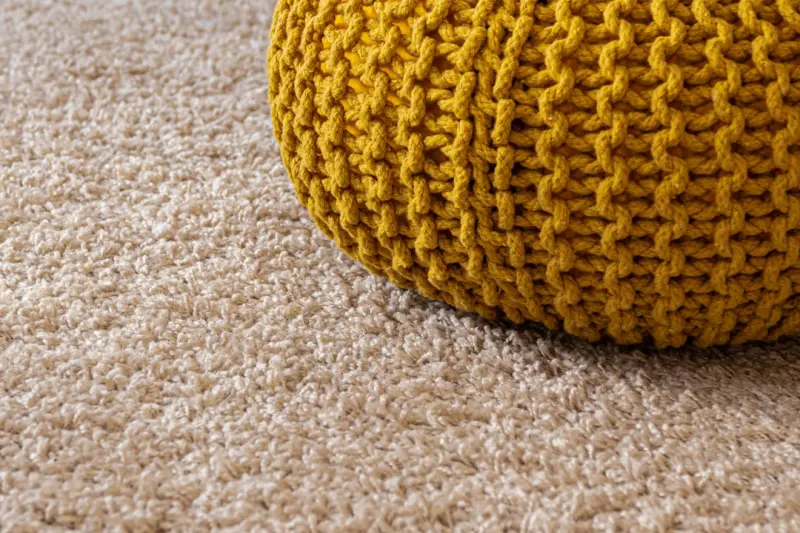
When I first stepped onto a freshly‑vacuumed rug after a long day of site inspections, the subtle scent of clean fibers reminded me that carpet isn’t just a decorative layer—it’s a silent partner in a home’s health, comfort, and even its aesthetic narrative, a truth I’ve learned through countless projects and client conversations that often overlook the floor’s quiet influence. Over the years I’ve watched homeowners mistake a plush appearance for genuine cleanliness, only to discover that years of foot traffic, pet paws, and airborne particles have turned their beloved carpets into hidden reservoirs of dust, mold spores, and microscopic allergens that silently re‑circulate with each breath. Recognizing this, I now approach carpet care with the same strategic mindset I use for structural upgrades: assess, plan, and execute a cleaning regimen that protects both the investment and the occupants’ well‑being.
The Invisible Load: What Lurks Beneath the Surface
Most people assume a quick vacuum is enough to keep their carpets pristine, yet research shows that a single carpet can hold up to 40 times its weight in dirt, a staggering figure that underscores how easily pollutants embed themselves in the tangled fibers and remain dormant until disturbed by foot traffic or a sudden gust of wind. These embedded particles aren’t limited to ordinary dust; they often include pet dander, pollen, and even trace chemicals from cleaning agents that have broken down over time, creating a microscopic ecosystem that can exacerbate asthma, trigger allergies, and diminish indoor air quality without any obvious visual cues. By understanding that the visible surface is merely the tip of an extensive filtration system, homeowners can appreciate why a deeper, methodical cleaning approach is essential—not just for appearance, but for maintaining a truly healthy living environment.
Fiber Science: How Carpets Capture and Release
Carpet fibers—whether made from nylon, polyester, wool, or natural blends—are engineered to trap particles through a combination of mechanical entanglement and electrostatic attraction, a process that, while beneficial for dust capture, also means that contaminants can become tightly bound within the weave, resisting removal by ordinary suction alone. Over time, the accumulation of these particles changes the carpet’s texture, causing fibers to stiffen, lose resilience, and release a faint, musty odor that signals microbial growth, especially in humid climates where moisture can turn dust into a breeding ground for mold. The science behind this phenomenon teaches us that periodic deep cleaning isn’t a luxury but a necessary maintenance ritual, akin to changing an HVAC filter, to restore the fibers’ original loft, elasticity, and capacity to act as a genuine air‑purifying layer rather than a pollutant source.
DIY Versus Professional: Weighing the Options
While the temptation to rent a low‑cost steam cleaner and tackle the job yourself can be strong—especially when budgeting for a renovation checklist—I’ve found that the effectiveness of a DIY approach often hinges on equipment quality, user expertise, and the specific carpet construction, which can lead to uneven results, over‑saturation, or even damage to delicate fibers if mishandled. Professional carpet cleaners bring calibrated extraction machines, industry‑tested detergents, and a nuanced understanding of stain chemistry, allowing them to achieve a 70‑90 % soil removal rate in a single pass, a metric that far exceeds the typical 30‑50 % success of consumer‑grade tools. For homeowners who value long‑term performance, the investment in a reputable service—guided by resources like the handyman’s blueprint for rapid, profitable repairs—often pays dividends in extended carpet life, improved indoor air, and reduced need for premature replacement.
Selecting the Right Cleaning Method for Your Carpet
Choosing a cleaning technique is less about following trends and more about matching the method to the carpet’s material, traffic level, and existing condition; hot‑water extraction, commonly known as steam cleaning, excels at deep‑soil removal for synthetic fibers, while low‑moisture encapsulation works well for delicate wool blends that can’t tolerate heavy water exposure. Dry‑cleaning powders, applied and vacuumed, offer a quick turnaround for high‑traffic areas but may leave behind residual chemicals if not thoroughly extracted, whereas alkaline‑based shampoos provide a powerful stain‑fighting solution but risk leaving a sticky film that attracts more dirt if rinsed inadequately. By conducting a simple spot test—applying a small amount of the chosen solution to an inconspicuous area and monitoring the fiber response for color shift or texture change—homeowners can confidently select the safest, most effective method without compromising the carpet’s aesthetic integrity.
Routine Maintenance: The Unsung Hero of Longevity
Even the most sophisticated deep‑cleaning session will lose its impact if not supported by a disciplined maintenance schedule, which should include weekly high‑efficiency vacuuming with a HEPA‑rated filter, immediate spot treatment of spills using a gentle blotting technique, and quarterly professional extraction to reset the fiber’s breathability. Placing floor protectors under furniture legs, rotating area rugs, and employing entrance mats can dramatically reduce the influx of grit and moisture, extending the intervals between deep cleans and preserving the carpet’s plush feel. For families with pets or children, a proactive approach—such as using enzyme‑based cleaners on accidents—prevents stubborn odors from setting in, while also protecting the carpet’s backing from premature wear caused by lingering liquids.
Green Cleaning: Eco‑Friendly Choices That Don’t Compromise Performance
Eco‑conscious homeowners increasingly demand cleaning solutions that safeguard the planet without sacrificing results, and today’s market offers a range of biodegradable, plant‑based detergents that break down quickly, reduce water usage, and leave no harmful residues that could irritate sensitive skin or pets. When paired with low‑temperature extraction equipment, these green formulas can achieve comparable soil‑removal rates to traditional chemicals, while also earning certifications such as Green Seal or EcoLogo that assure third‑party validation of their environmental credentials. Moreover, integrating a sustainable cleaning routine—such as re‑using vacuum bags, opting for reusable microfiber pads, and selecting energy‑efficient equipment—aligns carpet care with broader home‑efficiency goals, echoing the principles outlined in the energy‑efficient renovation checklist.
When to Call in the Experts and What to Expect
Homeowners should consider professional intervention whenever they notice persistent odors, stubborn stains that resist home remedies, or a noticeable decline in carpet softness after routine vacuuming, as these signs often indicate deep‑seated contamination that requires specialized extraction tools and expertise. A reputable service will begin with a thorough inspection, measuring moisture levels and identifying high‑risk zones before selecting the appropriate cleaning solution, ensuring that the process respects the carpet’s fiber composition and backing integrity. Transparent pricing typically reflects factors such as square footage, level of soiling, and any additional treatments like anti‑microbial sprays, and while costs can vary, the long‑term savings from avoided premature replacement and improved indoor air quality often justify the expense.
Looking Ahead: Smart Carpets and the Future of Cleaning
The next frontier in carpet care lies in integrating sensor technology that monitors humidity, foot traffic, and even particulate accumulation, alerting homeowners via smartphone apps when a deep clean is due, thereby turning passive flooring into an active participant in home maintenance. Early adopters are already experimenting with embedded nanofibers that repel stains and inhibit bacterial growth, promising a future where routine cleaning intervals could be extended without sacrificing hygiene. Until these innovations become mainstream, the best strategy remains a blend of informed DIY practices, regular professional extractions, and a commitment to environmentally responsible products, ensuring that carpets continue to provide comfort, aesthetics, and a hidden layer of air filtration for years to come.

William Roy is a freelance writer originally from Montreal who moved to Ottawa with his wife of 50 years to be closer to their grandkids. Alongside his writing, William has a passion for fishing.
Related Posts

Reviving Your Home, One Stain at a Time: The Power of Professional Carpet Cleaning
Dirty carpets can harbor allergens, dust mites, and bacteria, exacerbating respiratory issues and cr... Read More
The Hidden World of Carpet Cleaning: A Comprehensive Guide
Learn about the often-overlooked world of carpet cleaning and its critical role in maintaining indoo... Read More
The Sustainable Carpet Cleaning Playbook: Insights from a Veteran Pro
William Roy shares insider tips on eco‑friendly carpet cleaning, debunking myths, integrating sust... Read More
Top Posts
DIY Caulk Revival: A Homeowner’s Guide to Sealing Bathrooms and Kitchens
A practical, homeowner‑focused guide to removing old caulk, choosing the right sealant, and applying it flawlessly for lasting moisture protection....Read More
The Future of Lawn Care: How Sustainable Practices Are Revolutionizing the Industry
Learn about the importance of sustainable lawn care practices and how to make your lawn care routine more eco-friendly. Discover the benefits of sustainable law...Read More

Concrete Reimagined: Crafting Sustainable Strength for the Modern City
A deep dive into how cutting‑edge mix designs, recycled aggregates, carbon‑capture techniques, and smart technologies are turning concrete into a sustainabl...Read More

Everyday Tools That Turn Small Repairs into Big Savings
Learn how a well‑stocked toolbox, smart diagnosis, and easy repair tricks can turn everyday home issues into cost‑saving victories....Read More
0 Comments
Post Comment
You will need to Login or Register to comment on this post!