
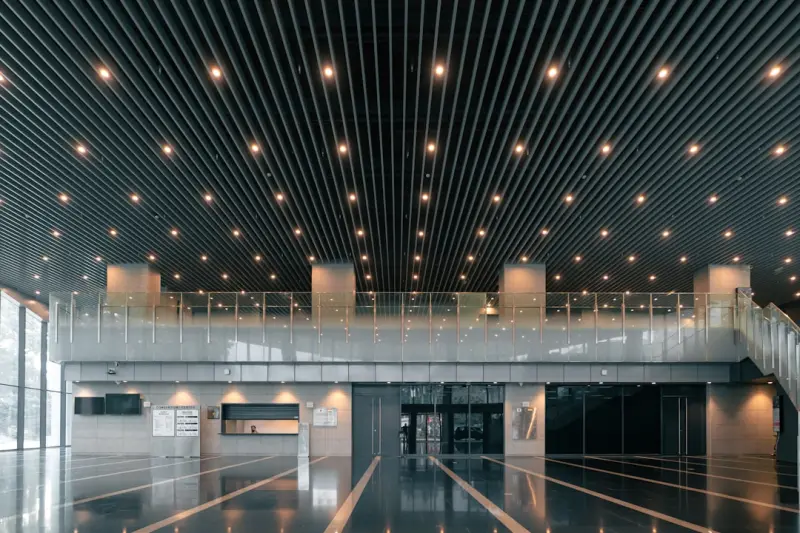
Why Wallpaper Deserves a Seat at the Executive Table
When executives discuss upgrades to office interiors, paint and flooring dominate the conversation. Yet there’s a material that silently reshapes ambience, acoustic performance, brand storytelling, and even operational logistics: wallpaper. This isn’t the nostalgic paper‑wall of the 1970s; it’s a high‑performance surface that can be engineered to meet the exacting demands of modern workplaces.
Acoustic Advantages You Didn’t Expect
Open‑plan environments amplify chatter, HVAC noise, and the hum of equipment. While acoustic panels are a common remedy, a well‑chosen wallpaper can act as a secondary sound‑dampening layer. Modern composites embed dense fibers and micro‑perforations that break up sound waves, reducing reverberation without compromising visual appeal. When paired with ceiling clouds or wall‑mounted baffles, the overall room‑level noise reduction can improve focus and employee satisfaction.
- Frequency targeting: Specialized backings absorb mid‑range frequencies where speech lives.
- Layered approach: Combining wallpaper with soft furnishings creates a multi‑stage sound‑absorption system.
- Installation ease: Unlike heavy acoustic panels, wallpaper can be applied quickly, allowing facilities teams to stay on schedule.
Thermal Management Benefits
Temperature swings across large office walls are often overlooked. Advanced wallpaper substrates can incorporate phase‑change materials (PCMs) that store heat when the space warms and release it as temperatures dip. This passive regulation reduces reliance on HVAC adjustments and contributes to a steadier indoor climate.
For facilities managers looking to fine‑tune temperature distribution, wallpaper offers a discreet, low‑profile solution that works in concert with existing wall insulation. The result is a subtle but measurable impact on utility consumption.
Brand Storytelling on Steroids
Every corporate space is an extension of its brand narrative. Traditional paint colors can only go so far, but custom‑printed wallpaper unlocks an entire visual language. From subtle texture that mirrors a company’s material ethos to full‑bleed photographic murals that showcase flagship projects, the possibilities are endless.
Because wallpaper is replaceable, brands can refresh their story without a full renovation. A seasonal campaign may involve swapping a feature wall, while a permanent corporate identity shift can be achieved through a coordinated rollout across multiple locations.
Flexibility for Rapid Reconfiguration
In fast‑moving industries, the ability to reconfigure space quickly is a competitive edge. Modular wall panels covered with removable wallpaper allow teams to dismantle and re‑assemble work zones in days, not weeks. The adhesive technology used today permits removal without damaging underlying drywall, preserving the building’s core structure.
When a new department moves in, or a collaboration hub needs a temporary identity, the wallpaper can be peeled and re‑applied elsewhere, dramatically shortening the turnaround time for space changes.
Integrating Technology Without Compromise
Today’s workplace expects surfaces to do more than look good. Interactive wallpaper integrates low‑power sensors that monitor occupancy, air quality, and even lighting levels. These sensors are ultra‑thin, hidden behind the decorative layer, and feed data to building‑management platforms for real‑time adjustments.
Because the technology is embedded rather than bolted on, the aesthetic remains seamless. The wall becomes a silent data source, enabling smarter environmental controls without the visual clutter of traditional hardware.
Eco‑Conscious Choices Without the Buzzwords
Environmental stewardship is a core pillar for many organizations, and wallpaper manufacturers have responded with low‑VOC inks, recycled fiber backings, and responsibly sourced substrates. Selecting a product with a transparent life‑cycle assessment can lower the overall carbon footprint of a fit‑out project.
In addition, the longevity of wallpaper—often lasting a decade or more—means fewer replacement cycles compared to paint, which typically requires touch‑ups every few years.
Installation Workflow Optimized for Large‑Scale Projects
One of the biggest concerns for project managers is schedule risk. Traditional wall finishes often involve multiple trades, surface preparation, priming, and drying periods. Modern wallpaper systems streamline this process:
- Surface prep: A light sanding and cleaning step replaces extensive priming.
- Adhesive application: Pre‑pasted rolls eliminate the need for on‑site mixing.
- Alignment tools: Laser‑guided guides ensure pattern continuity across large expanses.
- Finish verification: A quick visual inspection confirms proper adhesion, reducing rework.
This efficiency translates directly into cost savings and on‑time delivery, a win for any stakeholder.
Case Study: Turning Underused Areas into High‑Impact Zones
A regional office faced a challenge with a long, narrow corridor that previously served only as a passageway. By installing a series of acoustic‑enhancing, brand‑aligned wallpaper panels, the space was transformed into a dynamic showcase area for product demos. The new finish reduced echo, improved visual impact, and allowed the company to host informal gatherings without the need for additional partitions.
Read more about how other spaces have been revitalized by maximizing storage potential, and discover the role of effective moisture barriers in protecting high‑traffic wall surfaces.
Future‑Proofing Your Interiors
Choosing wallpaper isn’t just a design decision; it’s a strategic investment. As workplaces evolve, the ability to adapt visual identity, acoustic performance, and embedded technology without major construction becomes a decisive advantage. By treating walls as active components of the building ecosystem, organizations can stay ahead of the curve and create environments that support both employee well‑being and operational goals.
Getting Started: A Quick Checklist
- Define performance goals: acoustic reduction, thermal regulation, brand impact.
- Assess wall condition: ensure substrate is flat and clean.
- Select a supplier with proven durability and low‑VOC credentials.
- Plan for technology integration if data collection is desired.
- Coordinate with the construction schedule to align installation with other trades.
- Implement a post‑install audit to verify acoustic, thermal, and visual outcomes.
Conclusion
Wallpaper has graduated from a decorative afterthought to a multifunctional asset that can reshape how commercial spaces look, feel, and operate. By leveraging its acoustic, thermal, branding, and technological capabilities, businesses can create environments that are not only aesthetically pleasing but also performance‑driven. The next time you sit down to plan an interior upgrade, consider wallpaper as a central pillar of your strategy.

Craig Brett is a freelancer with a passion for the outdoors. His love for nature inspires his work, bringing authentic and engaging perspectives to projects related to outdoor activities, adventure, and environmental topics.
Related Posts
The Art of Sustainable Wallpapering: Trends, Tips, and Transformations
Explore how to choose, install, and maintain sustainable wallpaper, with expert tips that marry desi... Read More
Smart Wallpaper: Sustainable Patterns & Personalization
Wallpaper is evolving from a decorative afterthought into a strategic, tech‑enabled surface that o... Read More

Data‑Driven Wallpaper: Turning Walls into Insight Engines
Wallpaper is evolving from decorative finish to a data‑rich platform that supports brand analytics... Read More
Top Posts
The Evolution of Sustainable Roofing: A Greener Future for Your Home
The roofing industry has undergone a significant transformation, with a growing focus on eco-friendly materials and sustainable practices. Learn about the lates...Read More
Powering Sustainable Homes: Modern Electrical Practices for the Eco‑Conscious
Learn how to upgrade your home’s wiring with sustainable practices, smart technology, and maintenance tips that save energy, money, and the planet....Read More
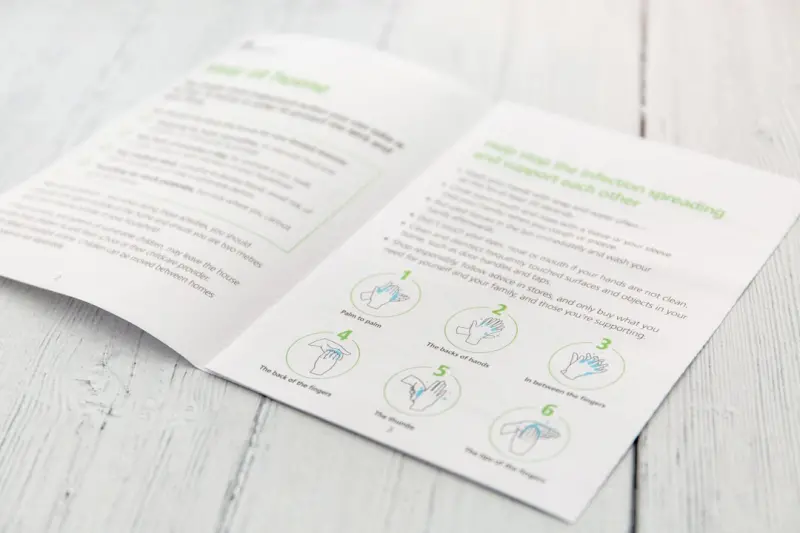
A Proactive Carpet Care Playbook: Extending Fiber Life & Boosting Workplace Health
A detailed guide on shifting from reactive spot‑cleaning to a proactive carpet care calendar, complete with fiber science, tech‑light tools, KPI tracking, a...Read More
How Handymen Can Build a Neighborhood Referral Engine
Learn how to turn everyday repair jobs into a powerful referral engine, using seasonal planning, smart pricing, and community partnerships to grow a sustainable...Read More
0 Comments
Post Comment
You will need to Login or Register to comment on this post!