

Seeing Architecture Through the Skin of a Building
When I first stepped onto a freshly finished concrete podium, the sensation under my fingertips—cool, slightly textured, almost alive—told me more than any floor plan ever could; the tactile dialogue between material and occupant is the first chapter of a building’s story. I now design spaces that begin with a deliberate choice of skin, whether it’s a perforated metal façade that catches breezes or a warm, reclaimed timber cladding that invites a subtle sigh of comfort. By treating the exterior as a sensory invitation, the structure starts speaking before anyone even walks through the door, turning ordinary façades into experiential thresholds that set the tone for the interior narrative.
Re‑imagining Light as Architecture, Not Just Illumination
In my recent projects I’ve abandoned the traditional reliance on glass windows alone, opting instead for integrated light wells, reflective atriums, and strategically placed skylights that channel daylight deep into the heart of a floor plan, creating layers of illumination that shift with the sun’s path. This approach not only reduces energy consumption but also sculpts the interior volumes, casting dynamic shadows that animate rooms and subtly guide movement. When daylight becomes a structural element, the architecture breathes, and occupants experience a daily rhythm that feels both organic and intentional.
Acoustic Zoning: Designing with Sound as a Spatial Divider
Most architects treat acoustics as a technical afterthought, yet I view sound as a powerful tool for delineating zones without erecting walls; soft, absorptive panels in collaborative areas mute distractions, while reflective surfaces in performance spaces amplify clarity. By mapping the sound profile of each zone—considering material density, ceiling height, and even furniture arrangement—I create environments where a whisper in a quiet lounge feels intimate, yet a conversation in an open studio remains crisp and energized. This acoustic choreography enhances productivity, well‑being, and the overall perception of space, proving that silence and resonance can be as defining as concrete and steel.
Modular Wall Systems: Flexibility Engineered for the Future
In an era where work, life, and leisure constantly intersect, I champion modular wall systems that can be re‑configured on demand, allowing a single floor plate to morph from a private office into a communal workshop within hours. These systems combine lightweight, high‑strength aluminum frames with interchangeable panels—glass, acoustic fabric, or reclaimed wood—offering both aesthetic diversity and functional adaptability. The true genius lies in the hidden infrastructure: embedded power conduits, sensor networks, and air distribution channels that remain invisible while supporting rapid spatial transformations, ensuring the building can evolve alongside its occupants’ changing needs.
Material Storytelling: Giving History a Voice in Modern Design
Every material carries a narrative, and I make it a point to let that story echo through my designs, especially when working with reclaimed or locally sourced elements that embody regional heritage. A salvaged brick wall, for instance, not only provides thermal mass but also whispers the tale of a former factory, bridging past and present while fostering a sense of place. By pairing these storied components with contemporary finishes—such as sleek concrete or polished steel—I create a dialogue between eras, enriching the user experience and rooting modern architecture in a deeper cultural context.
Digital Twins: Merging Virtual Precision with Physical Reality
The emergence of digital twin technology has revolutionized how I approach design, allowing me to construct a fully functional, data‑rich replica of a building before the first foundation is poured. This virtual counterpart simulates energy performance, daylight penetration, and even occupant flow, enabling real‑time adjustments that optimize both sustainability and comfort. When the physical structure finally rises, the digital twin serves as a living operations guide, continuously feeding performance metrics back to the design team, ensuring the building remains as efficient and responsive as it was on paper.
Learning from Adaptive Architecture While Pushing Boundaries
My exploration of responsive design naturally leads me to study the principles laid out in Adaptive Architecture, where buildings sense and react to environmental changes. I extend those ideas further by embedding kinetic façades that adjust shading based on solar intensity and integrating smart ventilation that learns occupancy patterns. This synergy between adaptability and user‑centric design creates structures that not only survive but thrive, turning the built environment into an active participant in daily life rather than a passive backdrop.
From Concept to Community: Designing Spaces That Invite Belonging
Ultimately, my architectural philosophy is anchored in the belief that every built form should foster connection—between people, nature, and technology—while honoring the unique character of its locale. By weaving together tactile materials, nuanced lighting, acoustic clarity, modular flexibility, and data‑driven insights, I aim to craft spaces that feel personal yet universal, intimate yet expansive. If you’re ready to experience a built environment that listens, adapts, and tells a story, let’s start the conversation; together we can turn visionary concepts into tangible, lived realities.

Tom Ferguson is a Canadian freelance writer with a passion for storytelling, current events, and thoughtful commentary. Drawing on years of writing experience, he shares engaging insights on a wide range of topics, bringing a uniquely Canadian perspective to his work.
Related Posts
Parametric Design: Data‑Driven Facades Redefining Urban Skylines
Parametric design turns building skins into responsive, data‑infused systems that enhance energy e... Read More
Sustainable Architecture: Crafting Buildings That Breathe and Endure
Discover the architect’s journey toward truly sustainable design—integrating passive strategies,... Read More
The Future of Architectural Design: How Sustainable Practices Are Revolutionizing the Industry
The intersection of architectural design and sustainable practices is revolutionizing the industry. ... Read More
Top Posts
Transforming Your Bathroom Into a Spa‑Like Sanctuary
Learn to turn an ordinary bathroom into a spa‑inspired retreat using biophilic design, smart storage, eco‑friendly fixtures, and subtle tech for daily relax...Read More

Cultivating a Living Carpet: A Holistic Approach to Modern Lawn Care
Learn how to transform your lawn into a thriving ecosystem with soil science, native grasses, smart watering, and organic practices that keep your yard healthy ...Read More

Dynamic Facades: The Future of Adaptive Architecture
Adaptive façades turn building envelopes into responsive systems that cut energy costs, boost occupant wellbeing, and future‑proof architecture. This article...Read More
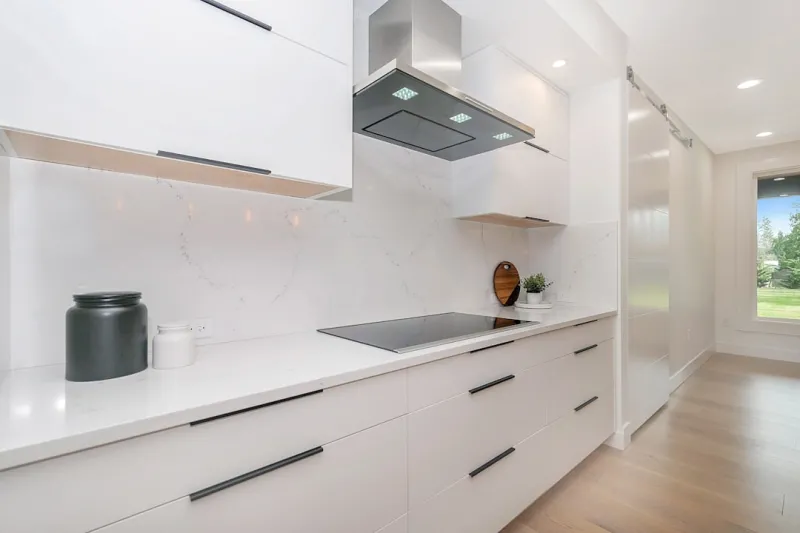
A Sustainable Kitchen Renovation That Feels Like Home
A personal, step‑by‑step guide to a sustainable kitchen remodel, blending reclaimed materials, smart appliances, and cozy design for a space that’s both b...Read More
0 Comments
Post Comment
You will need to Login or Register to comment on this post!