
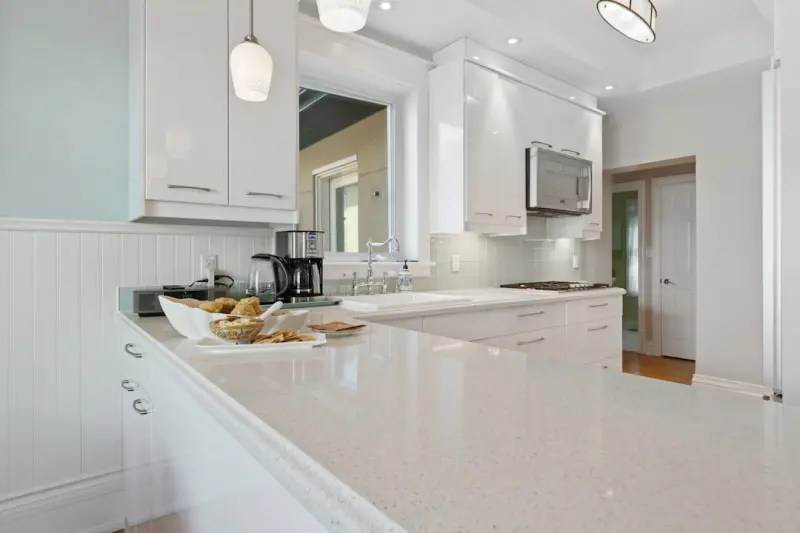
Why Countertops Are the Unsung Heroes of a Future‑Ready Kitchen
When most homeowners walk into a showroom they stare at cabinets, appliances, and lighting before they ever pause at the countertop. Yet that slab of stone, engineered surface, or reclaimed wood does far more than hold a cutting board. It’s the silent workhorse that can drive sustainability, health, and even digital efficiency in the modern home. In this deep‑dive I’ll explore how today’s countertop choices are reshaping kitchens from static workspaces into dynamic, adaptable platforms that support everything from waste reduction to real‑time cooking assistance.
The Materials Revolution: From Quarry to Circular Economy
Traditional granite and marble have long dominated the market because of their durability and visual heft. However, the extraction process is energy‑intensive, and the waste generated during polishing can be substantial. The industry is now pivoting toward circular materials—recycled glass, reclaimed wood, and even agricultural by‑products like wheat straw or rice husk.
These alternatives bring three key benefits:
- Lower embodied carbon: Manufacturing a recycled glass countertop typically uses 30‑50% less energy than quarrying and polishing natural stone.
- Reduced landfill pressure: By diverting post‑consumer waste into the supply chain, manufacturers close the loop that traditionally ends in a landfill.
- Unique aesthetic possibilities: Each reclaimed panel tells a story—think of a countertop that showcases fragments of an old farmhouse floor or the shimmering colors of crushed sea glass.
If you’re planning a remodel, consider asking your supplier about the carbon label of the slab. Some manufacturers now provide a simple “CO₂ per square foot” metric, making it easy to compare options side by side.
Health‑First Surfaces: Antimicrobial and VOC‑Free Countertops
In a post‑pandemic world, the kitchen’s role as the family’s gathering hub has taken on a new health dimension. Countertops can now be engineered with built‑in antimicrobial properties—copper‑infused quartz, silver‑nanoparticle coatings, or photocatalytic titanium dioxide that activates under kitchen lighting to break down bacteria.
Beyond microbes, indoor air quality is a growing concern. Some engineered surfaces release volatile organic compounds (VOCs) during the curing process, which can linger for weeks. New low‑emission resins, derived from bio‑based polymers, have entered the market, delivering the same hardness and stain resistance without the off‑gassing.
When selecting a health‑focused countertop, ask for third‑party certifications such as GREENGUARD Gold or NSF/ANSI 305. These ensure the product meets strict indoor air quality standards and has been tested for antimicrobial efficacy.
Smart Countertops: The Kitchen’s New Control Center
Imagine a countertop that knows when you’re about to over‑boil pasta, can adjust its surface temperature to keep dough at the perfect proofing level, or alerts you when a spill could become a slip hazard. This isn’t science fiction; it’s happening now thanks to embedded sensors and edge AI.
Manufacturers are integrating thin, flexible temperature and humidity sensors beneath the surface, feeding data to a kitchen hub that can:
- Display real‑time heat maps on a built‑in touch screen or your smartphone.
- Trigger ventilation fans automatically when steam reaches a set threshold.
- Log usage patterns to suggest optimal cleaning cycles, extending the slab’s lifespan.
For those interested in the tech side, the same principles that power edge AI for load balancing are being repurposed for kitchen appliances. The result is a cohesive ecosystem where the countertop talks to your induction cooktop, refrigerator, and even your smart speaker.
Design Flexibility: Modular and Replaceable Countertop Panels
Traditional countertops are monolithic—once they’re installed, any change means a costly demolition. Enter the era of modular countertop systems. These consist of interchangeable panels that snap together using hidden locking mechanisms. Benefits include:
- Future‑proofing: Swap a panel for a higher‑performing material as technology evolves.
- Ease of repair: If a section chips, replace just that module rather than the entire slab.
- Design versatility: Mix and match textures—think a marble panel beside a warm bamboo strip—to create visual interest without committing to a single material.
Modular systems also dovetail nicely with AR‑driven design‑build workflows. By visualizing each panel in a 3D space, homeowners and contractors can experiment with layouts before any physical cuts are made, dramatically cutting waste and re‑work.
Energy Efficiency: Countertops That Harvest Light
While solar panels on roofs dominate the conversation, a subtle yet powerful opportunity exists right on the work surface. Certain engineered quartz surfaces now embed transparent photovoltaic cells beneath a thin, translucent wear layer. These cells can capture ambient indoor light—especially in kitchens with large windows or skylights—and feed a small amount of electricity back into the home’s grid.
The generated power isn’t enough to run a dishwasher, but it can offset the energy draw of low‑voltage devices such as countertop lighting, touch‑screen controls, or even a Bluetooth speaker system. This approach aligns with broader trends highlighted in AI‑enhanced solar technologies, where smart algorithms optimize the harvest and distribution of every watt.
Maintenance Made Simple: Self‑Healing and Stain‑Resistant Surfaces
One of the biggest pain points for homeowners is maintaining the pristine look of a high‑end countertop. Recent breakthroughs in polymer chemistry have produced “self‑healing” resins that can close micro‑cracks when exposed to heat (think a warm pot set on the surface). The technology works similarly to the “smart carpet care” approaches that treat fibers with responsive coatings.
In addition, new stain‑resistant formulations incorporate nano‑scale silanes that repel oil and water, dramatically reducing the need for harsh chemical cleaners. For an eco‑friendly cleaning routine, a simple mixture of diluted white vinegar and water is sufficient; the surface’s engineered repellency does the heavy lifting.
Cost Considerations: Balancing Upfront Investment with Long‑Term Value
It’s easy to dismiss premium countertops as a vanity expense, but a lifecycle cost analysis tells a different story. While the initial outlay for a high‑performance slab may be 30‑40% higher than a standard laminate, the following factors offset that gap:
- Longevity: Engineered quartz and high‑density recycled composites can last 25‑30 years with minimal maintenance.
- Energy Savings: Integrated photovoltaic panels and smart sensor-driven ventilation reduce utility bills.
- Health Benefits: Antimicrobial surfaces can lower household illness rates, indirectly saving on medical costs.
- Resale Value: A modern, tech‑enabled kitchen is a strong selling point, often recouping a sizable portion of the renovation spend.
For homeowners on a tighter budget, a phased approach works well: install a modular core now, and upgrade individual panels over time as new materials become available.
Integrating Countertops Into the Wider Renovation Narrative
Any kitchen remodel should be viewed through the lens of the entire home ecosystem. The Ultimate Renovation Checklist reminds us to align flooring, lighting, and storage solutions with the countertop strategy. For instance, pairing a warm reclaimed‑wood slab with under‑cabinet LED strips that change hue based on temperature can create a cohesive sensory experience.
Moreover, consider the plumbing and ventilation pathways early. Smart countertops that monitor humidity require proper vent placement to avoid condensation buildup. Coordination between the mechanical, electrical, and design teams—often facilitated by AR collaboration tools—ensures that the countertop’s high‑tech features are fully supported.
Future Trends: What’s Next for Countertops?
Looking ahead, we can expect three major developments:
- Biodegradable Finish Layers: Researchers are testing plant‑based polymers that degrade harmlessly at the end of a slab’s life, making recycling truly circular.
- AI‑Driven Personalization: Machine learning models will predict a household’s cooking habits and automatically adjust surface temperatures, lighting, and even recommend recipes based on available ingredients.
- Integrated Waste Management: Countertops with built‑in compost chutes and sensor‑controlled sorting bins could turn kitchen scraps into fertilizer without a separate appliance.
These innovations reinforce the idea that countertops are no longer passive surfaces; they are active participants in a home’s sustainability, health, and digital strategy.
In summary, the modern countertop sits at the intersection of material science, smart technology, and holistic design. By selecting sustainable, health‑focused, and intelligent surfaces, homeowners can transform a simple worktop into a cornerstone of a resilient, future‑ready kitchen.

Paul Gray is a dynamic blogger based in Brampton, where he shares his life with his amazing wife, Sarah. Known for his engaging writing style and relatable insights, Paul has carved out a niche in the blogging world that resonates with readers from all walks of life. When he's not crafting captivating posts, you can find him savoring a cold beer or indulging in the latest blockbuster movie. With a friendly demeanor and a passion for storytelling, Paul brings a unique perspective to his work, making him not just a blogger, but a voice for those who appreciate the simple joys of life.
Related Posts
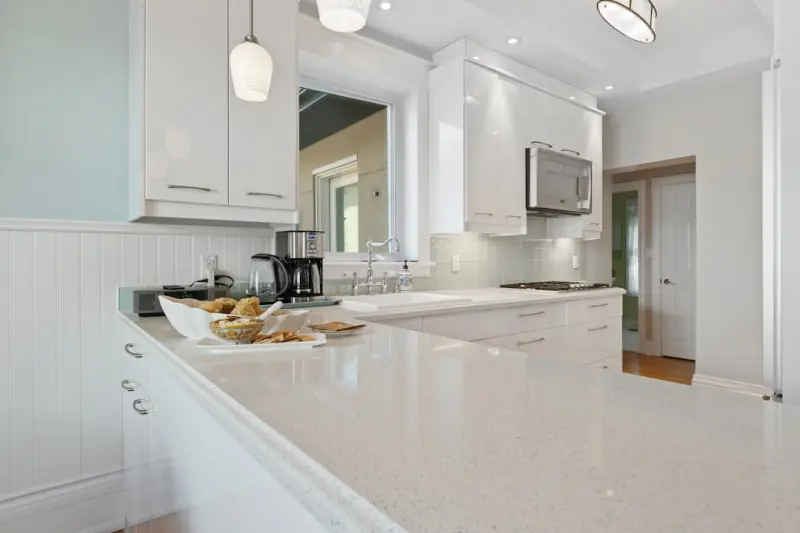
Choosing Countertops That Age Gracefully: A Contractor’s Insider Guide
A contractor’s insider guide to choosing countertops that balance durability, sustainability, and ... Read More
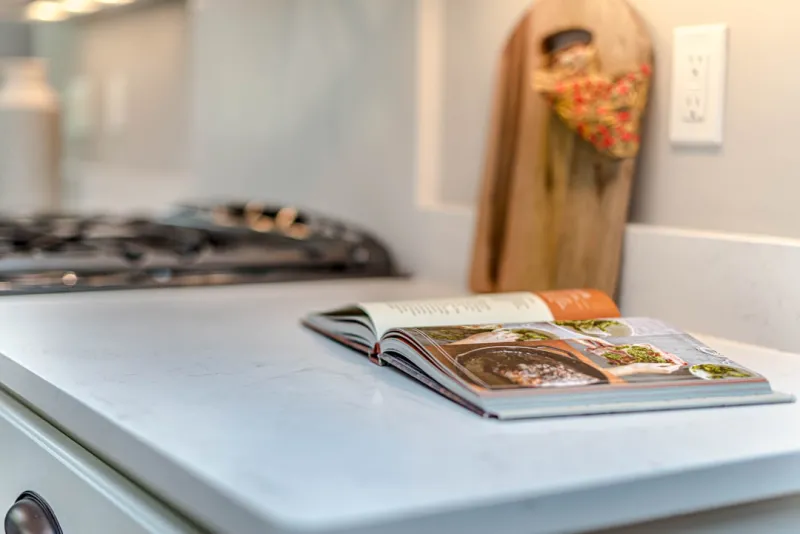
Choosing the Perfect Countertop for a Sustainable, Smart Kitchen
Explore the best sustainable countertop materials, from quartz to reclaimed wood, and learn how smar... Read More
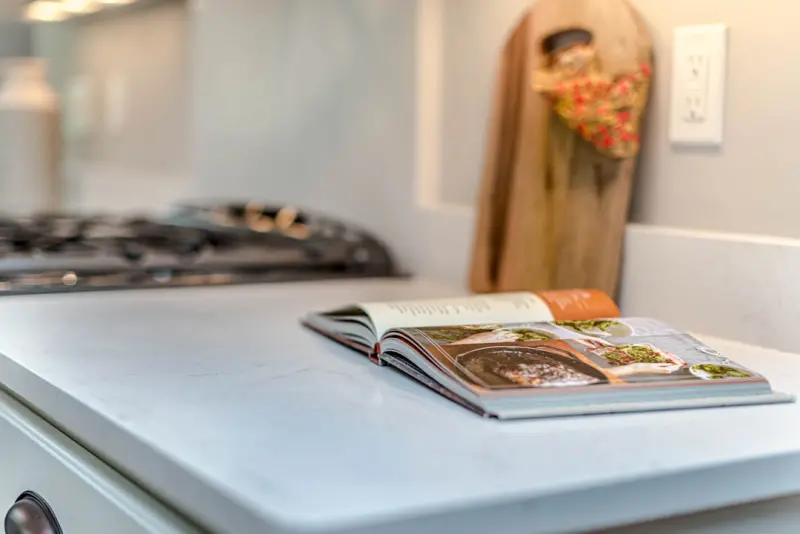
Choosing Countertops That Blend Sustainability, Style, and Smart Functionality
Explore how recycled‑stone composites, smart surfaces, and multi‑functional designs can transfor... Read More
Top Posts
The Smart Path to Sustainable Heating and Cooling
Explore the latest sustainable HVAC trends, from smart thermostats to renewable integration, and learn how to keep your home comfortable while cutting energy co...Read More
Transform Your Kitchen: Sustainable Renovation Secrets from a Pro
David MacKinnon shares insider tips on planning, materials, appliances, and waste management for a sustainable kitchen renovation that saves money and the plane...Read More
Turning Duct Cleaning into a Strategic Asset for Facility Managers
Proactive duct cleaning isn’t just a maintenance task—it’s a strategic lever that reduces energy costs, extends equipment life, and enhances indoor air qu...Read More
Plug‑and‑Play Electrical Grids: How Modular Distribution Transforms Adaptive Offices
A deep dive into modular electrical distribution, showing how plug‑and‑play power systems empower businesses to reconfigure spaces quickly, reduce energy wa...Read More
0 Comments
Post Comment
You will need to Login or Register to comment on this post!