

The Spark That Ignited My Design‑Build Journey
It all began when a cracked kitchen floor became the unexpected catalyst for a full‑scale transformation; I stared at the uneven tiles and imagined a space where form, function, and sustainability co‑existed in perfect harmony, and that vision set my heart racing with the promise of a Design‑Build adventure. I quickly realized that the traditional piecemeal approach—hiring separate contractors, juggling endless quotes, and watching timelines slip—was a recipe for frustration, so I dove headfirst into learning how to orchestrate every phase from concept to completion under one roof. The moment I sketched the first rough layout on a coffee‑stained napkin, I felt a surge of confidence that the chaos of renovation could be tamed by a single, cohesive strategy that honored my design instincts while respecting the planet.
Blueprints Meet Reality: The Planning Phase
Before any hammer swung, I dedicated weeks to detailed schematics, mapping out circulation paths, daylight penetration, and material footprints, because a well‑drawn blueprint is the compass that keeps a project from veering into costly detours; I even layered transparent overlays to simulate seasonal light shifts, ensuring the living room would stay inviting year‑round. During this stage, I consulted the Ultimate Renovation Checklist to verify that every permit, budget line, and contingency plan was accounted for, turning what could have been an overwhelming checklist into a clear, actionable roadmap. By the time I presented the final plans to my trusted builder, we both shared a palpable excitement, knowing that the blueprint was not just a set of drawings but a living document that would evolve with each discovery on the site.
Sourcing Sustainable Materials Without Sacrificing Style
Choosing eco‑friendly products often feels like walking a tightrope between aesthetic ambition and environmental responsibility, yet I discovered that the two are not mutually exclusive when you dig deeper into the market’s hidden gems; reclaimed hardwood, low‑VOC finishes, and recycled‑glass tiles became my palette, each offering a story as rich as their visual appeal. To keep the design fresh, I created a short
- list of prioritized materials
- budget-friendly alternatives
- local suppliers with green certifications
that served as a quick reference during showroom trips, preventing impulse buys that could derail the sustainability mission. The result was a series of spaces that felt both timeless and cutting‑edge, proving that conscientious choices can elevate, rather than limit, the overall design narrative.
Integrating Smart Systems for a Future‑Ready Home
Technology, when woven thoughtfully into a home’s fabric, can amplify comfort while slashing energy waste; I opted for a modular smart‑home hub that allowed me to control lighting, climate, and security from a single interface, ensuring that the system could expand as new innovations emerged. By pairing motion‑sensing LED fixtures with a programmable thermostat, I achieved a dynamic environment where rooms dim when unoccupied and temperatures adjust automatically, delivering measurable savings on utility bills. The integration process was smoother than expected because I selected devices that adhered to open‑source standards, meaning they communicated seamlessly without the need for costly proprietary bridges.
Balancing Budget and Vision: Cost‑Effective Strategies
Financial constraints rarely halt creativity; instead, they force a smarter allocation of resources, and I learned to prioritize high‑impact elements—like insulation and window performance—while seeking creative compromises in lower‑traffic areas. For instance, I sourced a stunning tile pattern from a surplus stock sale, pairing it with a modestly priced grout that still met durability standards, turning a potential cost hurdle into a design triumph. Throughout the build, I kept a live spreadsheet that tracked actual spend versus forecast, enabling real‑time adjustments and preventing the dreaded “budget blowout” that haunts many renovation stories.
The Role of Craftsmanship in Design‑Build Success
Even with the most advanced plans and sustainable materials, the soul of a project resides in the hands of skilled artisans, and I made it a point to collaborate closely with craftsmen who shared my passion for precision and environmental stewardship. I invited carpenters to the design meetings, allowing them to suggest joinery techniques that reduced waste and added visual intrigue, such as exposed dovetail joints that double as decorative accents. Their expertise transformed theoretical concepts into tactile realities, turning raw lumber into seamless cabinetry that feels both sturdy and inviting, and reinforcing the belief that true quality emerges when design and build teams speak the same language.
Navigating Permits and Regulations with Confidence
Permitting can feel like a maze of bureaucracy, but I approached it as a research project, compiling every municipal requirement into a single reference file that I consulted before each construction milestone; this proactive stance eliminated surprise re‑inspections and kept the timeline on track. I also leveraged the insights from the Unlocking the True Value of Energy Inspections guide to demonstrate how my proposed upgrades would exceed local energy codes, turning potential hurdles into selling points that impressed the review board. By maintaining transparent communication with inspectors and providing detailed documentation, I turned what could have been a dreaded bottleneck into a smooth, educational experience for all parties involved.
From Construction to Curation: Finishing Touches
When the structural work concluded, the real magic began: curating textures, colors, and accessories that would bring the space to life while staying true to the sustainable ethos that guided the entire journey. I selected organic cotton throws, reclaimed metal lighting fixtures, and low‑VOC wall paints that not only complemented the reclaimed wood but also maintained indoor air quality, creating an environment that feels both stylish and health‑conscious. The final walk‑through felt like unveiling a story I had authored from start to finish, where every detail—down to the hand‑stitched cushion covers—echoed the commitment to mindful design.
Post‑Project Reflection: Lessons Learned and Next Steps
Looking back, the most valuable lesson was that a cohesive Design‑Build approach thrives on early collaboration, transparent budgeting, and an unwavering commitment to sustainability; each of these pillars reinforced the others, creating a resilient framework that weathered unexpected challenges. I also realized that documenting every decision, from material swatches to contractor notes, not only simplified future maintenance but also provided a blueprint for friends embarking on their own renovations. Moving forward, I plan to share these insights through workshops and blog series, hoping to inspire a new wave of homeowners to embrace the integrated, eco‑centric design philosophy that transformed my house into a home.
Future Trends I’m Watching
As I continue to explore the evolving landscape of sustainable construction, a few emerging trends have captured my imagination: bio‑based insulation made from agricultural waste, kinetic flooring that generates electricity from foot traffic, and adaptive façades that respond to climate conditions in real time. These innovations promise to blur the line between architecture and technology, offering homeowners unprecedented control over energy use while maintaining aesthetic integrity. I’m especially excited about the potential for community‑scale projects that pool resources and knowledge, turning individual design‑build successes into collective environmental victories.

Kelly Reynolds is a dynamic freelance writer hailing from the picturesque landscapes of Alberta. A master of the written word, she juggles her passion for storytelling with the exhilarating chaos of being a mother to five spirited children. With an impressive portfolio that spans various genres, Kelly captivates readers through her engaging blog posts and thought-provoking articles.
Related Posts

Design‑Build Secrets: How I Turn Visions into Sustainable Realities
Explore the power of design‑build in creating eco‑friendly homes. From unified vision to smart w... Read More
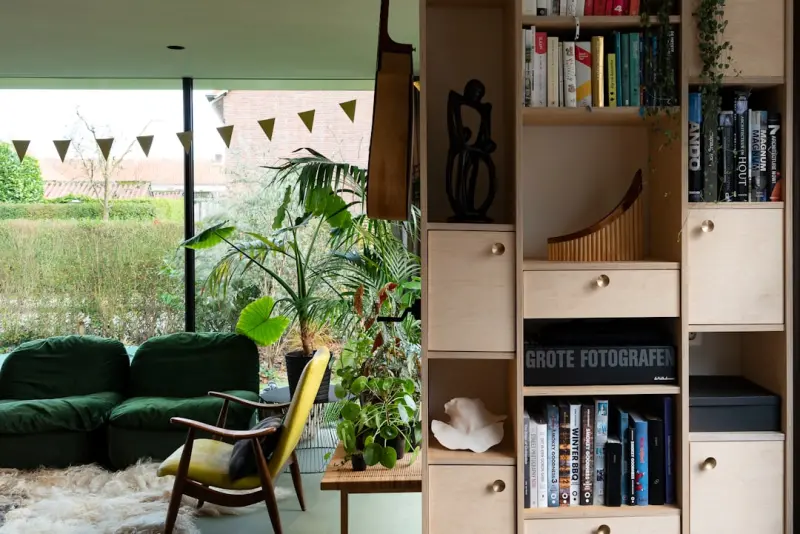
Biophilic Design‑Build: Crafting Living Micro‑Spaces in Modern Offices
A deep dive into the emerging practice of biophilic design‑build, showing how integrating natureâ€... Read More
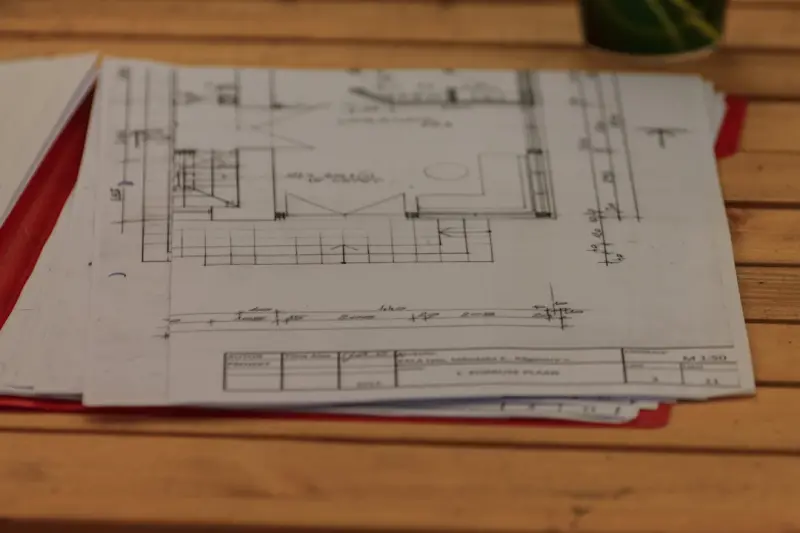
Design‑Build Mastery: A Fresh Playbook for Adaptive, Collaborative Renovations
A fresh design‑build playbook shows how early integrated planning, prefabricated modules, VR, and ... Read More
Top Posts

Real‑Time Supply‑Chain Dashboards: The Missing Link for General Contractors
General contractors can transform project uncertainty into confidence by adopting a real‑time supply‑chain dashboard that offers instant visibility, predict...Read More
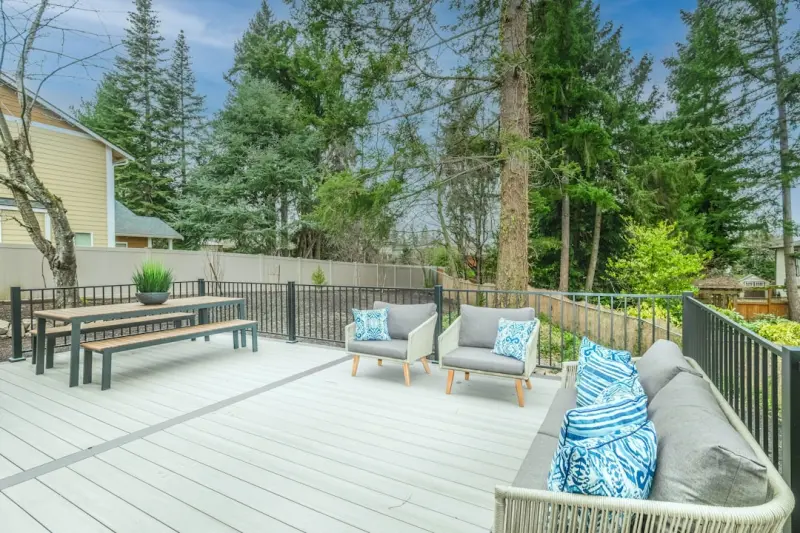
Elevate Your Backyard with a Sustainable, Tech‑Ready Deck
A hands‑on guide to crafting a sustainable, technology‑infused deck that balances style, comfort, and budget—turning your backyard into a versatile outdoo...Read More

Predictive Electrical Maintenance: How AI Is Quietly Transforming Facility Operations
Learn how AI-powered predictive electrical maintenance turns sensor data into actionable insights, reducing outages, cutting energy bills, and extending equipme...Read More

The Hidden Dangers of Dirty Carpets: A Comprehensive Guide to Eco-Friendly Carpet Cleaning
Dirty carpets can harbor allergens, bacteria, and pollutants that negatively impact indoor air quality. Learn how to prioritize eco-friendly carpet cleaning met...Read More
0 Comments
Post Comment
You will need to Login or Register to comment on this post!