
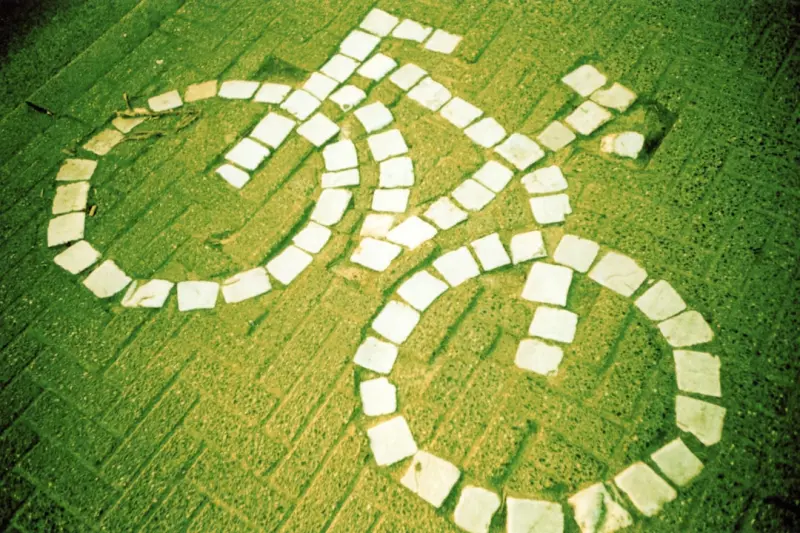
Why Paving Deserves a Designer’s Mindset
Most homeowners glance at a driveway or patio and think “just concrete,” but the surface you walk on is a silent ambassador for your property’s personality. I’ve spent decades watching sidewalks transform neighborhoods, and I’ve learned that the right paving strategy can lift curb appeal, lower utility bills, and even boost resale value without a single paint stroke. Good paving is about more than durability; it’s about creating a tactile experience that welcomes guests and protects your foundation from the elements. When you treat the slab like a stage set, every footfall becomes part of a narrative you control, from the first step onto a crisp, permeable pathway to the cool touch of stone on a summer evening. The secret lies in marrying function with foresight—thinking ahead about drainage, heat, and maintenance before the first pour.
Permeable Pavers: Let the Ground Breathe
Enter permeable pavers, the unsung heroes of sustainable paving. Unlike traditional impervious surfaces, they allow rainwater to seep through, recharging groundwater and reducing runoff that overwhelms storm drains. This isn’t just an eco‑friendly gimmick; it’s a practical response to increasingly volatile weather patterns that can erode foundations and cause costly flooding. By selecting a paver system with a well‑graded aggregate base, you create a hidden filtration network that captures sediments and pollutants, turning your driveway into a miniature water‑management system. The result is a healthier landscape, fewer cracks from freeze‑thaw cycles, and a visible reduction in standing puddles after a downpour. It’s a win‑win that aligns with both environmental stewardship and long‑term cost savings.
Materials Matter: From Recycled Rubber to Ultra‑High‑Performance Concrete
Choosing the right material is the cornerstone of any paving project, and the market now offers options that balance strength, aesthetics, and sustainability. Recycled rubber pavers, for instance, deliver a shock‑absorbing surface ideal for playgrounds and pet areas while diverting tires from landfills. On the other end of the spectrum, ultra‑high‑performance concrete (UHPC) packs compressive strengths above 150 MPa, allowing for thinner slabs that resist cracking under heavy loads. If you crave a natural look, interlocking flagstone offers timeless charm with minimal joints, reducing the chances of weed intrusion. The key is to match material properties to site demands: a high‑traffic driveway benefits from the durability of UHPC, whereas a garden path can afford the softer feel of reclaimed wood‑styled pavers. By aligning material choice with usage patterns, you set the stage for a surface that ages gracefully rather than deteriorating prematurely.
Design Patterns That Speak Volumes
The visual language of a paving layout can transform an ordinary yard into a curated outdoor gallery. Classic herringbone patterns evoke a sense of craftsmanship and timelessness, while staggered deck‑stone layouts add a casual, beach‑side vibe. Modern designers are experimenting with geometric mosaics—think hexagonal or chevron grids—that create a sense of motion, guiding the eye toward focal points such as a garden sculpture or fire pit. Color gradients, achieved by mixing light and dark paver tones, can simulate depth, making a modest lot appear larger. Don’t underestimate the power of border strips; a thin line of contrasting paver can delineate zones without the need for additional walls or fences. These design choices aren’t merely decorative; they also influence load distribution and water flow, proving that aesthetics and engineering can coexist harmoniously.
Climate‑Smart Paving: Battling the Urban Heat Island Effect
In sunny climates, traditional dark asphalt can turn a driveway into a heat‑absorbing slab that radiates warmth into your home, driving up cooling costs. Light‑colored permeable pavers reflect a larger portion of solar radiation, reducing surface temperatures by up to 30 °F compared to conventional concrete. Pairing reflective pavers with a reflective sealant amplifies this effect, creating a cooler micro‑environment around your home’s foundation. For regions prone to freeze‑thaw cycles, incorporating air‑void technology within the paver mix allows for expansion without cracking, extending the life of the surface. To deepen the climate‑responsive narrative, consider integrating weather‑tight paving solutions that adapt to seasonal moisture levels, ensuring drainage remains optimal year‑round.
Maintenance Made Simple: Sealants, Cleaning, and Longevity
Even the toughest pavers require periodic care to maintain their performance and appearance. A high‑quality sealant applied every three to five years creates a protective barrier against oil stains, salt corrosion, and UV degradation, preserving the original hue and texture. Routine cleaning—using a pressure washer set to 1500 psi or less—removes embedded grit without dislodging the joint sand, which is crucial for permeable systems. Inspect joints annually; loose sand can compromise drainage, while settled sand may need replenishment. For homeowners who prefer a low‑maintenance approach, opting for pavers with a pre‑finished, low‑porosity surface reduces the frequency of sealing. By establishing a modest maintenance schedule, you safeguard the investment, ensuring that the paving remains a functional and aesthetic asset for decades.
Regulatory Realities: Navigating Permits and Standards
Before the first paver is laid, understanding local code requirements can save you from costly re‑work. Many municipalities mandate a paving permit checklist that outlines slope ratios, drainage calculations, and material certifications. Failure to meet these standards can result in fines or the need to retrofit the entire surface. Engaging with the planning department early—presenting a detailed site plan that highlights permeable zones and runoff paths—often smooths the approval process. In addition, some regions offer incentives for installing green infrastructure, such as tax credits for permeable paving that meets stormwater reduction targets. By treating permitting as a design component rather than a bureaucratic hurdle, you can align compliance with creativity, turning constraints into opportunities for innovation.
Future‑Forward Paving: Sensors, Solar Integration, and Smart Surfaces
The next wave of paving technology is quietly embedding intelligence into the very stones we walk on. Sensors can monitor temperature, moisture, and load, transmitting data to a home automation hub that adjusts irrigation schedules or alerts you to potential frost heave before it manifests. Imagine a driveway that powers a low‑voltage LED strip, lighting the path as you approach, all harvested from solar cells integrated beneath the paver surface. These smart pavers can also communicate with electric vehicle chargers, optimizing charging times based on ambient temperature to prolong battery life. While still emerging, these innovations promise to blur the line between static construction and interactive infrastructure, offering homeowners a proactive toolset for energy efficiency and preventive maintenance.
Putting It All Together: Your Action Plan for a Paving Upgrade
Ready to transform your outdoor canvas? Start by assessing foot traffic, climate, and aesthetic goals, then shortlist materials that meet those criteria—permeable concrete for sustainability, UHPC for heavy loads, or reclaimed rubber for a soft, kid‑friendly surface. Sketch a layout that incorporates a compelling pattern and delineates functional zones, remembering that borders can double as drainage guides. Consult your local building department early, using the permit checklist to verify slope and runoff specifications. Once approved, schedule installation during a dry season to ensure proper curing, and plan for a post‑install sealant application to lock in performance. Finally, adopt a modest maintenance routine—annual cleaning, joint sand replenishment, and periodic resealing—to keep the surface resilient and attractive. With this roadmap, you’ll not only boost curb appeal but also contribute to a greener, smarter neighborhood—one paver at a time.

David MacKinnon is a dynamic freelance writer known for his captivating storytelling and keen insights into the world of technology. With a passion for exploring the intersection of innovation and everyday life, he crafts engaging narratives that not only inform but also inspire his readers.
Related Posts

Design‑Forward Paving: Aesthetic, Performance, Brand Impact
Modern paving can do more than carry foot traffic; it can enhance aesthetics, regulate temperature, ... Read More

Paving the Way: How Modern Surfaces Transform Outdoor Living
Explore fresh paving trends that combine eco‑friendly materials, smart tech, and artistic patterns... Read More

When Pavement Talks: How Sensor‑Embedded Roads Are Changing the Way We Build Cities
Sensor‑embedded pavement turns ordinary roads into continuous data sources, enabling predictive ma... Read More
Top Posts
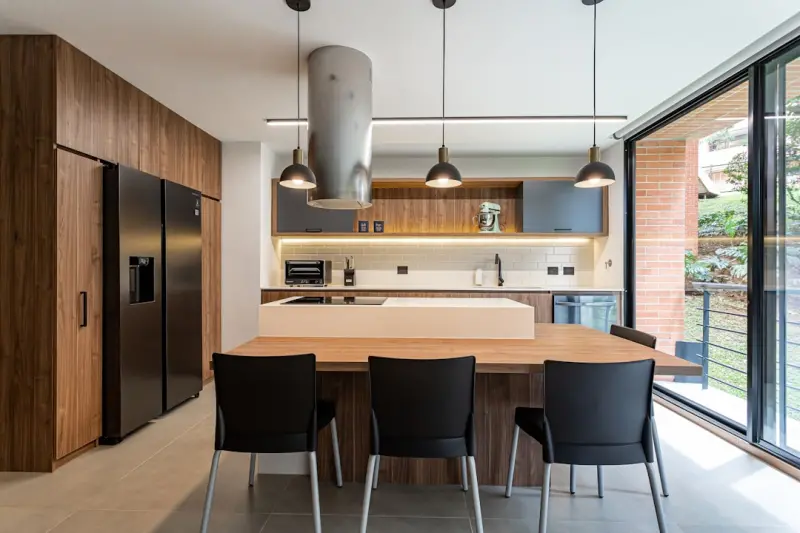
Rethinking Kitchen Renovations: A Multigenerational, Sustainable, and Tech‑Smart Blueprint
I share how to design a kitchen that serves every generation, uses reclaimed materials, hides clutter, and embraces subtle smart upgrades—all while staying bu...Read More
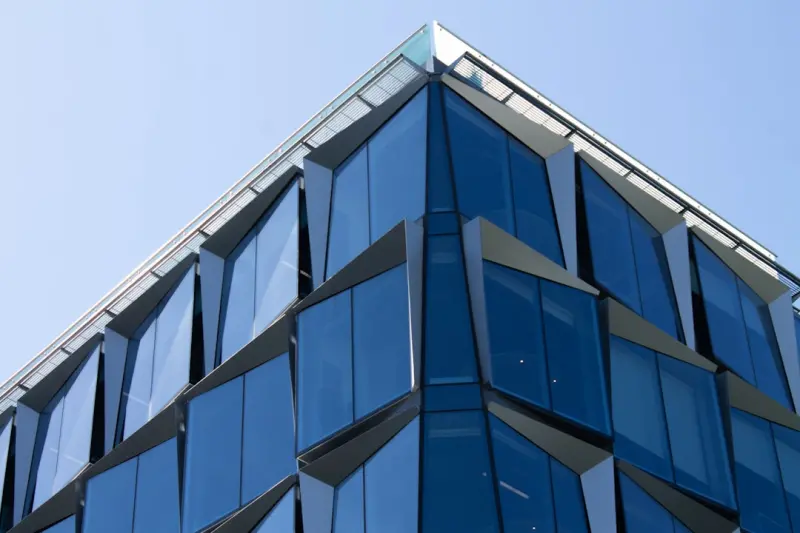
Proactive Façade Maintenance: Leveraging IoT for Smarter Property Care
A sensor‑driven, data‑rich approach to façade upkeep can slash emergency repair costs, boost tenant satisfaction, and extend the life of building envelopes...Read More

The Hidden Benefits of a Proactive Carpet Cleaning Routine
Learn why regular, science‑backed carpet cleaning is essential for health, durability, and cost savings, and how to integrate eco‑friendly methods into your...Read More

Revamping Your Home's Aesthetic: A Comprehensive Guide to Interior Design
Get expert advice on revamping your home's interior with our comprehensive guide to interior design. Learn how to create a beautiful and functional space that r...Read More
0 Comments
Post Comment
You will need to Login or Register to comment on this post!