
Why “Circular Construction” Is the New Blueprint for Smart Home Builders
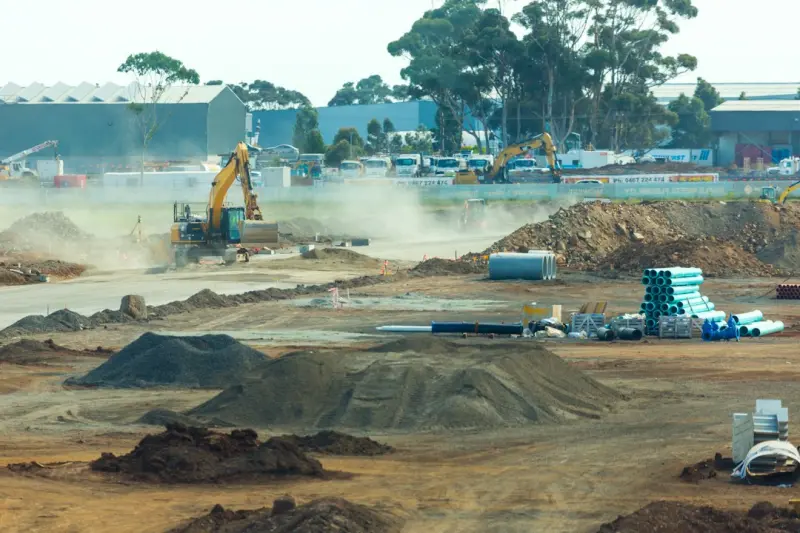
When I first stepped onto a job site as a rookie carpenter, the pile of scrap wood, broken drywall, and leftover concrete felt like inevitable waste. Years later, after managing multiple multi‑family projects and watching the price of raw materials skyrocket, I realized that what we once tossed away is actually a hidden asset. This is the story of circular construction—the intentional practice of keeping materials in use for as long as possible, extracting maximum value before they’re finally retired.
The Real Cost of “Throw‑Away” Building
Most contractors estimate waste at 5‑10% of a project's total material cost. In a typical $500,000 single‑family build, that’s $25,000–$50,000 of avoidable expense. Add disposal fees, hauling, and the environmental toll, and the numbers balloon quickly. But beyond the dollars, the waste narrative hurts a builder’s reputation in an era where homeowners demand greener, more responsible construction.
From Linear to Circular: A Mindset Shift
Traditional construction follows a linear path: extract → fabricate → use → discard. Circular construction flips the last step, turning discard into recover. It’s not a fad; it’s a business model that aligns with the growing demand for sustainable homes and the tightening regulations on landfill use.
- Design for Disassembly – Plan connections that can be undone without damaging components.
- Material Pass‑Through – Source reclaimed or recycled materials that have a documented lifecycle.
- Closed‑Loop Logistics – Implement on‑site segregation to keep streams pure for resale or reuse.
Key Strategies to Embed Circularity on Site
1. Material Reclamation and Reuse
Every piece of lumber, brick, or steel can be catalogued before it hits the dump. I now keep a simple spreadsheet on my tablet that logs:
- Quantity and grade
- Potential secondary use (e.g., framing lumber → decking)
- Condition and required processing
What used to be a pile of “scrap” becomes a catalog of assets. Local salvage yards love this data because it cuts their sorting time, and they often offer a buy‑back price that offsets your material budget.
2. Prefabricated Structural Panels
Prefabrication isn’t new, but its role in circular construction is evolving. Panels manufactured in a controlled factory environment can be engineered from recycled concrete mixes and reclaimed timber. Because the panel dimensions are exact, on‑site waste drops dramatically. Moreover, the panels can be de‑assembled and re‑used in future renovations—think of them as LEGO bricks for your home.
3. Recycled Steel and Metal Reuse
Steel is one of the most recyclable building materials—up to 90% of its embodied energy can be saved when it’s reused. By specifying recycled steel studs and connectors, you reduce raw‑material extraction and often get a material that meets the same structural standards. Partner with a steel mill that offers “closed‑loop” certification, allowing you to showcase a concrete‑free carbon credit on your project marketing sheet.
4. Reclaimed Wood for Aesthetic Value
There’s a growing market for reclaimed barn wood, old pallet boards, and even de‑commissioned shipping containers. Not only do these materials add a unique story to a home, but they also command a premium resale price. I’ve seen clients willing to pay an extra 5% for a kitchen island made from reclaimed pine, because it’s both beautiful and environmentally responsible.
5. On‑Site Waste Segregation Stations
Set up color‑coded bins for wood, metal, drywall, and concrete. Train crews to place each item in the correct bin. The upfront effort pays off: you can sell clean streams directly to recyclers, often at a higher rate than mixed waste. I’ve implemented a “zero‑waste day” each month where the crew audits the bins, records weight, and calculates the cost avoidance.
6. Digital Tracking with BIM and Digital Twins
Modern Building Information Modeling (BIM) software lets you tag every material with a QR code. As it moves through the site, the digital twin updates the inventory in real time. This data feeds directly into waste reports, helping you demonstrate compliance with local sustainability mandates and giving owners a transparent view of material flows.
The Financial Upside: Turning Waste Into Revenue
Let’s run the numbers on a 2,500‑sq‑ft custom home using the strategies above:
- Reclaimed lumber saved: $8,000
- Sellable metal scrap: $2,500
- Prefabricated panel waste reduction: $5,000
- Recycled steel discount: $3,500
- Tax incentives for waste diversion (average 5% of material cost): $6,250
Total net gain: $25,250. That’s a direct boost to profit margins without sacrificing quality or schedule.
Case Study: The “Green Revival” Renovation
A recent client wanted to expand their 1970s ranch home while maintaining a low carbon footprint. We applied a circular approach:
- All existing hardwood floors were sanded and re‑finished, saving $4,200.
- We sourced reclaimed brick from a demolition site two towns away, cutting new brick costs by 30%.
- Prefabricated wall panels made from 50% recycled concrete were installed, reducing on‑site concrete waste by 85%.
- During demolition, we separated copper piping and sold it to a metal recycler, earning $1,800.
The project finished on schedule, stayed under budget by $12,000, and earned a local “Sustainable Builder” award, which the homeowner leveraged to increase the resale value by an estimated 4%.
Implementation Checklist for Builders
Ready to embed circularity in your next build? Use this quick checklist:
- Pre‑construction planning: Identify waste streams and potential reclaimed sources.
- Supplier vetting: Choose vendors that provide recycled or reclaimed materials with certifications.
- On‑site logistics: Install segregation stations and train crew on proper sorting.
- Digital integration: Leverage BIM or digital twin platforms to track material lifecycles.
- Financial tracking: Record savings and revenue from reclaimed and recycled materials for reporting.
- Client communication: Highlight circular strategies in proposals and marketing material to differentiate your service.
Future Outlook: The Circular Construction Marketplace
We’re at the cusp of a marketplace where reclaimed materials are as easy to source as new ones. Online platforms already list surplus lumber, salvaged doors, and even whole prefabricated wall sections ready for pickup. As municipal regulations tighten—many cities now impose landfill caps on construction waste—the incentive to adopt circular practices will only increase.
For builders who act now, circular construction isn’t just an environmental checkbox; it’s a competitive advantage that translates into higher margins, stronger client relationships, and a resilient supply chain less vulnerable to raw‑material price spikes.
Take the First Step Today
If you’re skeptical, start small. Choose one material—say, reclaimed wood—and integrate it into a single room. Track the cost savings and client reaction. Let those results fuel a broader circular strategy. Remember, the biggest projects begin with a single, well‑placed brick.

Craig Brett is a freelancer with a passion for the outdoors. His love for nature inspires his work, bringing authentic and engaging perspectives to projects related to outdoor activities, adventure, and environmental topics.
Related Posts

Quiet Walls, Peaceful Homes: Mastering Acoustic Design in Modern Construction
A deep dive into acoustic-friendly construction, covering wall assemblies, floor decoupling, window ... Read More
Modular Mastery: Reimagining Home Construction for Speed and Sustainability
Modular construction is redefining residential building by offering rapid timelines, lower waste, an... Read More
Designing Homes for Aging‑in‑Place: Future‑Proof Construction
Aging‑in‑place design goes beyond grab bars, embedding flexibility, safety, and technology into ... Read More
Top Posts

Why Trees Need a Tech Upgrade: Proactive Arboriculture in the Digital Age
A deep dive into the emerging tech that empowers arborists to monitor, predict, and act on tree health, turning canopy maintenance into a strategic, data‑driv...Read More
Why Ductless Mini‑Split HVAC Is the Future of Home Comfort
Explore the benefits of ductless mini‑split HVAC: zoned control, easy retrofits, improved air quality, and long‑term savings for a smarter, healthier home....Read More

Redefining Fencing: Sustainable Materials, Smart Design, and Lasting Impact
Discover how to craft a fence that’s more than a barrier—using reclaimed materials, hybrid designs, and smart tech to boost privacy, aesthetics, and durabil...Read More

Smart Budgeting Strategies for a High‑Impact Bathtub Refinishing Project
Discover a data‑driven approach to budgeting bathtub refinishing, uncover hidden costs, and boost your home’s value with smart financing and sustainable coa...Read More
0 Comments
Post Comment
You will need to Login or Register to comment on this post!