
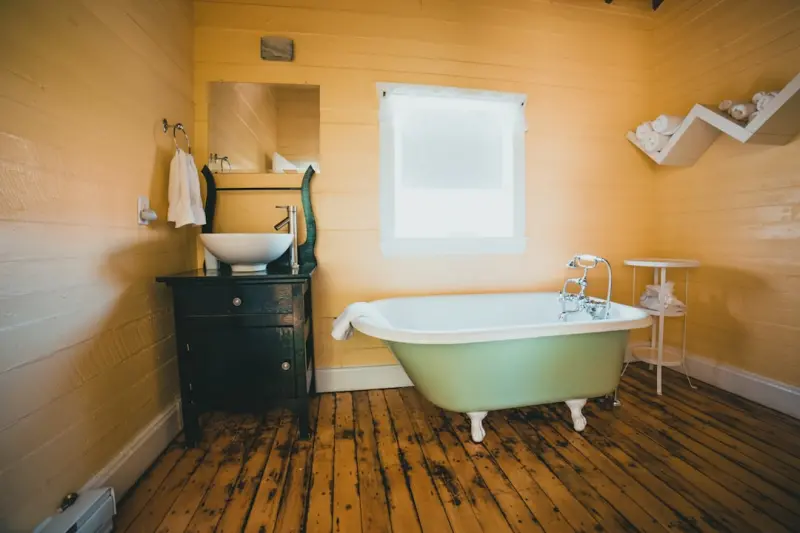
Why Bathtub Refinishing Beats a Full‑Scale Replacement
When homeowners stare at a chipped, stained tub, the impulse is often to order a brand‑new fixture, but refinishing can deliver a showroom finish at a fraction of the cost. A professional coating restores the original dimensions, preserving the existing plumbing layout and avoiding the demolition mess that comes with a swap. In most cases the entire process can be completed within a single weekend, meaning you’re back to soaking in a sparkling surface before the weekend even ends.
The Hidden Environmental Upside of a Fresh Coat
Every time you choose to refinish instead of replace, you’re preventing hundreds of pounds of porcelain, acrylic, and metal from entering a landfill. The coating materials are low‑VOC and engineered to last 10‑15 years, giving the project a small carbon footprint while extending the life of the tub you already own. This sustainability angle not only feels good but also aligns with the growing consumer demand for greener home upgrades.
Understanding the Different Finish Options
Modern refinishing isn’t limited to a single glossy sheen; you can select matte, high‑gloss, or even textured anti‑slip surfaces depending on your safety needs and aesthetic preference. A matte finish can hide minor imperfections, while high‑gloss creates a luxurious, light‑reflective look that can make a small bathroom feel larger. For families with kids or seniors, a lightly textured anti‑slip coating adds confidence without sacrificing style.
DIY vs. Professional: When to Call in the Experts
While a confident DIYer might be tempted to rent a spray gun and tackle the job, the reality is that surface preparation is the make‑or‑break step. Professionals invest in industrial‑grade sanders, degreasers, and curing ovens that ensure the coating adheres perfectly and resists chipping. If you’re uncertain about achieving a flawless finish, consider watching the process in a local workshop; the Handyman Hacks: Building a DIY Workshop guide offers a solid foundation for deciding where to draw the line.
Cost Breakdown: What You’re Actually Paying For
A typical refinishing project runs between $300 and $800, covering labor, surface prep, and high‑quality coating materials. Compare that to the $2,000‑$5,000 price tag of a new tub plus demolition and installation fees, and the savings become unmistakable. Moreover, many contractors will include a limited warranty that covers peeling or discoloration, giving you peace of mind that rivals the guarantee on a brand‑new unit.
Timeline Truths: How Long the Process Really Takes
From the moment the old finish is stripped to the final cure, most professional shops need two to three days of work, plus a 24‑hour curing period before the tub can be used. This schedule fits neatly into a weekend, allowing you to plan other home projects without significant disruption. The key to a smooth timeline is clearing the bathroom of all personal items and ensuring proper ventilation during the curing phase.
Maintenance Tips to Extend the Life of Your Refinished Tub
After the coating has cured, the real secret to longevity lies in gentle cleaning habits. Avoid abrasive scrubbers and harsh chemicals; a soft sponge and a pH‑balanced cleaner keep the surface glossy and resistant to stains. For high‑traffic households, a quick rinse after each use and periodic re‑application of a protective sealant can push the life expectancy well beyond the industry average.
Boosting Resale Value with a Low‑Cost Upgrade
Potential buyers often judge a bathroom by its visual impact, and a pristine refinished tub can dramatically improve first impressions. Real‑estate agents report that homes with a freshly coated bathtub sell faster and can command a modest price premium compared to similar listings with dated fixtures. The upgrade’s ROI is especially compelling when you consider the minimal upfront investment required.
Choosing the Right Contractor: Questions to Ask Before Signing
Before you hand over your bathroom, interview prospective refinishing companies about their prep methods, coating brands, and warranty terms. Request to see a portfolio of recent jobs and ask how they handle ventilation and odor control. A reputable contractor will also provide a clear, written estimate that breaks down labor, materials, and any additional fees, ensuring no surprise costs emerge later.

Paul Gray is a dynamic blogger based in Brampton, where he shares his life with his amazing wife, Sarah. Known for his engaging writing style and relatable insights, Paul has carved out a niche in the blogging world that resonates with readers from all walks of life. When he's not crafting captivating posts, you can find him savoring a cold beer or indulging in the latest blockbuster movie. With a friendly demeanor and a passion for storytelling, Paul brings a unique perspective to his work, making him not just a blogger, but a voice for those who appreciate the simple joys of life.
Related Posts
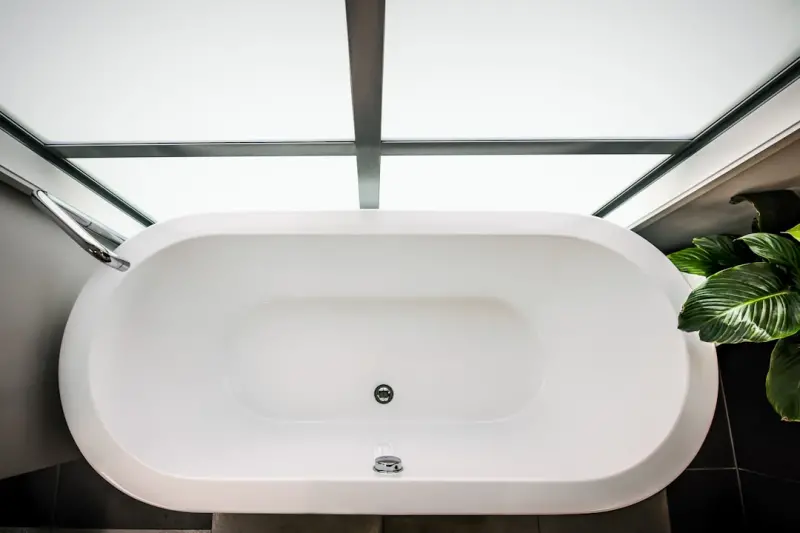
Why Bathtub Refinishing Beats Replacement for Smart Homeowners
Refinishing your tub can be a smarter, greener alternative to costly replacements. Learn the financi... Read More
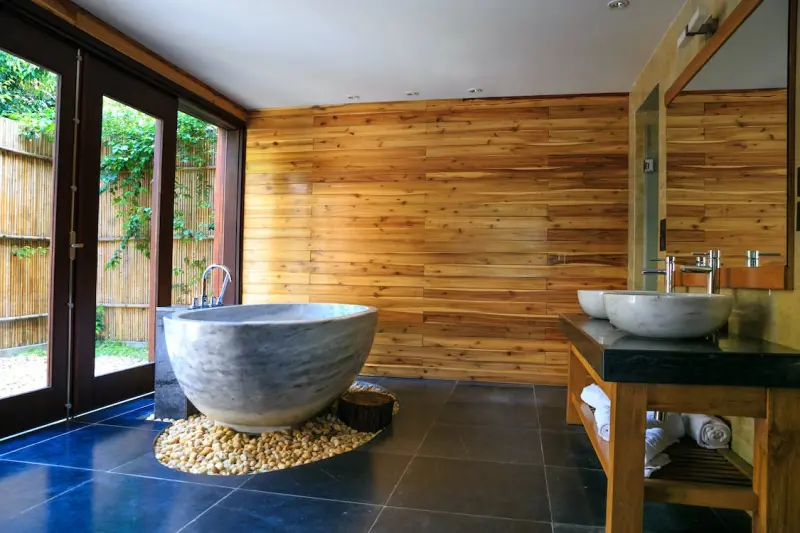
Eco‑Smart Bathtub Refinishing: A Sustainable Makeover for Modern Homes
A sustainable bathtub refinishing guide that reduces energy use, improves safety, and adds resale va... Read More
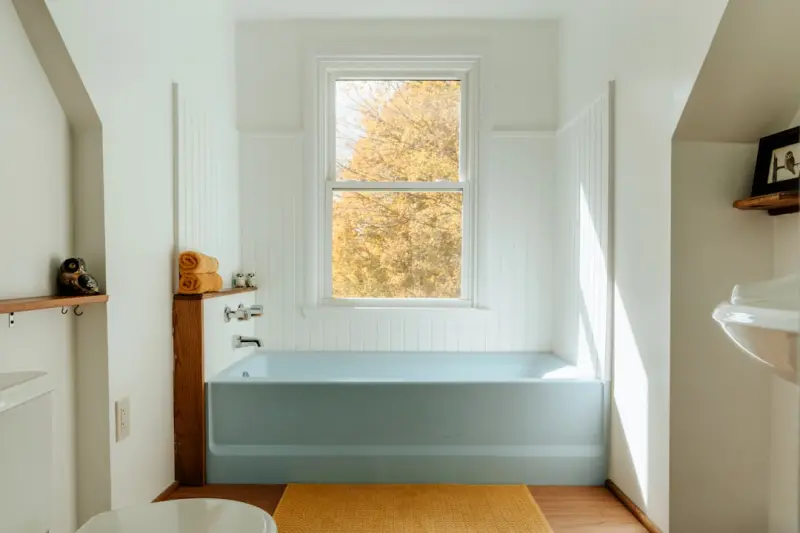
Beyond the Gloss: Crafting Smart, Sustainable Bathrooms with Bathtub Refinishing
Bathtub refinishing is evolving from a quick fix to a platform for design, sustainability, and smart... Read More
Top Posts

Smart Appliance Repair: Turning Breakdowns into Predictive Opportunities
The post explores the shift from reactive fixes to predictive, data‑driven appliance repair, highlighting benefits for homeowners and technicians, real‑worl...Read More

From Garden Border to Personal Canvas: Rethinking Fencing for Modern Living
Explore how to turn a simple fence into a sustainable, smart, and artistic statement that reflects your personality and protects your space....Read More

Foundations for the Future: How Smart Materials and Data Are Redefining the Groundwork
A modern foundation can be more than concrete—it can be a carbon‑reduced, sensor‑enabled, modular platform that predicts settlement, adapts to climate, an...Read More
Texture Tales: Mastering Decorative Plaster for Modern Homes
Explore how texture, proper prep, and creative application turn plaster into a standout feature, offering lasting style and resilience for today’s homes....Read More
0 Comments
Post Comment
You will need to Login or Register to comment on this post!