

Why Acoustic Comfort Deserves a Place in Your Build Blueprint
When we talk about home construction, the conversation often circles around square footage, aesthetics, and resale value, but the soundscape inside a house is an equally vital metric of comfort. A well‑insulated acoustic envelope shields occupants from traffic roar, neighbor chatter, and the sudden clatter of a dropped dish, creating a sanctuary where focus and relaxation can flourish. By prioritizing acoustic performance from the outset, you future‑proof the dwelling against the ever‑increasing noise pollution of modern life.
Rethinking Structural Choices: Beyond Concrete and Steel
Traditional framing materials like steel and concrete excel at strength, yet they often transmit vibrations like an unwanted echo chamber, especially in multistory homes. Introducing lighter, more absorbent building blocks can dramatically reduce sound transmission without compromising structural integrity, opening the door to innovative hybrid systems. Selecting the right material therefore becomes a balancing act between load‑bearing capacity and the subtle art of sound dampening.
Mass Timber: The Green Sound Barrier That’s Gaining Momentum
Mass‑engineered timber, such as cross‑laminated timber (CLT), offers a compelling blend of sustainability, strength, and acoustic absorption, making it a rising star in quiet‑focused construction. The dense, layered nature of CLT panels traps sound waves within their fibers, converting kinetic energy into a barely perceptible heat that dissipates harmlessly. Moreover, sourcing timber from responsibly managed forests reduces carbon footprints, delivering a double win for eco‑conscious homeowners seeking serenity.
Designing Wall Assemblies That Silence the Outside World
Layered wall systems are the cornerstone of acoustic comfort, and their effectiveness hinges on strategic material placement. A typical high‑performance assembly might sandwich a resilient channel between interior drywall and a mass‑loaded barrier, creating a decoupled plane that disrupts vibration pathways. Pairing this with acoustic sealants around penetrations—electrical boxes, plumbing fixtures, and windows—prevents flanking paths that could otherwise betray the quiet interior.
Energy Efficiency Meets Acoustic Excellence Without Compromise
Integrating high‑R‑value insulation and airtight construction naturally enhances acoustic isolation, as dense insulation blankets both temperature fluctuations and airborne sound. Yet the challenge lies in avoiding “thermal bridges” that can become conduits for noise; continuous insulation layers and insulated framing members mitigate this risk. By harmonizing thermal performance with sound attenuation, you craft a home that stays cool, quiet, and energy‑savvy year after year.
Smart Ventilation: Maintaining Air Quality While Preserving Silence
Mechanical ventilation with heat recovery (MVHR) systems keep indoor air fresh without opening windows that could usher in external noise. Selecting units equipped with low‑velocity fans and insulated ducts ensures that the airflow itself does not become a source of acoustic disturbance. Zoning the ventilation—dedicating quiet zones for bedrooms and workspaces—further refines the auditory environment, allowing each area to breathe silently.
Future‑Proof Foundations: Quiet Starts at the Ground Level
Even the most sophisticated wall assemblies can falter if the foundation transmits ground‑borne vibrations from traffic, rail lines, or nearby construction sites. Implementing isolation pads or floating slab techniques creates a decoupled platform that absorbs these low‑frequency tremors before they travel upward. For those seeking deeper insight into resilient footing solutions, the guide Future‑Proof Foundations offers a hands‑on roadmap to building a stable, silent base.
Case Study: A Quiet Cabin Build That Marries Timber and Technology
In a recent project nestled near a bustling highway, a 2,800‑square‑foot cabin employed CLT panels, a staggered stud wall system, and a dedicated acoustic ceiling grid, achieving a sound reduction of over 45 dB compared to neighboring homes. The design team also incorporated a concrete accent wall in the living area, not for structural necessity, but as a decorative element that further dampened resonance. Homeowners report a noticeable shift in daily life—quiet mornings, focused work sessions, and restful evenings—validating the investment in acoustic planning.
Budgeting for Acoustic Excellence: Investing Where It Counts
While high‑performance acoustic solutions can carry a premium, strategic allocation of funds yields the greatest return on comfort. Prioritize sound‑critical zones—bedrooms, home offices, and media rooms—by employing premium wall assemblies and insulated windows, while using more cost‑effective methods in less sensitive spaces. Remember that the long‑term savings from reduced HVAC usage and increased property value often offset the upfront expense, making acoustic upgrades a financially sound decision.
Final Thoughts: Listening to Your Home From the Ground Up
The journey to a quieter, greener home begins with the decision to treat sound as a fundamental design element rather than an afterthought. By embracing mass timber, engineered wall assemblies, and vibration‑isolating foundations, you create a living environment that nurtures both the body and the mind. In the end, a house that hears you back is not just a shelter—it’s a sanctuary that enhances every moment spent within its walls.

Tom Ferguson is a Canadian freelance writer with a passion for storytelling, current events, and thoughtful commentary. Drawing on years of writing experience, he shares engaging insights on a wide range of topics, bringing a uniquely Canadian perspective to his work.
Related Posts

Bringing the Outdoors In: Biophilic Home Construction for Modern Living
This article dives into biophilic home construction, outlining scientific benefits, core design pill... Read More
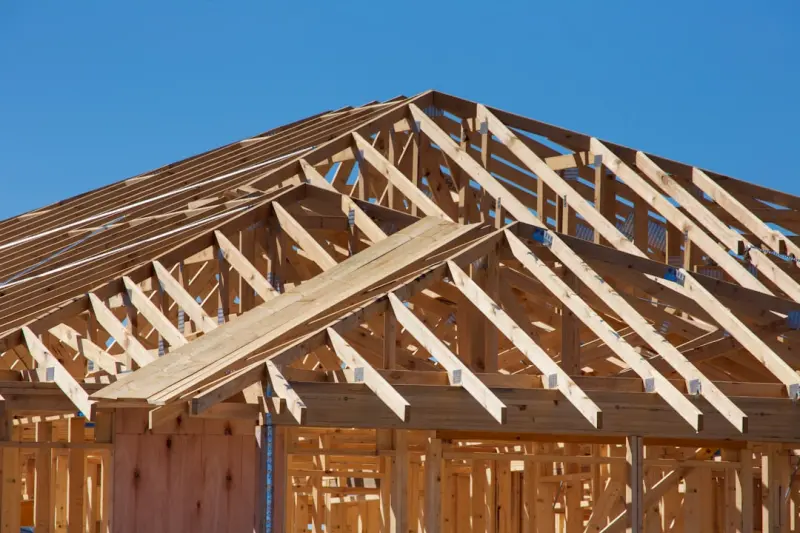
Building Homes That Withstand the Storm: A Practical Guide to Weather‑Resilient Construction
A comprehensive guide outlines foundation elevation, reinforced framing, advanced envelope systems, ... Read More
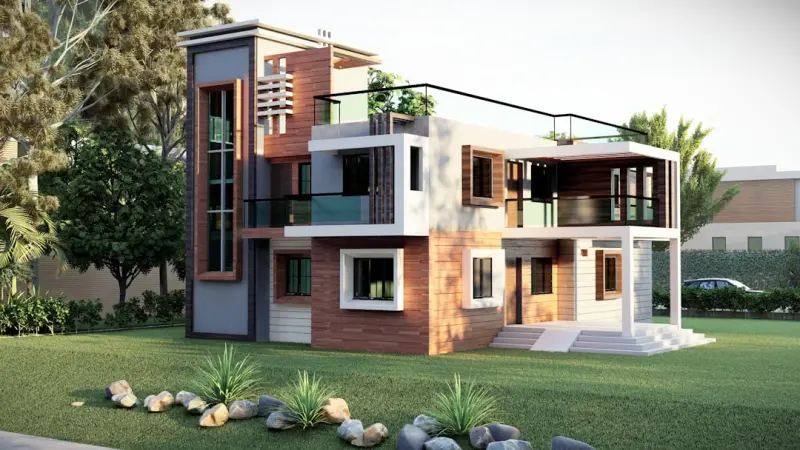
Resilient Home Design: Building for Tomorrow’s Climate Challenges
A deep dive into designing homes that withstand extreme weather, integrate renewable energy storage,... Read More
Top Posts

Restoring Furniture: The Unexpected Catalyst for Workplace Innovation
Restoring old desks and chairs isn’t just a design choice—it’s a powerful cultural lever. Learn how hands‑on furniture makeovers spark collaboration, sh...Read More
Why Your Gutters Need a Sustainable Upgrade
A sustainable gutter system does more than divert water—it protects foundations, harvests rain, and works with smart tech to keep homes dry and eco‑friendly...Read More

Handyman Subscription Service: The Future of Home Care
A subscription model turns sporadic handyman jobs into predictable revenue, offering homeowners peace of mind and proactive maintenance while unlocking new upse...Read More

Seal the Gaps: DIY Insulation Hacks for a More Efficient Home
Learn practical, step‑by‑step DIY insulation projects—from attic blankets to wall gap sealing—that boost comfort, lower energy bills, and make your home...Read More
0 Comments
Post Comment
You will need to Login or Register to comment on this post!