
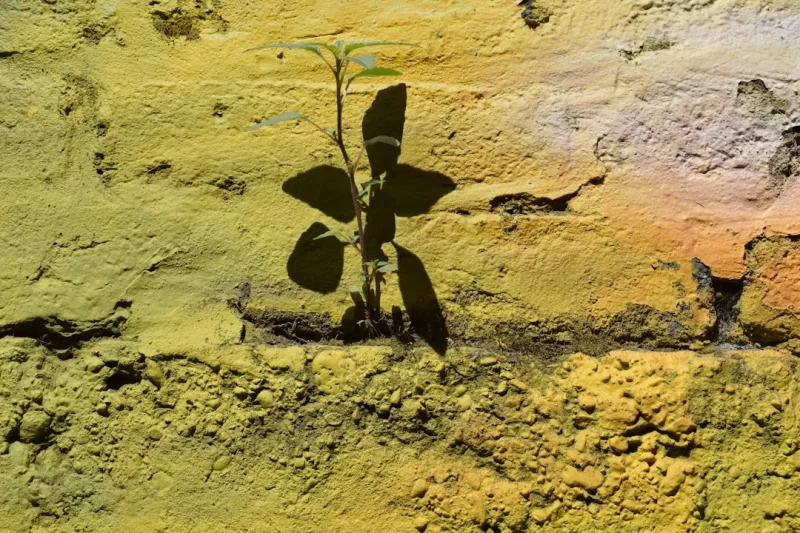
The Green Revolution in Plastering: Sustainable Techniques for a Greener Tomorrow
As a seasoned plasterer, I've witnessed firsthand the evolution of the trade. With the growing emphasis on sustainability, it's exciting to see how our industry is adapting to meet the demands of eco-conscious homeowners. In this article, I'll explore the latest sustainable plastering techniques and materials that are revolutionizing the way we approach home renovations.
The importance of sustainable practices in home design and construction cannot be overstated. As we strive to reduce our carbon footprint, it's essential to consider the environmental impact of every aspect of our homes, from the materials used to the techniques employed. Plastering, a crucial element in many home renovations, is no exception. By adopting sustainable plastering methods, homeowners can significantly reduce their environmental footprint while creating healthier, more energy-efficient living spaces.
Eco-Friendly Plastering Materials
One of the most significant steps towards sustainable plastering is selecting eco-friendly materials. Traditional plastering materials, such as gypsum and cement, have a substantial environmental impact due to their high energy requirements and resource extraction. In contrast, natural materials like lime plaster offer a more sustainable alternative. Lime plaster is made from limestone, a naturally occurring resource that requires less energy to produce than traditional plastering materials. Additionally, lime plaster is highly breathable, allowing for moisture transfer and reducing the risk of mold and mildew growth.
For homeowners looking to incorporate sustainable materials into their home additions, I recommend checking out Embracing Sustainable Home Additions: A Comprehensive Guide for valuable insights and tips.
Sustainable Plastering Techniques
Beyond material selection, sustainable plastering techniques also play a critical role in reducing environmental impact. One such technique is the use of low-waste plastering methods. These methods involve applying plaster in a way that minimizes waste and excess material, reducing the amount of material that ends up in landfills. Another technique gaining popularity is re-plastering, which involves reapplying plaster over existing surfaces rather than stripping them back to the substrate. This approach not only reduces waste but also saves time and labor.
The Benefits of Sustainable Plastering
So, what are the benefits of sustainable plastering? For homeowners, the advantages are numerous. Sustainable plastering techniques and materials can help reduce energy consumption, improve indoor air quality, and increase the overall value of their property. Moreover, sustainable plastering can also contribute to a healthier living environment by reducing the risk of mold and mildew growth. For plasterers like myself, adopting sustainable practices not only enhances our professional reputation but also helps us stay ahead of the curve in an increasingly eco-conscious industry.
In addition to sustainable plastering, other aspects of home design and construction are also crucial in creating eco-friendly living spaces. For instance, sustainable windows and doors play a vital role in reducing energy consumption and improving indoor air quality.
Embracing Sustainable Home Improvements
As a plasterer, I've seen firsthand how sustainable home improvements can transform a property. By incorporating sustainable plastering techniques and materials into their renovation projects, homeowners can significantly enhance the eco-friendliness of their homes. For a comprehensive guide on sustainable home improvements, I recommend checking out Embracing Sustainable Home Improvements: A Comprehensive Guide. This resource provides valuable insights and practical tips for homeowners looking to create a more sustainable living space.
The Future of Sustainable Plastering
As the demand for sustainable practices continues to grow, it's exciting to think about the future of sustainable plastering. Emerging technologies and innovative materials are set to revolutionize the industry, offering even more eco-friendly options for homeowners and plasterers alike. One area of research that's gaining traction is the development of bio-based plastering materials. These materials, made from renewable resources such as plant fibers and agricultural waste, offer a promising alternative to traditional plastering materials.
Conclusion
In conclusion, sustainable plastering techniques and materials are transforming the way we approach home renovations. By adopting eco-friendly practices and materials, homeowners can create healthier, more energy-efficient living spaces while reducing their environmental footprint. As a plasterer, I'm committed to staying at the forefront of sustainable plastering practices, and I encourage homeowners to do the same. Together, we can create a more sustainable future for our homes and our planet.
Call to Action
If you're a homeowner looking to incorporate sustainable plastering techniques into your renovation project, I encourage you to do your research and seek out eco-friendly materials and practices. For plasterers and builders, I recommend exploring sustainable plastering options and staying up-to-date with the latest developments in the industry. By working together, we can create a more sustainable future for our homes and our communities.
Additional Resources
For those interested in learning more about sustainable home design and construction, I recommend checking out the following resources:
- Sustainable Flooring: A Key Component of Eco-Friendly Home Design
- The Importance of Sustainable Gutter Systems in Home Design
- Sustainable Kitchen Renovations: A Guide to Eco-Friendly Cooking Spaces
By exploring these resources and staying informed about sustainable practices, we can work together to create a more eco-friendly future for our homes and our planet.

Craig Brett is a freelancer with a passion for the outdoors. His love for nature inspires his work, bringing authentic and engaging perspectives to projects related to outdoor activities, adventure, and environmental topics.
Related Posts
Plaster Power: Turning Walls into Business Assets
Plaster is no longer just a decorative finish; it’s a strategic asset that can reinforce brand ide... Read More
The Future of Plastering: Embracing Sustainable Practices
The plastering industry is evolving, and sustainable practices are leading the way. Learn about the ... Read More
Sustainable Plastering: A Veteran Contractor’s Green Guide
Learn how to prep, apply, and finish plaster sustainably with insider tips from a seasoned contracto... Read More
Top Posts

Circular Construction: Turning Waste into Profit
General contractors can turn construction waste into a revenue stream by designing for deconstruction, on‑site material looping, and proactive maintenance, cr...Read More

Crafting Competitive Edge: The Rise of Decorative Plaster in Commercial Spaces
Decorative plaster, once reserved for historic monuments, is now a strategic tool for modern businesses. This post explores how bespoke plaster finishes elevate...Read More
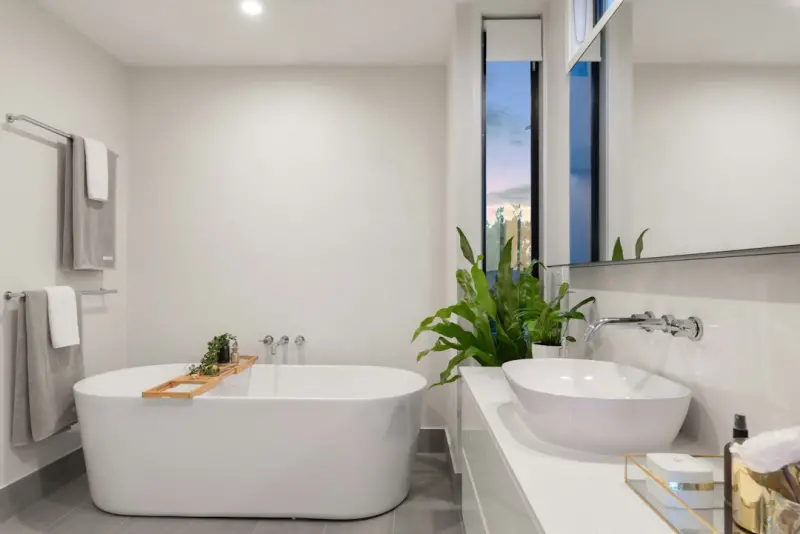
Transforming Bathrooms into Personal Wellness Sanctuaries
Explore a fresh, wellness‑centric approach to bathroom remodels, integrating smart water-saving fixtures, spa‑style features, mood lighting, and universal d...Read More

Charging Forward: Building a Garage That Powers Your Electric Vehicle and Home
Discover how to turn a traditional garage into an electric‑mobility hub with smart charging, solar power, and adaptable design for lasting value....Read More
0 Comments
Post Comment
You will need to Login or Register to comment on this post!