
Why Tree Care Is No Longer About Pruning Alone
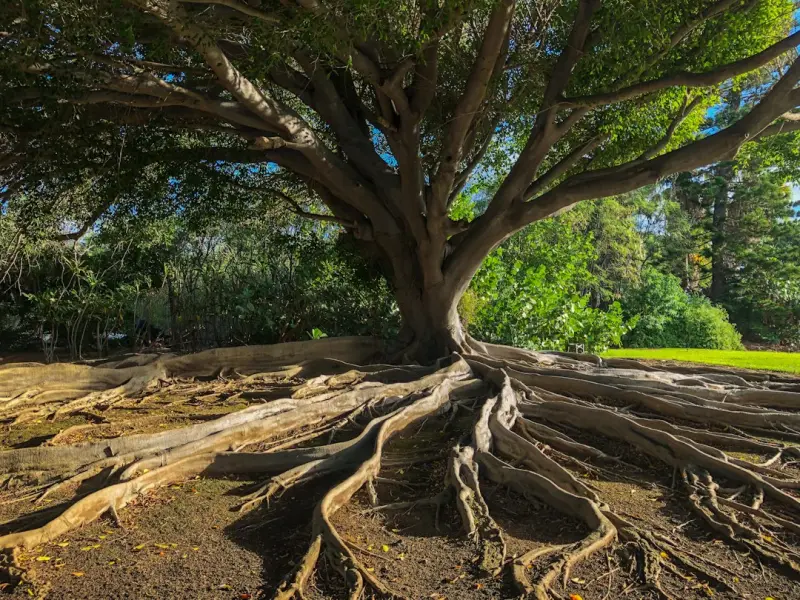
When most homeowners think about tree maintenance, the image that pops up is a pair of loppers and a weekend spent trimming dead branches. That’s a comfortable narrative, but it’s missing the bulk of what keeps a tree thriving for decades. As someone who has spent more than a decade climbing canopies, testing soil, and watching saplings battle city heat, I’ve learned that the real story of tree care lives underground and in the subtle dance of seasonal cues.
The Soil Micro‑World: The Tree’s Secret Ally
Every healthy tree sits atop a bustling metropolis of microorganisms—bacteria, fungi, protozoa, and tiny arthropods. This subterranean community does the heavy lifting for the tree: it breaks down organic matter, mobilizes nutrients, and even helps the tree fend off pathogens. Ignoring this hidden economy is like trying to run a factory without caring about the supply chain.
Here’s how you can start treating soil as a living partner rather than a passive medium:
- Conduct a simple soil respiration test. Dig a shallow hole (about 6‑8 inches), place a piece of fresh leaf litter, and cover it lightly. After a week, check how much the material has broken down. Rapid decomposition means a vibrant microbial community.
- Introduce mycorrhizal inoculants. These fungal partners extend the tree’s root network, dramatically improving water and nutrient uptake, especially phosphorus.
- Reduce chemical interference. Synthetic fertilizers and pesticides can kill beneficial microbes. Opt for slow‑release, organic amendments and target pest control only when thresholds are breached.
When you nurture the soil, you’re essentially giving the tree a stronger foundation to weather drought, pests, and urban stressors.
Seasonal Rhythm: Listening to Nature’s Calendar
Trees have an internal clock that syncs with the seasons. This rhythm dictates when they store carbohydrates, grow new shoots, and shed leaves. Disrupting that rhythm—by pruning at the wrong time or over‑watering during dormancy—can sap a tree’s energy reserves.
Key timing tips for the discerning caretaker:
- Late winter (still dormant) is the optimal window for structural pruning. The tree’s sap is low, wounds heal faster, and the risk of disease entry is minimized.
- Early spring is the ideal moment for soil amendments. As the ground thaws, microbes become active, allowing you to introduce compost or biochar when they can be most effective.
- Mid‑summer is best for water deep‑soaking. Instead of frequent light sprinklings, give the tree a thorough soak once a week to encourage roots to grow deeper.
Urban Heat Islands: Trees as Climate Moderators
In densely built environments, concrete and asphalt trap heat, raising ambient temperatures by several degrees. Trees act as natural air conditioners: they shade surfaces, intercept solar radiation, and release moisture through transpiration. The catch? A stressed tree can’t perform these services efficiently.
To maximize a tree’s cooling power, consider the following strategies:
- Strategic placement of “cool zones.” Plant trees on the sun‑exposed sides of buildings where they can cast shade on windows and walls, reducing cooling loads.
- Mulch aggressively. A 2‑inch layer of organic mulch around the drip line insulates roots from temperature swings and conserves moisture.
- Pair trees with reflective ground covers. Light‑colored gravel or permeable pavers reflect heat upward, preventing the soil from overheating and protecting root health.
Integrating Tree Care with Building Design
While many architects still treat trees as afterthoughts, a growing number of forward‑thinking designers are weaving arboreal considerations directly into the building envelope. This synergy creates spaces that feel alive and reduces long‑term maintenance costs.
One illustrative example is the integration of natural light and living walls that not only beautify interiors but also serve as carbon sinks. By positioning a tree canopy to filter harsh midday sun while allowing diffused light, designers achieve a balance that benefits occupants and the tree alike.
Detecting Early Warning Signs Without High‑Tech Gadgets
Not every arborist has a drone fleet or a sensor array at hand. The good news is that a trained eye can pick up subtle cues that signal trouble long before a crown collapses:
- Leaf discoloration patterns. Uniform yellowing often points to nutrient deficiencies, while interveinal chlorosis (yellow between veins) suggests iron or magnesium shortage.
- Premature leaf drop. If a tree sheds leaves before the typical autumn window, it could be reacting to water stress or root injury.
- Excessive epicormic shoots. These “shoots from the trunk” signal the tree is trying to replace lost foliage, often due to canopy damage or root loss.
Documenting these observations seasonally builds a health baseline. When you notice deviations, you can intervene with targeted actions rather than waiting for a catastrophic failure.
Choosing the Right Tree Species for Site‑Specific Challenges
One of the most powerful preventive measures is to plant the right tree in the right place from the start. Consider these criteria:
- Soil pH and texture. Some species, like oaks, thrive in slightly acidic, well‑drained soils, while maples prefer loamy, neutral conditions.
- Water availability. Drought‑tolerant species such as honeylocust or ginkgo can survive with minimal irrigation, making them ideal for xeric sites.
- Root growth habit. For confined urban lots, select trees with less aggressive root systems—crabapple or Japanese maple—so they won’t interfere with sidewalks or underground utilities.
By aligning species selection with site constraints, you dramatically cut down future pruning, pest management, and structural risk.
Low‑Impact Pruning Techniques That Preserve Tree Integrity
When pruning is necessary, the goal is to remove only what the tree truly needs. The following approach respects the tree’s natural architecture:
- Identify and retain the central leader. This dominant vertical shoot channels the majority of the tree’s growth hormones.
- Make clean cuts just outside the branch collar. The collar contains specialized cells that seal wounds; cutting into it creates entry points for decay.
- Avoid “topping.” Cutting the crown short forces the tree into a frenzy of weak, fast‑growing shoots that are prone to breakage.
- Balance canopy density. Remove crossing or rubbing branches, but keep enough foliage to support photosynthesis and carbohydrate storage.
These steps are simple, yet they have a profound impact on long‑term structural stability.
Water Management: The Unsung Hero of Tree Longevity
Water is the most common limiting factor for urban trees. Over‑watering can suffocate roots, while under‑watering stresses the canopy. The sweet spot lies in deep, infrequent watering that encourages roots to seek out moisture deeper in the soil profile.
Practical guidelines:
- Use a soil moisture probe. Insert a probe 12‑18 inches deep; when the reading reads “dry,” it’s time to water.
- Implement drip irrigation with a timer. Deliver 10‑15 gallons per hour for a 30‑minute cycle during the growing season.
- Capture rainwater. Barrel systems reduce reliance on municipal supply and provide a cooler water source that is less likely to shock roots.
Integrating Tree Care with Sustainable Landscape Practices
Tree health does not exist in a vacuum; it interacts with the broader landscape. By marrying arboriculture with sustainable design, you create a resilient ecosystem that benefits both people and the planet.
Consider these complementary practices:
- Companion planting. Understory shrubs and nitrogen‑fixing legumes enrich the soil and provide habitat for beneficial insects.
- Permeable paving. Allow rainwater to infiltrate, reducing runoff and providing a steady moisture source for roots.
- Compost tea applications. A diluted brew of mature compost delivers microbes directly to the root zone, jump‑starting the soil food web.
When to Call in Professional Arborists
Even the most diligent homeowner can’t address every issue. Knowing when to hand the reins to a certified arborist is a hallmark of responsible stewardship. Look for these red flags:
- Large, open wounds that expose heartwood.
- Signs of structural decay, such as cavities or fungal conks.
- Repeated branch failure despite proper pruning.
- Persistent pest infestations that resist organic controls.
A qualified professional brings tools—like resistograph drills and advanced diagnostic labs—that can assess internal decay without harming the tree.
Future‑Proofing Trees Without the Buzzword “Future”
The ultimate goal is to set trees up for decades of service. While technology will continue to evolve, the core principles remain timeless: respect the soil, honor the seasonal rhythm, and match species to site. By embedding these habits into daily maintenance routines, you create a living legacy that outlives any single project.
For those who love the tactile side of craftsmanship, there’s a beautiful parallel in the way a skilled woodworker treats timber. Just as a hand plane revival emphasizes precision, thoughtful pruning emphasizes precision. Both require patience, observation, and a reverence for the material’s natural tendencies.
Key Takeaways
- Prioritize soil health; a thriving microbiome fuels the tree.
- Align pruning and fertilization with the tree’s seasonal calendar.
- Design landscapes that let trees moderate urban heat while staying healthy.
- Monitor early warning signs with the naked eye—no fancy gadgets required.
- Choose species wisely, water intelligently, and know when to enlist professional help.
When you approach tree care as a holistic practice rather than a checklist of cuts, you’ll find that trees repay you with shade, clean air, and a sense of place that no artificial element can mimic. The next time you step into your yard, pause, listen to the whisper of the leaves, and remember that beneath every branch lies a world waiting for your stewardship.

Tom Ferguson is a Canadian freelance writer with a passion for storytelling, current events, and thoughtful commentary. Drawing on years of writing experience, he shares engaging insights on a wide range of topics, bringing a uniquely Canadian perspective to his work.
Related Posts
The Role of Trees in Sustainable Home Design
Trees play a vital role in sustainable home design, providing benefits like energy efficiency, air q... Read More

Microclimate Mapping for Urban Trees: A DIY Guide to Proactive Care
A practical, data‑driven guide shows property managers and homeowners how to set up inexpensive se... Read More

The Sustainable Tree Care Playbook: Tips from a Veteran Contractor
Learn how to assess, prune, water, and protect trees sustainably, with insider tips from a veteran c... Read More
Top Posts

Flooring as a Hidden Engine for Health, Productivity, and Sustainability
Explore how flooring can enhance indoor health, improve workplace productivity, and support sustainability through antimicrobial finishes, acoustic underlayment...Read More

Foundations for the Future: How Smart Materials and Data Are Redefining the Groundwork
A modern foundation can be more than concrete—it can be a carbon‑reduced, sensor‑enabled, modular platform that predicts settlement, adapts to climate, an...Read More

Sunroom Strategies for the Modern Hybrid Workplace
A deep dive into using sunrooms as flexible, health‑focused work zones that enhance productivity and align with sustainable building practices....Read More

Seeing Beyond the Surface: A Home Inspector’s Guide to Insightful, Human‑Centric Reports
A home inspection isn’t just a checklist; it’s a narrative. Rose DesRochers shares how blending technology, clear communication, and a human‑focused roadm...Read More
0 Comments
Post Comment
You will need to Login or Register to comment on this post!