
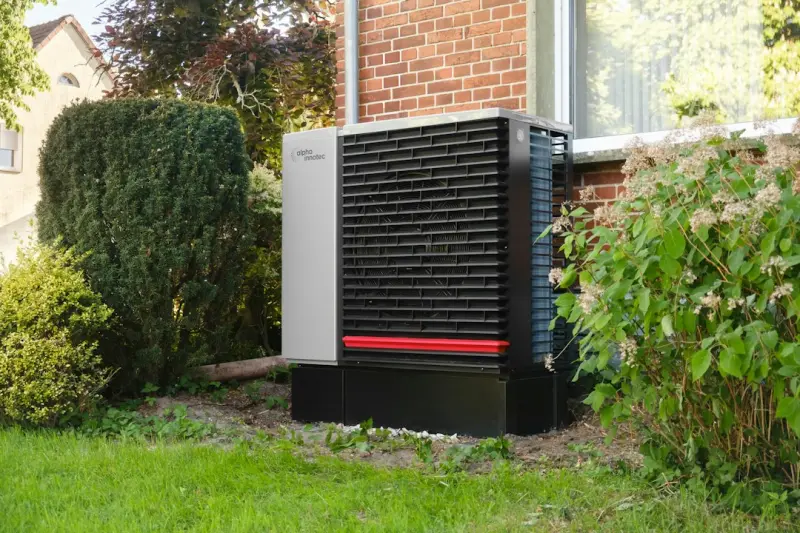
Why the HVAC Industry Is Turning Its Head Toward Hybrid Heat Pumps
When I first stepped onto a construction site with a brand‑new heat pump, I was struck by the quiet confidence of the unit. It hummed, it breathed, and it promised a cleaner, more efficient future for heating and cooling. Yet, as the market matured, I began hearing the same question repeated in boardrooms and trade shows: “Can we rely entirely on renewables for year‑round comfort?” The answer, for most commercial and mid‑size residential projects today, is a cautious “not yet.” That’s where hybrid heat pumps enter the conversation—a technology that marries the low‑carbon promise of renewable‑powered heat pumps with the reliability of traditional gas or electric boilers.
In this article, I’ll walk you through the mechanics, the economics, and the strategic advantages of hybrid systems. You’ll learn why they’re not just a stop‑gap, but a forward‑thinking solution that can future‑proof your building’s climate control while delivering measurable savings.
The Core Idea: Two Engines, One Goal
A hybrid heat pump system pairs a conventional heat pump with a secondary heating source—typically a high‑efficiency gas furnace, electric resistance heater, or even a boiler that runs on bio‑fuel. The heat pump handles the bulk of heating and cooling when outdoor conditions are moderate, while the backup source kicks in when temperatures dip below the heat pump’s “balance point.” This dual‑engine approach ensures:
- Consistent comfort: No more indoor temperature swings during extreme cold snaps.
- Optimized energy use: The system automatically selects the most efficient source for the prevailing conditions.
- Reduced carbon footprint: The heat pump does the heavy lifting for the majority of the year, slashing fossil fuel consumption.
The intelligence that governs this switch‑over is often managed by a sophisticated thermostat that can pull data from weather forecasts, indoor temperature sensors, and even Predictive HVAC strategies. By anticipating demand, the system can pre‑condition spaces and avoid the costly “short‑run” penalties that traditional furnaces incur.
Breaking Down the Technology
At the heart of any hybrid system lies the variable‑speed compressor in the heat pump. Unlike older single‑speed units that toggle between full blast and off, variable‑speed compressors can modulate output in fine increments, matching heat output to real‑time load. This granularity is essential for two reasons:
- Efficiency at low temperatures: Modern heat pumps can extract heat from outdoor air down to the mid‑single digits Fahrenheit, but their COP (coefficient of performance) drops as it gets colder. The secondary heating source fills that gap.
- Seamless integration: Variable‑speed operation means the system can transition smoothly between the heat pump and the backup without audible “click‑clack” that older systems produce.
On the backup side, the choice of fuel matters. Natural gas remains the most common, but many installers are experimenting with hydrogen‑blended gas or renewable‑based electricity for the electric resistance element. The key is to select a source that aligns with the building’s broader sustainability goals.
Economic Benefits: Dollars and Sense
One of the biggest hurdles to adopting new HVAC tech is cost. Hybrid heat pumps are generally more expensive upfront than a single heat pump or a traditional furnace‑only setup. However, the lifecycle cost analysis tells a different story:
- Reduced utility bills: Studies show that hybrid systems can cut heating costs by 30‑40% in mixed climates and up to 60% in milder zones.
- Lower maintenance spend: Because the heat pump handles most of the load, the backup furnace runs far fewer cycles, extending its service life.
- Incentive eligibility: Many local and federal programs now offer rebates for installing heat pumps, and the hybrid configuration often qualifies for additional “efficiency boost” credits.
When you factor in these savings, the payback period frequently lands in the 4‑6 year range—a sweet spot for owners looking to balance short‑term capital expenditure with long‑term ROI.
Environmental Impact: More Than Just Green Talk
Hybrid heat pumps are a pragmatic step toward decarbonizing building HVAC. While a pure electric heat pump fleet would be ideal, the current grid’s carbon intensity varies widely by region. By using the heat pump when renewable generation is high (or when the grid is cleaner) and falling back to low‑carbon backup fuels, you can dramatically reduce emissions without sacrificing comfort.
For example, a commercial office building in the Pacific Northwest that switched to a hybrid system saw a 45% reduction in CO₂e emissions over five years, largely because the heat pump covered 85% of the heating load. In colder northern markets, the same approach can still achieve 20‑30% reductions, a compelling figure for ESG reporting.
Seamless Integration with Existing Infrastructure
Many property owners worry about the disruption of retrofitting a hybrid system. The good news is that hybrid heat pumps are designed to be compatible with most existing ductwork and distribution networks. In many cases, the installation can be completed in two phases:
- Replace the aging furnace with a high‑efficiency backup unit and install the heat pump outdoors.
- Upgrade the thermostat and add any necessary sensors for intelligent control.
Because the heat pump doesn’t require a separate set of ducts, the existing air handling unit can stay in place, preserving the building’s original airflow design. For those interested in holistic comfort solutions, consider pairing the hybrid system with Radiant floor heating solutions in high‑use zones—this layered approach can further reduce the heat pump’s workload.
Real‑World Success Stories
Below are three case studies that illustrate the breadth of hybrid heat pump applications:
- Mid‑size office complex in Denver: The building replaced a 30‑year‑old oil furnace with a hybrid system. Within two years, energy bills dropped 38%, and the landlord qualified for a green building certification.
- Multi‑family housing in Atlanta: A developer installed hybrid heat pumps in each unit, leveraging a central gas boiler as the backup. Tenant satisfaction scores rose by 12 points, and the project earned a local sustainability award.
- University research lab in Boston: The facility required precise temperature control for equipment. By integrating a hybrid system with advanced analytics, the lab maintained +/- 0.5°F stability while cutting heating costs by 45%.
Implementation Checklist: From Planning to Commissioning
Before you dive into a hybrid heat pump project, run through this quick checklist to ensure a smooth rollout:
- Climate analysis: Determine the local balance point where the heat pump’s efficiency declines.
- Load calculation: Accurately size both the heat pump and backup source to avoid oversizing.
- Fuel availability assessment: Confirm that the chosen backup fuel is reliable and aligns with sustainability goals.
- Control strategy design: Select a thermostat that supports weather‑responsive algorithms and can integrate with building management systems.
- Incentive mapping: Identify applicable rebates, tax credits, or utility programs.
- Installation sequencing: Plan for phased implementation to minimize occupant disruption.
- Commissioning & verification: Conduct performance testing across a range of outdoor temperatures to validate the control logic.
The Future of Hybrid HVAC: Toward Full Decarbonization
Hybrid heat pumps are not a dead‑end; they’re a bridge. As the grid becomes greener and renewable storage technologies mature, the reliance on fossil‑fuel backups will diminish. In the next decade, we can expect to see:
- Smart grid integration: Heat pumps that respond to real‑time electricity pricing, shifting load to off‑peak periods.
- Thermal storage pairing: Excess heat from the pump stored in phase‑change materials for later use, reducing backup activation.
- AI‑driven predictive control: Building on concepts from Predictive HVAC, algorithms will forecast weather and occupancy to pre‑condition spaces with near‑zero waste.
When you look at the trajectory, hybrid systems are the pragmatic stepping stone that lets you reap immediate benefits while positioning your assets for a fully electrified, carbon‑neutral future.
Final Thoughts: A Practical Path to Sustainable Comfort
In my years of consulting on building performance, I’ve seen technology cycles come and go. What remains constant is the need for solutions that balance comfort, cost, and climate impact. Hybrid heat pumps deliver on all three fronts. They give you the reliability of a traditional furnace when you need it most, while letting the heat pump do the heavy lifting for the majority of the year. They also open the door—quite literally—to a future where your HVAC system can talk to the grid, store thermal energy, and adapt in real time.
If you’re an owner, facility manager, or designer wrestling with the question of how to upgrade your building’s HVAC without breaking the bank or compromising on sustainability, consider a hybrid heat pump. It’s a solution that acknowledges today’s constraints while boldly stepping toward tomorrow’s possibilities.

William Roy is a freelance writer originally from Montreal who moved to Ottawa with his wife of 50 years to be closer to their grandkids. Alongside his writing, William has a passion for fishing.
Related Posts
The Quiet Revolution: Low‑Noise HVAC Solutions for Healthier Spaces
A deep dive into the emerging low‑noise HVAC trend, exploring technology, design strategies, and r... Read More
Thermal Energy Storage: The Quiet Powerhouse Behind Modern HVAC Efficiency
Thermal energy storage (TES) captures excess cooling or heating when utility rates are low and relea... Read More
Zoning Your Comfort: A Fresh Take on Smart HVAC Strategies
Learn why traditional HVAC falls short and how zoning, smart thermostats, and efficient maintenance ... Read More
Top Posts

Design‑Forward Paving: Aesthetic, Performance, Brand Impact
Modern paving can do more than carry foot traffic; it can enhance aesthetics, regulate temperature, embed subtle lighting, and become a brand statement—all wh...Read More

Closing the Loop: How Circular Design is Transforming Windows & Doors
A deep dive into circular design for windows and doors, covering recycled materials, design for disassembly, take‑back programs, and the measurable benefits f...Read More
Unlocking the Strategic Power of Predictive HVAC Management
A deep dive into turning heating and air‑conditioning systems into strategic assets through predictive maintenance, IAQ integration, and a phased implementati...Read More

Seeing the Future Through the Frame: Modern Window Treatments Redefined
A deep dive into how smart, sustainable, and health‑centric window treatments are reshaping interiors, offering dynamic light control, acoustic benefits, and ...Read More
0 Comments
Post Comment
You will need to Login or Register to comment on this post!