
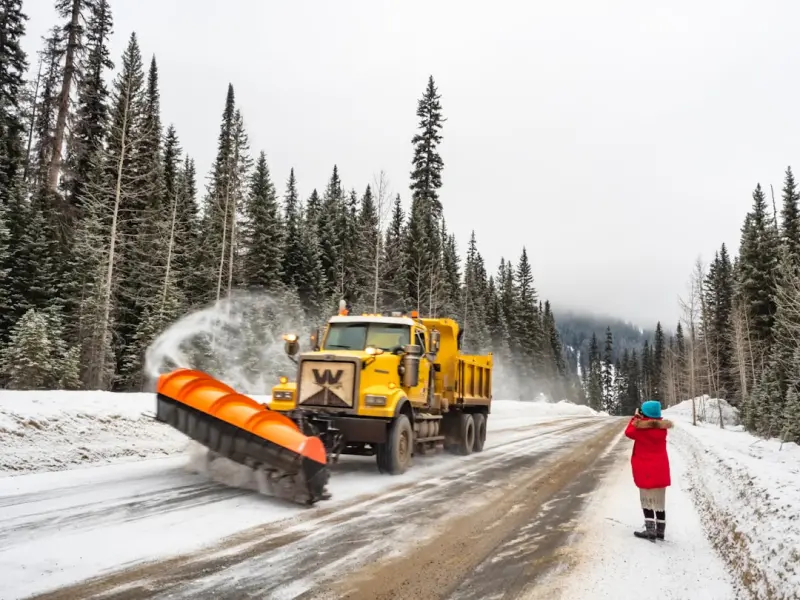
When the first flake lands, most homeowners instinctively reach for a shovel or call a contractor, but the real game‑changer is thinking beyond the individual driveway. A community snow removal network leverages collective buying power, shared equipment, and coordinated schedules to turn a seasonal nuisance into a strategic advantage. By pooling resources, neighborhoods can negotiate bulk rates on de‑icing agents, maintain a fleet of high‑efficiency plows, and ensure that critical pathways stay clear without each resident shouldering the full cost.
At the heart of any successful network is data—real‑time weather alerts, driveway load maps, and usage analytics that guide where and when to deploy assets. Modern IoT sensors can be tucked into streetlights or parking meters, feeding a central dashboard that predicts snowfall intensity and pinpoints high‑traffic zones. This intelligence not only cuts wasted labor but also reduces chemical runoff by targeting de‑icing where it matters most, aligning safety with environmental stewardship.
Financially, the model works like a cooperative: members pay a modest subscription that covers equipment depreciation, fuel, and labor, while the shared ownership spreads risk. Compared to hiring a private contractor per incident, the per‑driveway cost can drop by up to 40 percent, freeing up household budgets for other winter necessities. Moreover, bulk purchases of eco‑friendly brine solutions or reclaimed sand become feasible, further driving down expenses while supporting greener practices.
Building Trust and Participation
Transparency is essential to keep neighbors engaged; a simple online portal shows schedule updates, service logs, and individual contribution statements. When residents see exactly how their fees translate into cleared pathways, satisfaction rises, and participation becomes a civic habit rather than a chore. Regular town‑hall style meetings—virtual or in‑person—provide a forum for feedback, allowing the network to fine‑tune routes, address complaints, and celebrate milestones like “first snow‑free block” achievements.
Inclusivity also matters. By offering tiered membership levels, the network can accommodate renters, seniors, and low‑income households who might otherwise be left out of private snow removal contracts. Grants or municipal subsidies can be earmarked for these vulnerable groups, ensuring that safety isn’t a privilege reserved for the affluent. When everyone feels protected, the community’s overall resilience against icy accidents and property damage skyrockets.
Integrating with Existing Home Infrastructure
Many homes already feature investments that can be leveraged for better snow management, such as heated driveways, permeable pavers, or insulated walkways. Linking these assets to the community’s central system creates a synergistic effect: sensors detect a drop in temperature, trigger the heated slab, and simultaneously alert the network to hold off on chemical treatment in that zone. This coordination maximizes efficiency and prolongs the lifespan of expensive installations.
For neighborhoods still relying on traditional concrete or asphalt, the modern driveway surfaces offer low‑maintenance alternatives that shed snow more readily, reducing the frequency of manual clearing. Pairing such surfaces with a coordinated plowing schedule not only improves aesthetics but also cuts labor hours, delivering a tangible return on the initial material investment.
Environmental and Energy Considerations
Snow removal isn’t just about clearing paths; it’s also about managing the environmental footprint of the process. Over‑application of salt leads to runoff that harms vegetation and contaminates groundwater. A data‑driven network can calibrate exact dosages, applying brine mixtures only where sensors indicate ice formation, thereby preserving local flora and reducing corrosion on vehicles.
Beyond chemicals, the network can explore renewable energy sources for its equipment. Electric plows powered by community‑installed solar arrays, discussed in turning sunlight into everyday value, cut fuel costs and lower emissions. While the upfront investment is higher, the long‑term savings and positive branding for the neighborhood make it an attractive proposition for forward‑thinking homeowners.
In sum, a community snow removal network transforms the seasonal grind into a strategic, cost‑effective, and environmentally responsible system. By harnessing data, shared assets, and inclusive governance, neighborhoods not only stay safer during winter storms but also build stronger social bonds. The ripple effects—reduced expenses, lower chemical usage, and heightened community spirit—prove that collaborative snow management is more than a convenience; it’s a blueprint for resilient living.

David MacKinnon is a dynamic freelance writer known for his captivating storytelling and keen insights into the world of technology. With a passion for exploring the intersection of innovation and everyday life, he crafts engaging narratives that not only inform but also inspire his readers.
Related Posts
The Snow Removal Revolution: A Sustainable Approach to Winter Maintenance
Snow removal can be a real pain, especially when you're trying to live sustainably. Learn how to mak... Read More

How IoT and AI Are Revolutionizing Snow Removal for the Modern Homeowner
Explore a data‑driven approach to snow removal, blending IoT sensors, AI forecasts, and automated ... Read More
The Snow Removal Struggle is Real: Why You Need a Reliable Solution
Snow removal can be a daunting task, but with the right solution, you can ensure your safety and the... Read More
Top Posts

Unearthing Potential: A Paul Gray Guide to Basement Renovations
Transform your unused basement into valuable living space with this expert guide. Learn critical planning steps, structural considerations, design tips, and why...Read More
Beyond Temperature: Harnessing Predictive HVAC for Business Agility
Predictive HVAC shifts climate control from reactive to proactive, using sensors and AI to cut energy costs, improve comfort, and enhance building resilience....Read More

The Handyman’s Blueprint: Turning Routine Fixes Into Recurring Revenue
A practical guide for handymen to transition from reactive repairs to a proactive, subscription‑based maintenance model, boosting revenue, client loyalty, and...Read More

Mold Removal in the Age of Smart Buildings: Proactive, Sustainable Strategies
This article explores how integrating sensors, smart entryways, and zero‑waste remediation transforms mold removal from a costly emergency into a proactive, s...Read More
0 Comments
Post Comment
You will need to Login or Register to comment on this post!